A selection of premium synthetic liquid rubber compounds designed to meet the rigorous demands of chemical modification, automotive component manufacturing, and structural adhesive bonding.
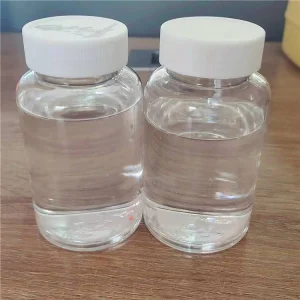
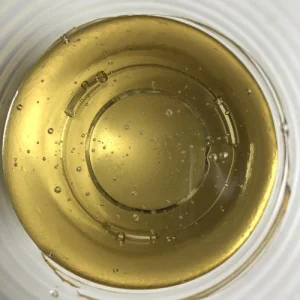
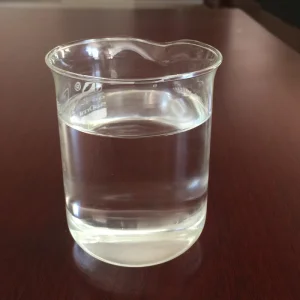
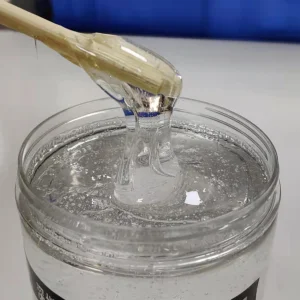
The global specialty liquid rubber market is undergoing a significant shift driven by performance optimization in high-stress environments. Structurally modified liquid rubbers—such as amine-terminated butadiene acrylonitrile (ATBN), carboxyl-terminated butadiene acrylonitrile (CTBN), and hydroxyl-terminated polybutadiene (HTPB)—are transitioning from niche aerospace applications to core industrial sectors. Modern engineering demands materials that deliver exceptional low-temperature flexibility, chemical resistance, and high-impact toughness to epoxy systems and elastomeric components.
Thailand has established itself as a primary industrial hub in Southeast Asia, supported by the Eastern Economic Corridor (EEC) initiative. The country's automotive manufacturing, electronics packaging, marine engineering, and infrastructure construction sectors are driving demand for high-performance polymeric modifiers. Local manufacturing facilities face challenging ambient conditions—including elevated temperatures, high relative humidity, and coastal saline exposure—which accelerate degradation in standard materials. This makes specialized liquid rubbers essential for maintaining product durability and structural integrity.
How specialized liquid rubbers solve unique engineering, environmental, and structural challenges across Thailand's primary industries.
In Thailand's automotive manufacturing hubs, liquid rubbers like LSBR and CTBN are added to structural adhesives, body sealants, and NVH (Noise, Vibration, and Harshness) dampening materials. This modification improves crash resistance and reduces cabin noise under tropical driving conditions.
With the growth of smart electronics production in Pathum Thani and Chonburi, liquid nitrile rubbers (HTBN, ATBN) are used to modify epoxy potting compounds. This lowers the glass transition temperature (Tg) and improves thermal cycling performance, protecting sensitive circuits from moisture and thermal stress.
Thailand's long coastlines and high rainfall demand durable marine coatings and civil waterproofing. Polybutadiene-based liquid rubbers (such as MLPB and HTPB) provide hydrophobic protection, chemical resistance against saline environments, and flexibility to bridge cracks in concrete structures.
Liquid rubbers are low molecular weight, viscous polymers with backbone structures typically composed of polybutadiene or butadiene-acrylonitrile copolymers. Their properties are defined by terminal functional groups, molecular weight distribution, and acrylonitrile content. Reactive terminal groups—such as carboxyl (CTBN), amine (ATBN), hydroxyl (HTBN, HTBS, HTPB), or epoxy groups (EPB)—allow these liquid elastomers to react with host thermosetting resins (like epoxies, polyurethanes, and acrylics) to form a co-continuous phase-separated network.
By controlling the curing process, phase separation forms sub-micron rubbery domains dispersed throughout the rigid epoxy matrix. This mechanism blocks crack propagation and absorbs energy without reducing the modulus or heat distortion temperature of the material.
The acrylonitrile (AN) content in nitrile-based liquid rubbers (CTBN, ATBN, HTBN) determines their compatibility with base epoxy resins. A higher AN content (typically 18% to 26%) increases polar interactions, improving compatibility, solubility, and interfacial adhesion. Lower AN levels promote phase separation, which is useful for specialized low-temperature and NVH damping applications.
| Polymer Type | Key Functional Groups | Primary Modification Mechanism | Key Performance Benefits |
|---|---|---|---|
| CTBN (Carboxyl-Terminated) | Carboxyl (-COOH) | Reacts with epoxy rings during cure | Improves fracture toughness, peel strength, and adhesion to oily metals. |
| ATBN (Amine-Terminated) | Amine (-NH or -NH2) | Direct incorporation into amine curing systems | Improves thermal shock resistance, shear strength, and low-temperature flexibility. |
| EPB (Epoxy Modified) | Epoxy (Oxirane ring) | Co-cures with epoxy resins and hardeners | Increases crosslinking density, chemical resistance, and weathering durability. |
| HTPB / HTBS (Hydroxyl-Terminated) | Hydroxyl (-OH) | Reacts with isocyanates to form polyurethanes | Provides high hydrolytic stability, electrical insulation, and low moisture permeability. |
| MLPB (Maleic Anhydride Grafted) | Maleic Anhydride | Increases polarity and provides reactive anhydride sites | Improves adhesion to metal substrates and compatibility in polymer blends. |
When selecting liquid rubber modifiers for applications in Thailand, engineers must balance local weather conditions against performance requirements. High ambient humidity can affect polyurethanes and moisture-sensitive cure mechanisms. HTPB and HTBS systems provide hydrophobic properties, making them suitable for electronic potting and outdoor insulation. For industrial adhesives, CTBN and ATBN improve peel strength and resist thermal expansion stresses caused by solar heating on metal structures.
Yanxatech System Industries Limited (YANXA) is a supplier of specialty materials based in China. Founded as a small business unit in 2008, YANXA has grown through a focus on international markets in the chemical and mechanical industries. Through consistent development and long-term partnerships, YANXA has established itself as an experienced provider of specialty chemicals and technical services.
In cooperation with chemical manufacturers and research institutes in China, YANXA supplies specialty materials including:
Quality, safety, and efficiency are core priorities in our operations. We work to meet standard product requirements as well as custom specifications for new applications. We follow technical requirements to ensure consistent delivery, and we manage chemical handling in a safe manner to protect human health and the environment.
Technical specifications and chemical properties of our industrial chemical intermediates and metal powders.
Product Characteristics: Formaldehyde is a colorless, reactive liquid that is easily polymerized and soluble in water, alcohol, and ether. It is rapidly oxidized to formic acid in air, acting as a strong reducing agent. Its boiling point is -19°C, freezing point is -118°C, and relative density to air is 1.067.
Commercial Form: Supplied as formalin, a 37-50% aqueous formaldehyde solution containing a small amount of methanol added as a polymerization inhibitor. This solution is milky white, has a strong odor, and vaporizes to release formaldehyde gas. The solution has a boiling point of 96°C, relative density of 0.815 (-20°C), and flash point of 55°C.
Product Overview: Hexamethylenetetramine, also known as hexamine or HMTA, is a white crystalline powder produced by the condensation reaction of formaldehyde and ammonia. It is a versatile organic chemical intermediate used in industrial manufacturing, pharmaceutical synthesis, rubber processing, and analytical chemistry.
Chemical Identification:
• CAS No.: 100-97-0
• Molecular Formula: C₆H₁₂N₄
• Molecular Weight: 140.19 g/mol
Product Features: A white, powdery solid with the characteristic odor of formaldehyde. It is a linear polymer of formaldehyde with no fixed melting point, offering high purity and reactivity for resin production and chemical synthesis.
| Item Specification | Grade A (96%) | Grade B (92%) |
|---|---|---|
| Appearance | White powder/solid | White powder/solid |
| Content | ≥96% | ≥92% |
| Solubility | ≤40 minutes | ≤40 minutes |
| Formic acid | ≤0.05% | ≤0.05% |
| pH Range | 5 - 7 | 5 - 7 |
Product Overview: Manufactured using gas atomization, this powder consists of spherical particles with a uniform alloy composition of aluminum and magnesium. The spherical geometry ensures consistent flowability and packing density.
Applications: Widely used in pyrotechnics, chemical catalysts, metallurgy, and advanced additive manufacturing (3D printing) of lightweight, high-strength structural parts.
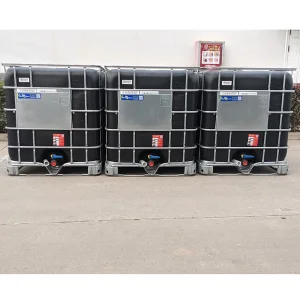
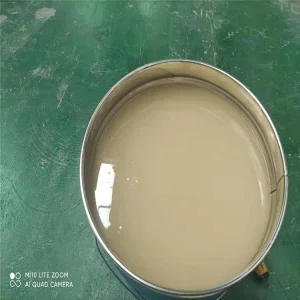
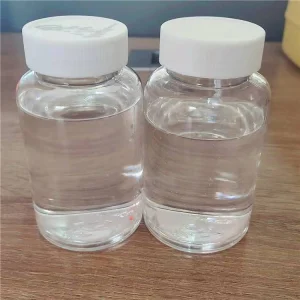
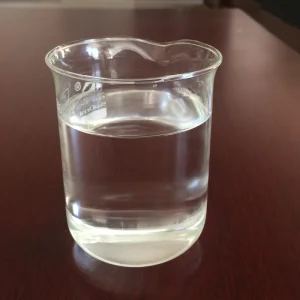
Our complete catalog of liquid rubber resins, copolymers, specialty polyethers, and inert gases for industrial applications serving Thailand and global markets.
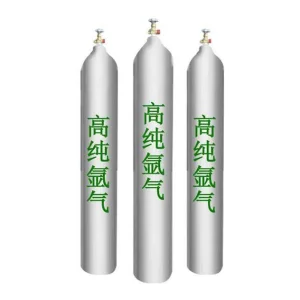
Commercial, technical, and logistical information regarding our industrial chemical supply chain.
 Yanxatech