Direct supply paths sourcing state-of-the-art chemical reagents, specialized metal configurations, and engineering devices.
An Analysis of Chemical Characteristics, Granular Synthesis, Macro Economic Demands, and Regulatory Safety Parameters.
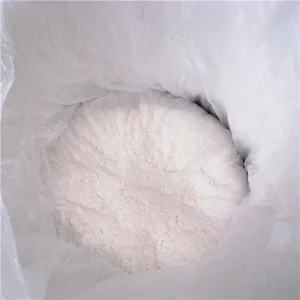
Ammonium Sulphate Nitrate (ASN) represents an innovative breakthroughs in contemporary chemical fertilization technology. Structurally defined as a double salt containing ammonium nitrate and ammonium sulphate, this product is chemically synthesised through the precise co-crystallisation of these constituents, resulting in the molecular formula representation of $a[NH_4NO_3] \cdot b[(NH_4)_2SO_4]$. Unlike mechanical physical mixtures or bulk blends which suffer from phase separation and non-uniform granule distribution, synthesized ASN forms a homogenous molecular structure.
From an agronomic perspective, this double-salt chemistry provides a highly efficient release matrix of vital crop nutrients. The compound offers a total nitrogen content (usually ranging from 26% to 27%) split dynamically between immediate-release nitrate-nitrogen ($NO_3^-$) and slow-release ammonium-nitrogen ($NH_4^+$). Furthermore, it contains a significant proportion of fully soluble sulfate-sulfur ($S$ or $SO_4^{2-}$), typically accounting for 12% to 15% of the total elemental balance. This combination directly combats the "sulfur gap" observed in global soils over recent decades due to reduced industrial sulfur emissions and clean air regulations.
| Chemical Attribute | Standard ASN Specifications | Agronomic Functionality |
|---|---|---|
| Total Nitrogen (N) | 26% - 27% | Dual-phase nourishment (Immediate Nitrate + Sustained Ammonium) |
| Nitrate Nitrogen ($NO_3^-$) | approx. 7.5% - 8.5% | Rapid absorption, fast vegetative growth response |
| Ammonium Nitrogen ($NH_4^+$) | approx. 18.5% - 19.5% | Sustained-release, resists leaching loss in soils |
| Sulfate Sulfur (S) | 12% - 15% | Enables protein synthesis and active enzyme activation |
| Moisture Content | < 0.5% (Industrial Grade) | Improves caking resistance and prolonged storage viability |
The manufacture of high-quality Ammonium Sulphate Nitrate requires state-of-the-art chemical crystallization technology. Prominent Chinese manufacturing facilities employ a pressurized neutralization process where gaseous ammonia ($NH_3$) reacts with nitric acid ($HNO_3$) and sulfuric acid ($H_2SO_4$) simultaneously or in consecutive cascading steps. The reaction generates significant exothermic heat which is captured and recycled to dry off remaining moisture levels, keeping energy costs down and minimizing carbon intensity.
Once the neutralization slurry is balanced to stoichiometric parameters, it is fed to crystallization and granulating systems. The crystallization phase must be strictly monitored: cooling rates determine the precise double-salt crystal structure. If the crystallization is poorly controlled, free ammonium nitrate phases can form, significantly increasing the caking potential and explosive sensitivity of the product. The granules are subsequently built up in rotary drums or prilling towers, followed by coating processes where specialty anti-caking oils and inert mineral dust are applied to prevent moisture absorption (hygroscopic action) during maritime transit.
International agricultural procurement systems are moving away from traditional straight nitrogen options. While urea dominates historical bulk shipping, its high volatilization rate in alkaline soils causes up to 40% loss of applied nitrogen. Straight ammonium nitrate (33.5% or 34% N), on the other hand, is subject to severe regulatory restrictions worldwide due to explosion risks. This makes international shipping, port clearance, and storage highly problematic.
ASN solves this global dilemma. The presence of ammonium sulphate in the double-salt structure increases the critical relative humidity threshold and acts as an inherent desensitizing agent, making it safe to transport. Globally, ASN is often categorized as a non-hazardous substance under Class 5.1 oxidizing codes if the ammonium nitrate content remains below specific regulatory ceilings. For procurement directors across Europe, North America, and Latin America, buying high-purity ASN from verified Chinese manufacturers provides a safe, stable, and highly effective product that meets environmental standards.
Yanxatech System Industries Limited (YANXA) has established itself as an essential partner in China's specialty materials supply ecosystem. Founded in 2008, the company has transformed from a localized supplier into a robust international operations partner. Their core competency lies in sourcing and distributing high-performance chemical materials, fine mechanical equipment, and specialized powders for global industrial sectors.
Working in close alignment with China's leading research institutes, YANXA's product portfolio spans liquid rubbers (such as ATBN and CTBN), specialized nitrated elements, and atomized metallic powders. The company emphasizes safety and quality, maintaining strict alignment with ISO standards. Their customer-focused philosophy focuses on quality, safety, and efficiency, providing buyers with tailored solutions for advanced industrial challenges.
Modern precision agriculture requires fertilizers that optimize crop uptake and minimize loss to the environment. The sulfur component in Ammonium Sulphate Nitrate acts as an activator for nitrogen assimilation. Within the plant structure, nitrogen cannot be processed into proteins without sufficient sulfur. Applying ASN ensures a highly balanced Nitrogen-to-Sulfur ratio (typically 2:1), matching the biological needs of crops like oilseed rape, wheat, corn, and potatoes.
In addition to agriculture, industrial sectors use specialized double-salts and nitrates for gas generation systems, explosives manufacturing (under strict controls), and chemical process industries requiring controlled nitrogen-oxygen reactions. Choosing the right particle size distribution (PSD) and moisture profile is crucial for these applications, which is why global buyers rely on China's advanced manufacturing capabilities to meet specific industrial requirements.
The manufacturing process for nitrogen fertilizers is undergoing significant changes to meet net-zero carbon goals. The industry's technical roadmap outlines the main phases of this transition:
Transitioning from coal-based gasification to green hydrogen and renewable energy systems to synthesize the ammonia feedstocks used in ASN production.
Integrating nitrification inhibitors (such as DMPP or DCD) directly into the double-salt structure during crystallization. This delays the biological oxidation of ammonium to nitrate in the soil, reducing nitrous oxide ($N_2O$) emissions and leaching losses.
Using ultra-thin bio-degradable polymer layers to control nutrient release based on soil temperature and moisture, matching crop growth stages perfectly.
Because ASN contains nitrate compounds, it must be handled in accordance with strict safety standards. Standard operating procedures for warehouses and logistics partners include:
Detailed answers regarding purchasing processes, technical specifications, and shipping details.
ASN is a chemically synthesized double-salt crystallite rather than a physical mixture. Physical blends can separate during transport and storage due to differing particle sizes and densities, leading to uneven nutrient distribution. Additionally, the co-crystallized double-salt structure of ASN is chemically more stable and less prone to moisture absorption and caking.
Prices are subject to change depending on raw material costs and market supply factors. Once you contact us with your specifications, we will send an updated price list and quotation based on current market rates.
We require an ongoing minimum order quantity for international orders. For smaller custom volumes, please contact our team to discuss alternative purchasing options or retail channels.
Yes, we provide comprehensive documentation for all shipments, including Certificates of Analysis (CoA), Certificates of Conformance, Insurance Policies, Certificates of Origin, and all necessary export clearance documents.
Sample preparation typically takes about 7 days. Mass production lead times generally range between 20 to 30 days after receipt of deposit payment and final design approval. For tight deadlines, please contact our sales manager to discuss expedited shipping options.
We accept payments via bank transfer, with standard terms of a 30% deposit in advance and the remaining 70% balance paid against the copy of the Bill of Lading (B/L), or through an irrevocable Letter of Credit (L/C) at sight.
We guarantee the quality of our materials and workmanship. If any quality issues arise, our customer service team will work to resolve them and ensure buyer satisfaction.
Yes, we use certified export packaging and follow all safety codes for dangerous goods. We also utilize temperature-controlled systems for heat-sensitive items where required. Non-standard packaging requirements may incur additional fees.
Shipping costs depend on the transport method chosen. Air freight is faster but more expensive, while sea freight is the most cost-effective option for large bulk orders. Exact freight rates are calculated based on weight, volume, and destination port.
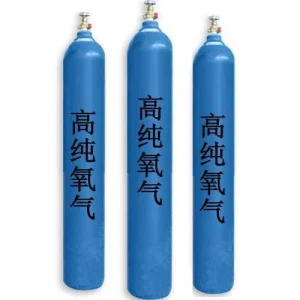
Advanced chemical formulations, liquid polymers, and high-purity inert gas cylinders designed for industrial processes.
 Yanxatech