Founded on a blueprint of safety and innovation in 2008, Yanxatech System Industries Limited (hereinafter referred to as YANXA) has grown systematically into one of China's most reliable and pioneering suppliers in the niche domain of high-performance specialty materials. Initially taking form as a fledgling, focused business unit, YANXA was driven from day one by a core passion: to bridge the gap between premium Chinese chemical manufacturing capabilities and the stringent, high-stakes requirements of the international aerospace, military, and heavy industrial sectors. Through our team’s enduring and persistent development, YANXA has evolved into a multi-tiered engineering and supply organization, offering specialty synthesis, metal powder metallurgy, and advanced liquid rubber formulations.
By establishing robust joint development programs and deep-seated distribution partnerships with leading manufacturers and the most renowned domestic research institutes in China, YANXA is capable of supplying: (1) high-performance liquid rubber (including CTBN, ATBN, and MLPB systems); (2) industrial-grade and specialty nitrates; and (3) atomized metal powders & metal alloyed powders. Our commitment to strict technical adherence and safety validation guarantees that all global shipments meet the regulatory guidelines required by international ports of entry.
Anhydrous hydrazine (N₂H₄), an inorganic compound with a characteristic ammonia-like odor, is a exceptionally powerful reducing agent and rocket monopropellant. Producing anhydrous hydrazine represents a significant chemical engineering challenge because hydrazine hydrate (N₂H₄·H₂O) forms a highly stable, high-boiling azeotrope with water at approximately 68% (by weight) hydrazine content. Standard fractional distillation is physically incapable of breaking this azeotropic barrier, requiring chemical engineers to implement complex chemical drying steps followed by high-vacuum fractionation.
"Azeotropic distillation breaks the thermodynamic equilibrium of the water-hydrazine system. Without advanced column design, temperature controls, and chemical dehydrating entrainers, reaching target purity thresholds above 99.5% remains impossible."
Typically, the process involves mixing hydrazine hydrate with solid sodium hydroxide (NaOH) or calcium oxide (CaO) to absorb the excess water content, producing a dehydrated slurry. Subsequent vacuum distillation is performed inside a column constructed of inert materials (such as high-grade 304 or 316 stainless steel or specific nickel alloys) to prevent catalytic decomposition. The heating profile must be managed meticulously: if hot spots occur, or if trace transition metals are present in the column packing, the anhydrous hydrazine can undergo explosive thermal decomposition. For ultra-pure requirements (above 99.9%), secondary extractive distillation with specialized organic entrainers (such as aniline) is used to draw off the trace water at reduced operating pressures, allowing the pure anhydrous hydrazine to condense safely at the column head.
China's chemical manufacturing sector has undergone a massive transformation, shifting from raw capacity expansion to highly integrated, safe, and environmentally sustainable industrial parks. This evolution gives Chinese distillation facilities an unparalleled advantage in the global specialty chemical market:
Anhydrous hydrazine is the gold standard monopropellant for satellite orbital adjustments, deep space probes, and missile attitude control systems. Decomposed over metal catalysts (such as iridium-coated alumina), it yields hot nitrogen and hydrogen gas, producing reliable, high-impulse thrust in vacuum environments.
In organic chemistry, anhydrous hydrazine is a key building block for heterocyclic compounds. It is widely used to synthesize triazoles, pyrazoles, and hydrazides, which form the active pharmaceutical ingredients (APIs) in tuberculosis treatments, anti-hypertensive drugs, and advanced agricultural fungicides.
At a macro scale, hydrazine functions as a highly efficient oxygen scavenger in industrial high-pressure steam boilers and nuclear water reactor loops. By reacting with dissolved oxygen to form harmless nitrogen and water, it prevents pitting corrosion and iron oxide deposition, extending the lifespan of multimillion-dollar heat exchangers.
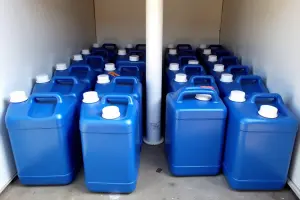
Formaldehyde is a colorless, highly reactive gas supplied as formalin (37-50% solution stabilized with methanol). Boiling Point: 96°C; Density: 0.815 g/cm³; Flash Point: 55°C. Acts as a key precursor in resin and polymers.
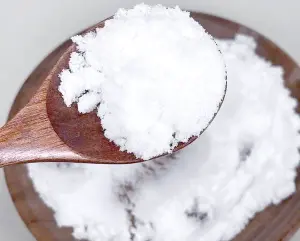
Also known as HMTA (CAS No. 100-97-0, C₆H₁₂N₄). A versatile white crystalline powder synthesized from formaldehyde and ammonia. Crucial for thermosetting plastics, explosive compounds, and rubber processing.
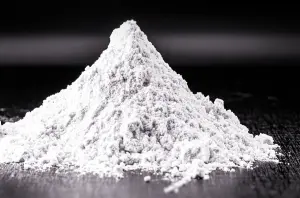
A solid, linear polymer of formaldehyde with a flammable odor. Features ≥96% active formaldehyde content, controlled dissolution rate (≤40 minutes), and low formic acid (≤0.05%). Ideal for agrochemical syntheses.
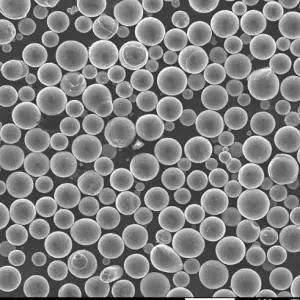
Atomized spherical configuration for energetic propellant and pyrotechnic formulations.
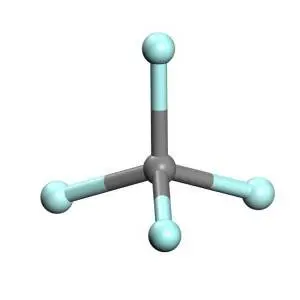
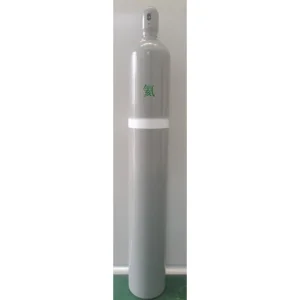
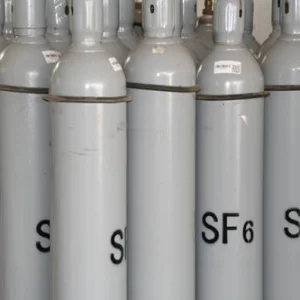
Ultra-high purity gas primarily deployed for semiconductor silicon wafer dry etching.
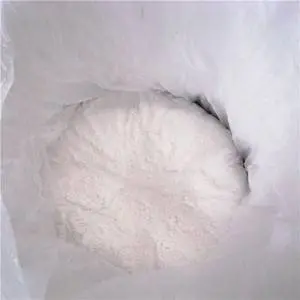
Industrial grade stabilizer and flow agent with precise calcium to phosphorus ratios.
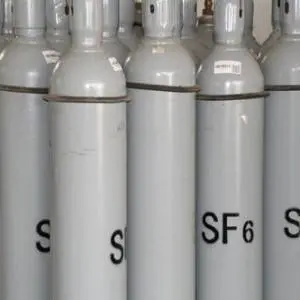
Premium dielectric gas engineered for electrical transformers and switchgear systems.
When acquiring high-purity anhydrous hydrazine, buyers must recognize that pricing is highly sensitive to purification requirements, safety packaging specifications, and supply-demand cycles. A static "one-size-fits-all" pricelist rarely covers the complexity of exporting dangerous chemical agents.
| Hydrazine Grade | Purity Range | Primary Industrial Use Case | Pricelist Factor Indicators |
|---|---|---|---|
| Propellant/Aerospace Grade | ≥ 99.5% - 99.9% | Monopropellant systems, satellite thrusters | High due to custom trace metal controls |
| Synthesis Grade | ≥ 98.0% - 99.0% | Organic intermediates, pharmaceutical APIs | Standard market pricing based on bulk volume |
| Hydrazine Hydrate | 24% - 64% (Azeotrope) | Oxygen scavenging, blowing agent synthesis | Lower cost, standard chemical logistics |
Pricing variations are driven by three main factors:
 Yanxatech