Providing industrial grade, high-purity chemicals and advanced spherical atomized metal matrix solutions globally.
In modern metallurgy, atomized metal powder represents the cornerstone of precision engineering. The technology relies on breaking down molten metal streams into microscopic, highly uniform droplets using high-velocity gas or water jets. This process, known as atomization, produces spherical, semi-spherical, or irregular powders that serve as key raw materials across high-performance sectors such as aerospace, automotive, electronics manufacturing, defense, and healthcare.
The global commercial ecosystem is witnessing a massive transition towards additive manufacturing (3D printing), metal injection molding (MIM), and advanced thermal spray coatings. In these applications, the physical characteristics of the metal powders—specifically particle size distribution (PSD), sphericity, flowability, and chemical purity—determine the mechanical integrity, density, and defect-free profile of the final components.
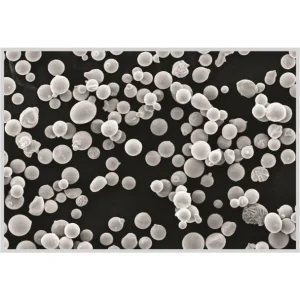
Information Gain Insight: While standard water-atomized powders yield irregular shapes suitable for traditional press-and-sinter powder metallurgy, advanced gas atomization produces highly spherical particles. These spherical geometries ensure superior flowability (measured via Hall Flowmeter) and higher tap density, which are critical for layer-by-layer deposition in Laser Powder Bed Fusion (LPBF) and Electron Beam Melting (EBM).
With the rapid emergence of high-strength alloys, custom aluminum-magnesium blends, and refractory metals, global enterprises demand stringent control over oxygen containment and trace impurities. As a result, the role of experienced processing facilities with integrated vacuum induction melting gas atomization (VIGA) and electrode induction melting gas atomization (EIGA) systems has become central to global supply chains.
ESTABLISHED YEAR
QUALITY ASSURED
FAST SOLUBILITY PEAK
PURITY STANDARD ACCREDITED
To source effectively, international procurement officers must distinguish between the physical properties generated by alternative atomization techniques:
By establishing optimized nozzle dynamics, gas-to-melt ratios, and thermal gradient controls, manufacturers like YANXA can target specific particle fractions (such as 15–45μm for laser-based 3D printing or 45–105μm for electron beam powder beds), reducing waste and optimizing cost structures for high-grade projects.
How high-performance spherical atomized powders drive efficiency in modern manufacturing sectors.
Spherical aluminum-magnesium alloy powders are highly valued for light-weight structural flight components. High sphericity ensures consistent melt rates under laser exposure, reducing microscopic internal voids.
Continuous shift from prototyping to full-scale serialized production of custom engine parts and industrial heat exchangers. Sourcing reliable flowable powder remains a top strategic priority.
Increasing need for atomized silicon-aluminum and nickel-based coatings in hydrogen fuel cells, gas turbines, and next-generation concentrated solar energy collectors.
China's manufacturing ecosystem provides distinctive competitive edges for global industrial material procurement. Beyond raw material volume, Chinese manufacturers leverage deep structural advantages:
Furthermore, modern Chinese exporters align strictly with international quality management frameworks. By complying with ISO 9001 protocols, factories guarantee traceability from the initial raw ingot chemical analysis down to the individual packed container's particle size distribution graph.
Yanxatech System Industries Limited (hereinafter referred to as YANXA) is one of the growing suppliers in the field of specialty materials in China. Starting from a fledgling small business unit in 2008, YANXA is driven with the passion of developing a broad international market in the area relating to chemical and mechanical industries.
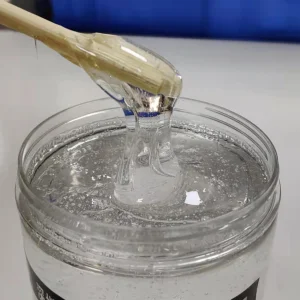
Thanks to our team’s enduring and persistent work and our business partners’ long-lasting support, YANXA has steadily and vigorously grown into one company with excellence in delivering products and services relating to specialty chemicals. Cooperating with leading manufacturers and the renowned research institutes in the field of specialty chemicals in China, YANXA is capable of supplying: 1) liquid rubber; 2) nitrate; 3) metal powder & metal alloyed powders.
Business Philosophy: Quality, safety and efficiency prevail all the values in our business. We care what our customers’ need on the general product as well as their unique and specific requirement for the newly developed application in a timely manner. We adhere strictly to the technical requirement and make delivery in almost perfect conformity. Chemical business exposes more safety concerns than any other industrial sectors. We undertake all activities involving chemicals in a safe way to ensure safety of human health and the environment.
Established: 2008
Specialty: Specialty materials, chemicals & metal powders
Certifications: ISO 9001:2008 Certified Manufacturer
Focus Area: High quality, cost-effective industrial products with strict safety standards.
Detailed physical parameters and industrial specs of our flagship supply range.
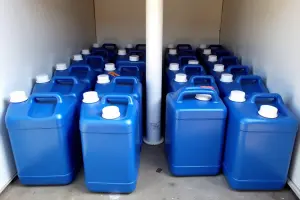
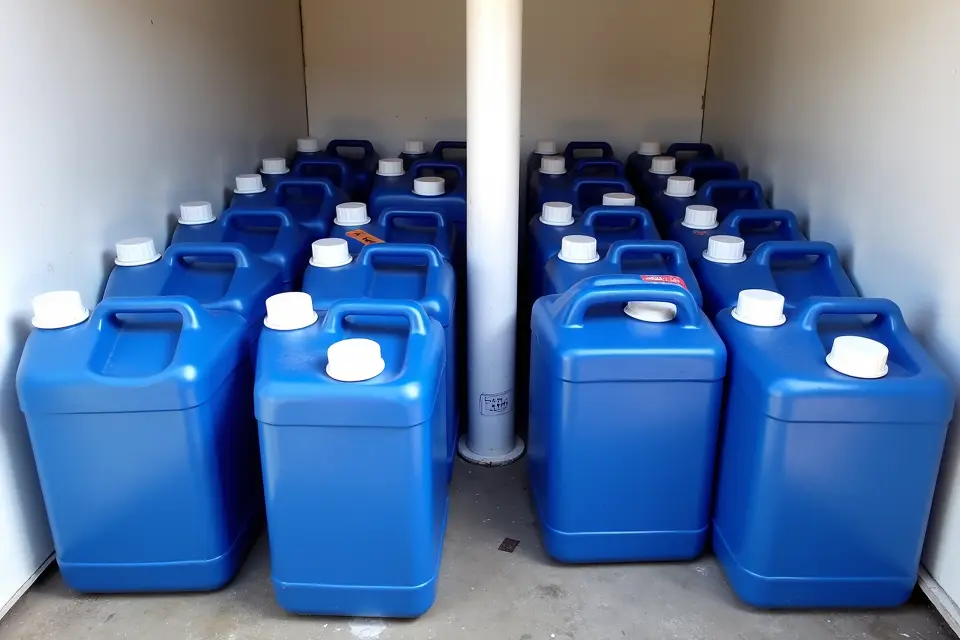
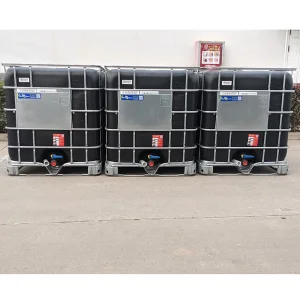
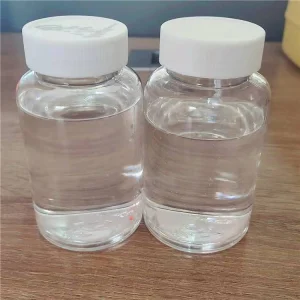
Formaldehyde is a colorless liquid, easily polymerized, and readily soluble in water, alcohol, and ether. It is rapidly oxidized to formic acid in air, acting as a strong reducing agent. Its boiling point is -19℃, freezing point -118℃, and relative density to air is 1.067. Commercially, it is supplied in liquid form as formalin, a 37-50% formaldehyde solution with a small amount of methanol added as a polymerization inhibitor. The solution is milky white and has a foul odor. Formalin readily vaporizes, releasing formaldehyde gas. Its boiling point is 96℃, relative density is 0.815/-20℃, and flash point is 55℃.


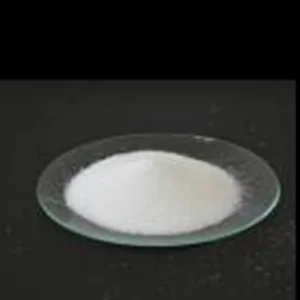
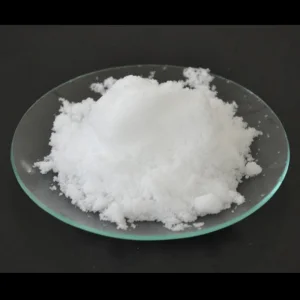
Hexamethylenetetramine, also known as hexamine or HMTA, is a white crystalline powder produced by the condensation reaction of formaldehyde and ammonia. It is a versatile organic chemical intermediate widely used in industrial manufacturing, pharmaceutical synthesis, rubber processing, and analytical chemistry.
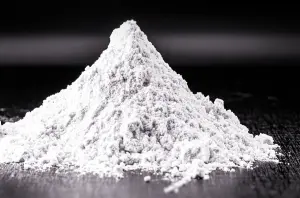
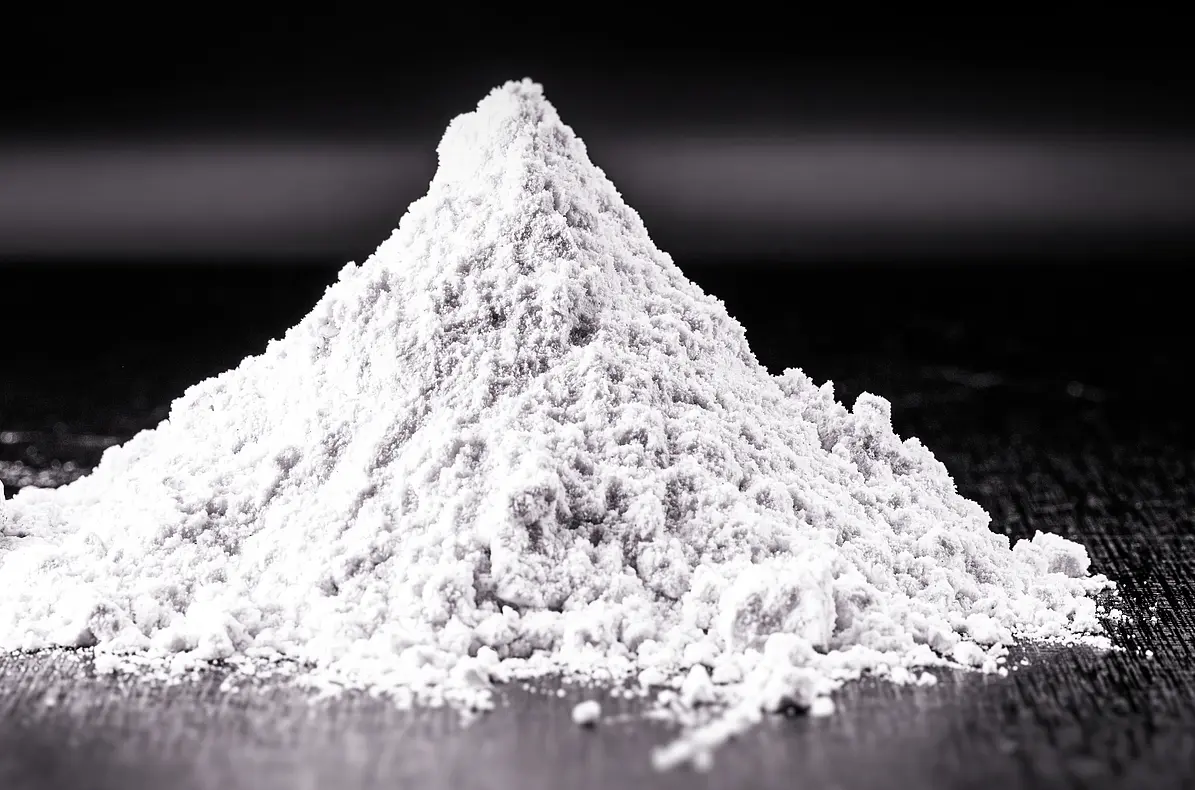

A white powdery solid with a flammable odor of formaldehyde. It is a linear polymer of formaldehyde with no fixed melting point.
| Item Specifications | Specifications (Grade A) | Specifications (Grade B) |
|---|---|---|
| Appearance | White powder/solid | White powder/solid |
| Content | ≥96% | ≥92% |
| Solubility | ≤40 minutes | ≤40 minutes |
| Formic acid | ≤0.05% | ≤0.05% |
| PH | 5-7 | 5-7 |
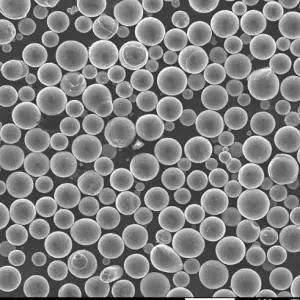
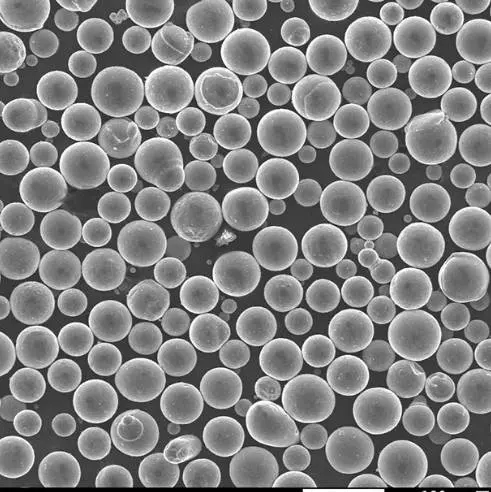
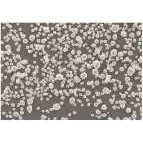
Highly spherical morphology, engineered through state-of-the-art inert gas atomization processes. This powder offers high tap density, minimal satellite particles, and precise particle size distributions. Critically deployed in aerospace structural designs, high-strength lightweight industrial components, additive manufacturing processes (L-PBF/DED), and pyrotechnic application fields where energetic reactive rates are tightly regulated.
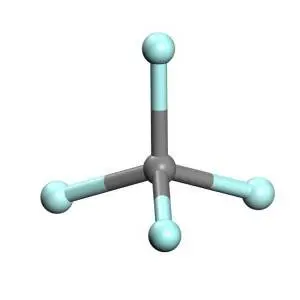
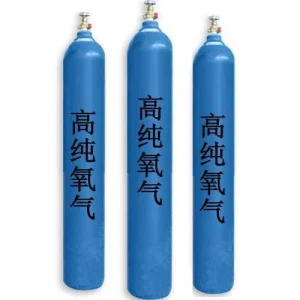
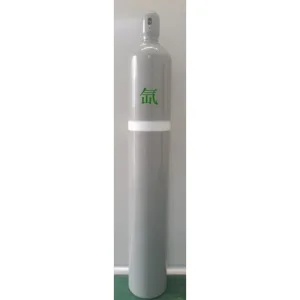
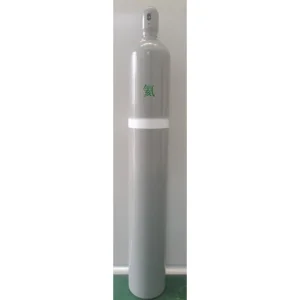
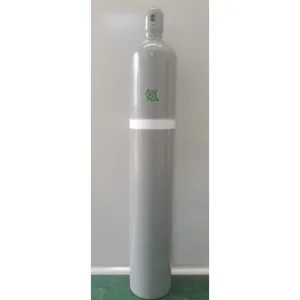
High purity industrial electronic gas utilized in semiconductor etching. Assured stability and premium packaging options.
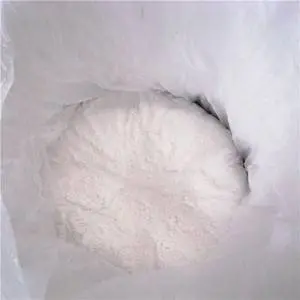
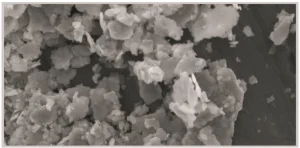
High-grade specialty food and pharmaceutical additive complying with standard global food codes and purity certificates.
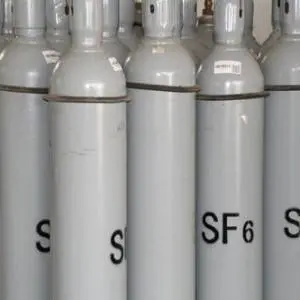
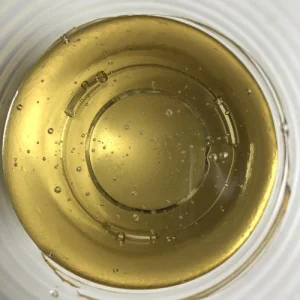
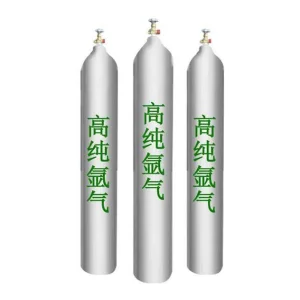
High purity gas widely applied for electrical insulation in GIS switchgear installations and high-voltage transmission lines.
Frequently asked questions concerning business relations, quality validation, and advanced powder metallurgy.
Browse through our expanded inventory of pure gases, specialized nitrates, and advanced copolymer rubber components.
 Yanxatech