Explore our foundational chemical catalog containing specialty industrial gases, advanced rubbers, and specialized functional metallic powders.
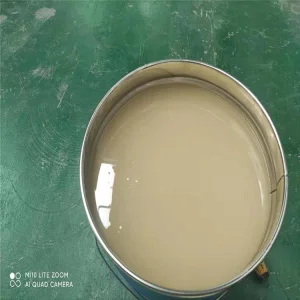
Black Iron Oxide (Magnetite, chemical formula Fe3O4) stands as a foundational inorganic pigment and technological material, widely utilized across heavy industrial manufacturing, high-durability coatings, polymer systems, and electronic applications. Synthesized via controlled oxidation of iron precipitation, high-quality black iron oxide powder requires specialized processing controls to ensure physical phase purity, uniform coloristic performance, and precise mechanical characteristics. As global markets transition toward sustainable raw materials, understanding the supply chain factors, technical classifications, and structural pricing models is critical for institutional sourcing directors.
For modern chemical procurement, finding reliable China Black Iron Oxide Powder Suppliers requires navigating complex grading matrices. The material is classified not only by raw purity (measured in percentage of iron oxide) but also by its particle morphology, dispersibility in oil/water matrices, and particle-size distribution (PSD). From large-scale architectural concrete coloration to highly technical electromagnetic shielding and laser toner formulations, the optimal specification defines performance and total cost of ownership (TCO).
Industrial Black Iron Oxide powder is primarily manufactured using two distinct synthetic chemical pathways. Natural magnetite exist in abundance, but its high mineral impurities and inconsistent crystalline structure limit it to basic applications. For precision industrial manufacturing, synthetic iron oxides dominate the global supply landscape.
1. Precipitation Method (The Direct Oxidation Route): Consists of reacting ferrous sulfate (FeSO4) or ferrous chloride (FeCl2) with an alkaline agent (such as sodium hydroxide or ammonia) under highly monitored temperatures and aeration profiles. Controlled oxidation allows for the precise crystallization of spherical or cubic Fe3O4 particles, offering superior tinting strength and narrow PSD limits.
2. The Laux Process (The Reduction Route): A historic chemical process where nitrobenzene is reduced to aniline using metallic iron in the presence of acid catalysts. This reaction generates high-purity iron oxide black as a functional byproduct. The resulting pigment undergoes rigorous washing, milling, and calcination steps to yield premium-grade black pigment widely favored by the European and North American coatings markets.
| Technical Property | Synthetic Grade Fe₃O₄ | Natural Magnetite Grade |
|---|---|---|
| Fe₃O₄ Content | ≥ 95.0% - 98.0% | 80.0% - 90.0% |
| Particle Structure | Spherical / Cubic (Engineered) | Irregular (Crushed) |
| Tinting Strength | 95% - 105% (Standard Reference) | 50% - 70% |
| pH Value | 5.0 - 8.0 | 7.0 - 9.0 |
| Oil Absorption | 15 - 25 g/100g | 10 - 15 g/100g |
Understanding physical and chemical performance profiles allows procurement agents to match correct grades with localized process parameters.
Founded as a fledgling, specialized business unit in 2008, Yanxatech System Industries Limited (YANXA) has steadily evolved into a premier supply chain partner in the niche chemicals and engineering materials space in China. YANXA's operations are driven by a persistent dedication to expanding global market reach through reliable industrial relationships, technical excellence, and quality assurance processes.
By collaborating with leading national chemical research institutions and state-of-the-art manufacturing plants, YANXA provides optimized sourcing routes for a diverse portfolio of specialty materials, including:
At YANXA, quality, safety, and operational efficiency represent our core institutional values. Chemical operations present distinct environmental, safety, and logistical challenges compared to other manufacturing sectors. We oversee our procurement and transport channels under strict compliance frameworks, aiming to deliver products that align closely with target customer specifications while maintaining protective stewardship over human safety and environmental health.
Technical outlines of our current core chemicals, raw materials, and mineral powders supplied under the YANXA global distribution system.
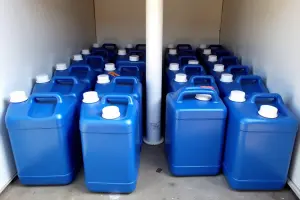
Colorless, easily polymerized liquid soluble in water, alcohol, and ether. Standard commercial forms are supplied as a 37-50% formalin solution with methanol inhibitors. Boiling Point: 96°C. Flash Point: 55°C.
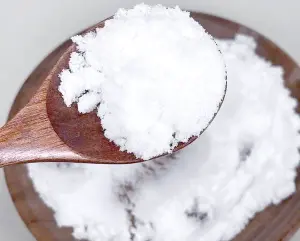
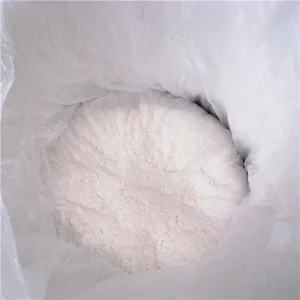
White crystalline powder synthesized from formaldehyde and ammonia (HMTA). Widely used as a curing catalyst in phenolic resins, rubber compounding accelerators, and explosive synthesis. CAS: 100-97-0. MW: 140.19 g/mol.
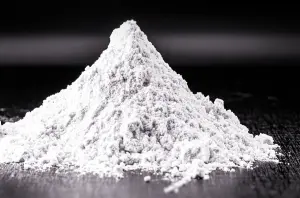
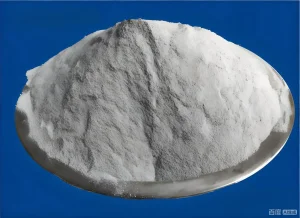
Flammable linear polymer of formaldehyde in white powder solid format. Free-flowing properties with low ash residue. Available in standard 96% and 92% purity grades. Controlled pH range: 5.0 - 7.0.
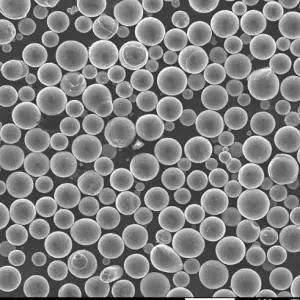
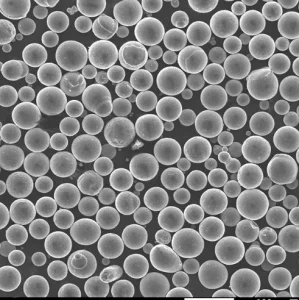
High-purity atomized spherical metallic powder containing precise weight ratios of aluminum and magnesium. Essential for reactive energetics, advanced structural alloys, and pyrotechnic formulations.
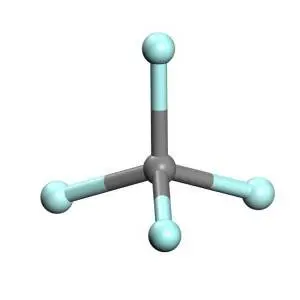
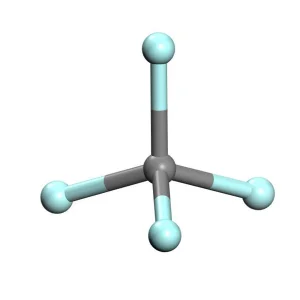
Electronic-grade halocarbon gas utilized in plasma etching, semiconductor fabrication, and high-voltage circuit insulation processes. Packaged under certified ultra-high-purity (UHP) requirements.
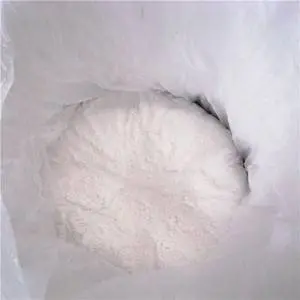
High-purity calcium salt of phosphoric acid. Widely used as an anti-caking agent in food processing, nutritional supplements, mineral animal feeds, and industrial ceramic applications.
For purchasing departments constructing quarterly budgets, referencing a fixed static price sheet is rarely practical due to the market volatility of raw chemical materials. A reliable Black Iron Oxide Pricelist depends on several primary raw material and process variables:
The cost of scrap iron, steel pickling liquors (ferrous chloride), and industrial bases (sodium hydroxide) directly correlates with the price per metric ton of synthetic Fe3O4.
Synthetic precipitation methods require substantial electrical and thermal energy to maintain slurry temperatures and power drying/calcining kilns.
In China, environmental standards dictate strict wastewater treatment controls. Supply factories operating clean-loop recycling processes maintain stable output but build these treatment costs into base pricing.
Typically, standard bulk concrete-grade black iron oxide ranges from $800 to $1,300 USD per Metric Ton (FOB China Port). Specialty grades (coatings, plastics, or electronic-grade purities) command premiums based on the technical process steps required, often ranging from $1,800 to $3,500+ USD per Metric Ton.
Essential sourcing guidance, chemical documentation details, and payment protocols for international purchasers.
Explore our secondary catalog of functional compounds, liquid rubbers, and critical industrial intermediates.
 Yanxatech