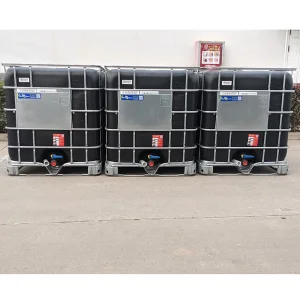

In the landscape of modern chemical synthesis, the production of inorganic salts such as Copper Nitrate [Cu(NO₃)₂] and Silver Nitrate [AgNO₃] forms the backbone of critical industrial processes. These compounds serve as fundamental precursors across diverse applications, ranging from catalyst formulation in organic synthesis, electroplating, and mirror manufacturing, to high-end electronics and metallurgical processing.
Under the direction of YANXA (Yanxatech System Industries Limited), established in 2008, the supply of specialty chemicals from China has reached global maturity. Navigating this sector requires a profound understanding of not only chemical synthesis but also the strict logistical, environmental, and quality criteria defined by international regulatory authorities. This document analyzes the technological profiles, factory advantages, and compliance standards governing the distribution of industrial nitrates.
Minimum Purity Grade
9001:2008 Standard
Establishment Year
GHS Compliant
For enterprise procurement teams, understanding the fundamental chemical behavior and precise specification limits of these materials is crucial. Below, we compare the primary industrial characteristics of copper nitrate variants (predominantly the trihydrate and hemipentahydrate forms) and silver nitrate.
| Chemical Property | Copper Nitrate Trihydrate [Cu(NO₃)₂·3H₂O] | Silver Nitrate [AgNO₃] |
|---|---|---|
| CAS Number | 10031-43-3 | 7761-88-8 |
| Molecular Weight | 241.60 g/mol | 169.87 g/mol |
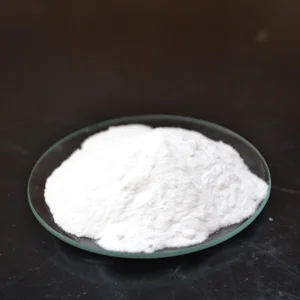
| Physical State | Blue, hygroscopic crystalline solid | Colorless or white odorless crystalline solid |
| Melting Point | 114 °C (decomposes) | 212 °C (decomposes at 440 °C) |
| Primary Applications | Catalysts, pyrotechnics, textile dyeing, electroplating | Mirror manufacture, organic synthesis, photo film, electronics |
The pairing of "Copper Plus Silver Nitrate" is not merely a combination of catalog items; it represents a primary displacement reaction widely taught in chemistry and utilized in metallurgical recovery processes:
Cu(s) + 2AgNO₃(aq) → Cu(NO₃)₂(aq) + 2Ag(s)
This reaction represents a key mechanism for industrial metal refining and recovery, particularly in recovering high-purity metallic silver from industrial silver nitrate wastes. By utilizing high-quality copper metal as the reducing agent, manufacturing plants can deposit silver crystals while generating copper nitrate as a valuable byproduct, creating a circular resource economy.
China's chemical manufacturers provide unique supply chain efficiencies that global buyers depend on. Key structural benefits of sourcing your raw chemical materials through YANXA’s partner factories include:
Our strategic factories are situated near major smelting and refining complexes, ensuring a continuous supply of copper cathode and pure silver bullion. This structural integration insulates production schedules from global raw material volatility and guarantees consistent batch-to-batch product availability.
To achieve high-purity electronic or reagent-grade status (99.9% to 99.999%), crystallizers utilize continuous vacuum evaporation technologies coupled with multi-stage recrystallization lines, ensuring heavy metal and halide impurities remain within tight ppm ranges.
Chemical manufacturing carries significant environmental and human hazard risks. Our production sites operate under strict national environmental policies and maintain up-to-date ISO 9001:2008 certifications. Sustainable practices include closed-loop water treatment facilities that recycle acidic effluents, neutralizing nitrous oxide (NOx) gases released during dissolution before discharge, and using GHS-compliant packaging for international trade.
To preserve the full breadth of the YANXA supply capability, we outline the exact parameters of key specialty chemicals within our scope of operations. This technical inventory addresses the diverse requirements of industrial partners:
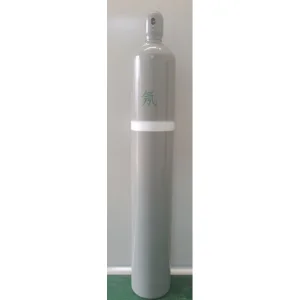
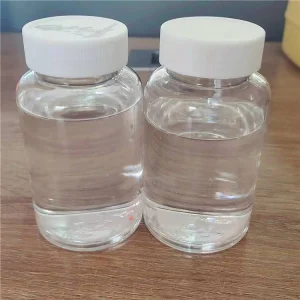
Product Characteristics: Formaldehyde is a colorless liquid, easily polymerized, and readily soluble in water, alcohol, and ether. It is rapidly oxidized to formic acid in air, acting as a strong reducing agent. Its boiling point is -19°C, freezing point -118°C, and relative density to air is 1.067. Commercially, it is supplied in liquid form as formalin, a 37-50% formaldehyde solution with a small amount of methanol added as a polymerization inhibitor. The solution is milky white and has a pungent odor. Formalin readily vaporizes, releasing formaldehyde gas. Its boiling point is 96°C, relative density is 0.815/-20°C, and flash point is 55°C.
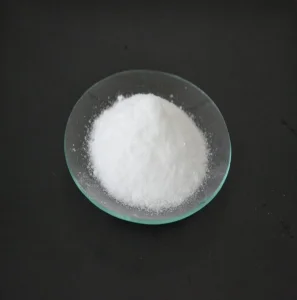
Product Overview: Hexamethylenetetramine, also known as hexamine or HMTA, is a white crystalline powder produced by the condensation reaction of formaldehyde and ammonia. It is a versatile organic chemical intermediate widely used in industrial manufacturing, pharmaceutical synthesis, rubber processing, and analytical chemistry.
Product Features: A white powdery solid with a flammable odor of formaldehyde. It is a linear polymer of formaldehyde with no fixed melting point.
| Item / Specification | Standard Specification (96%) | Standard Specification (92%) |
|---|---|---|
| Appearance | White powder/solid | White powder/solid |
| Content (%) | ≥ 96.0% | ≥ 92.0% |
| Solubility Time | ≤ 40 minutes | ≤ 40 minutes |
| Formic Acid | ≤ 0.05% | ≤ 0.05% |
| pH Range | 5.0 - 7.0 | 5.0 - 7.0 |
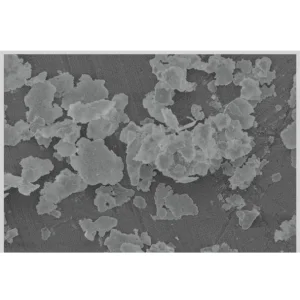
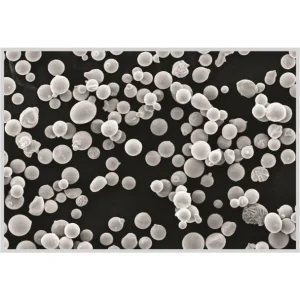
This high-specification powder is optimized for applications requiring high thermal conductivity, corrosion resistance, and precise particle sizes. Spheroidization via inert gas atomization ensures high density and low oxide coatings, which are critical for aerospace, energetic formulations, and metallurgy.
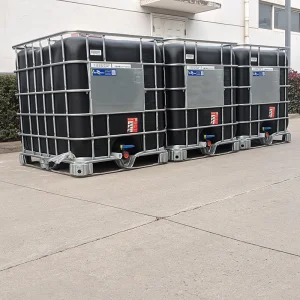
Shipping hazardous chemicals internationally requires a high level of compliance. Both Copper Nitrate (classified under UN 3077/UN 1477 as an environmentally hazardous substance/oxidizing solid) and Silver Nitrate (classified under UN 1493, Class 5.1 Oxidizers) require rigorous shipping controls:
Quality, safety, and efficiency guide every decision in our operations. We understand the specific product requirements of our clients, as well as the unique specifications needed for new applications, delivering solutions in a timely manner. We adhere strictly to technical requirements to ensure precise delivery conformity.
Because chemical distribution involves greater safety considerations than many other industrial sectors, we manage all chemical logistics with strict safety protocols to protect human health and the environment.
 Yanxatech