Explore YANXA's premier range of synthesized liquid rubbers, chemical intermediates, and specialized metal alloy powders certified to global quality standards.
Analyzing the strategic demand shifts, polymer alterations, and chemical modification paradigms defining next-generation industrial structures.
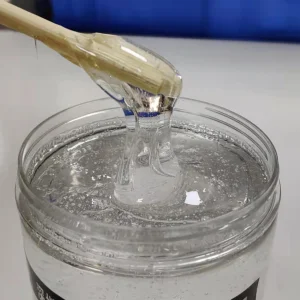
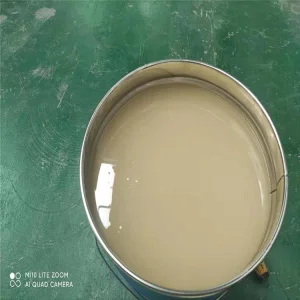
In modern macromolecular engineering, the term "Liquid Flex" refers to reactive liquid elastomers that possess terminal functional groups, allowing them to participate in matrix cross-linking. Historically, industrial polymer systems relied heavily on solid-state elastomers, which required energy-intensive mastication and mechanical dispersion processes. With the emergence of advanced liquid rubbers such as Carboxyl-Terminated Nitrile Butadiene Rubber (CTBN), Amino-Terminated Nitrile Butadiene Rubber (ATBN), and Epoxidized Polybutadiene (EPB), the industrial manufacturing landscape has undergone a profound shift.
These specialized liquid elastomers function as phenomenal toughness modifiers for thermoset resins, particularly epoxy formulations. By dispersing fine-particle rubber phases throughout the rigid epoxy network, Liquid Flex materials restrict crack propagation. This modification substantially enhances impact resistance, peel strength, and thermal fatigue endurance without significantly compromising the glass transition temperature (Tg) of the substrate.
Information Gain: Traditional modification methods often degrade the structural rigidity of polymer matrixes. The introduction of reactive liquid polymers (RLPs) ensures chemical bonding at the molecular interface, providing a 300% increase in shear and peel strength under cryogenic and high-temperature environments.
Global supply chains operate under stringent regulatory and performance environments. Procurement departments across North America, Europe, and the Asia-Pacific region are no longer merely seeking bulk chemical suppliers; they are looking for integrated engineering partners. Key metrics for industrial liquid flex evaluation include molecular weight distribution (MWD), carboxyl or amino functional content, viscosity consistency, and volatile organic compound (VOC) profiles.
At YANXA (Yanxatech System Industries Limited), our production systems align with the ISO 9001:2008 framework. International procurement managers require extensive quality verification portfolios, including Certificates of Analysis (COA), safety data sheets (SDS) complying with GHS standards, and REACH/RoHS declaration statements. Reliable supply partners must demonstrate not only chemical synthesis capability but also batch-to-batch repeatability and transit safety, especially given the strict maritime guidelines governing hazardous and chemical transports.
The Chinese chemical manufacturing landscape is undergoing a digital transformation. By integrating Internet of Things (IoT) sensors, automated reactor controls, and AI-driven quality validation platforms, Chinese manufacturers have reached high levels of yield optimization and cost-efficiency.
This digital integration directly translates to reliable lead times and predictable chemical properties. In an era where global logistics face geopolitical bottlenecks, China's robust industrial ecosystem ensures uninterrupted raw material sourcing, from basic monomer feedstocks to specialized catalysts. YANXA leverages this robust domestic supply network to provide cost-effective yet highly customized chemical formulations to partners worldwide.
Quality, safety, and efficiency prevail over all other values in our business. We recognize that chemical business exposures carry higher risks than other industrial sectors. Consequently, safety in both manufacture and shipment is paramount.
We care deeply about our customers' standard product requirements as well as their unique and specific needs for new industrial applications. We adhere strictly to technical requirements and achieve near-perfect conformity on every delivery. In doing so, we ensure the safety of human health and environmental sustainability during all operational activities.
Technological analysis of molecular structures: CTBN, ATBN, L-XNBR, and Epoxidized liquid polybutadienes.
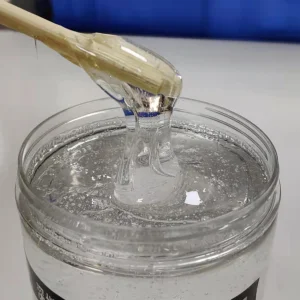
CTBN is the industry standard for epoxy resin toughening. Synthesized via free-radical emulsion polymerization, the terminal carboxyl groups are designed to react directly with oxirane rings during the epoxy cure cycle. This chemical integration creates rubbery micro-domains within the crosslinked matrix. These domains absorb energy under mechanical stress, preventing catastrophic structural failures in structural adhesives, high-performance coatings, and aerospace composite matrixes.
Where CTBN is suited for epoxy systems, ATBN represents the ideal choice for amine-cured epoxy and polyurethane systems. ATBN possesses terminal amine groups (secondary or primary) that react rapidly with isocyanates or epoxy resins. The resulting materials exhibit remarkable elongation characteristics, low-temperature elasticity, and exceptional resistance to petroleum-based solvents, making them critical for offshore oilfield seals, marine adhesives, and automotive protective coatings.
Unlike CTBN, which features carboxyl functionality strictly at the chain ends, L-XNBR contains carboxyl groups randomly distributed along the polymer backbone as well as at the terminal positions. This configuration provides a higher density of polar sites, significantly improving adhesion to metallic substrates, glass fibers, and mineral fillers. L-XNBR is widely utilized in industrial adhesives, high-friction linings, and rubber-to-metal bonding agents.
EPB introduces epoxy reactive sites along the polybutadiene backbone, offering an interesting balance between low-temperature flexibility and high chemical resistance. Similarly, MLPB (Maleic Anhydride Grafted Polybutadiene) utilizes maleic anhydride modifications to introduce carboxylic acid or anhydride functionality. This modification enhances compatibility between polar and non-polar polymers, serving as a highly effective coupling agent in filled rubber compounds and engineering plastic blends.
From deep-sea subsea cables to high-altitude aerospace structures, YANXA materials deliver performance under challenging environments.
In extreme low-temperature environments, traditional elastomers crystallize and crack. YANXA's liquid rubbers remain flexible down to -40°C, maintaining pressure and sealing integrity in aircraft fuel tanks and structural voids.
Modern lightweight vehicles rely on adhesive bonding rather than spot welding. CTBN-toughened epoxies provide the high impact and peel resistance necessary to absorb crash energy and protect structural integrity.
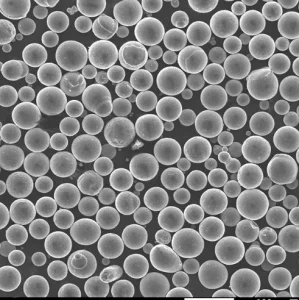
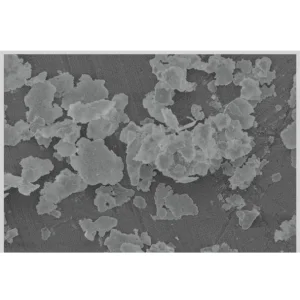
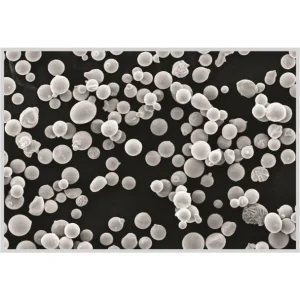
Our specialty atomized alloy powders, including Zn-Al and Al-based spherical powders, are used in thermal spray coatings to protect critical infrastructure, marine vessels, and industrial equipment from galvanic corrosion.
Reviewing the physical properties, chemical classifications, and industrial functions of YANXA's primary chemical products.
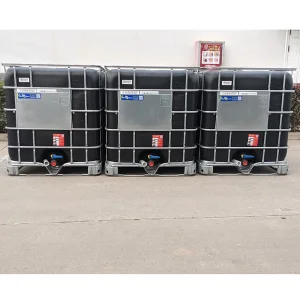
Formaldehyde is a colorless, highly reactive gas that easily polymerizes. It is readily soluble in water, alcohol, and ether. Commercially, it is supplied in liquid form as formalin (typically a 37-50% formaldehyde solution) with a small amount of methanol added as a stabilizer to inhibit polymerization. As a powerful reducing agent, it is a key precursor in the synthesis of polyacetal plastics, phenolic resins, and various specialty chemical intermediates.
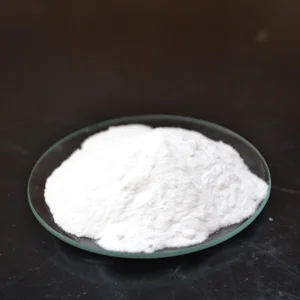
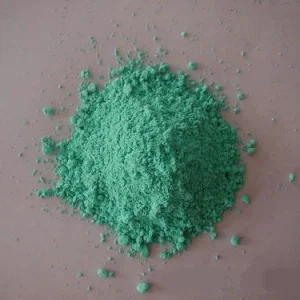
Hexamethylenetetramine, also known as hexamine or HMTA, is a white crystalline powder produced by the condensation reaction of formaldehyde and ammonia. It is a versatile organic chemical intermediate widely used in industrial resin curing, pharmaceutical synthesis, rubber vulcanization, and explosive formulations.
Paraformaldehyde is a solid linear polymer of formaldehyde that releases gaseous formaldehyde when heated. This dry powder form is preferred in polymerization reactions where excess water content must be minimized, such as in the synthesis of phenol, urea, and melamine resins.
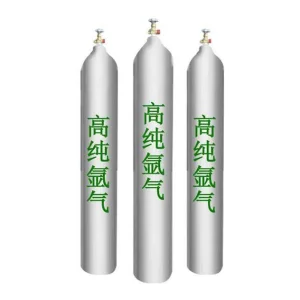
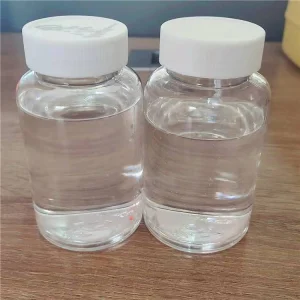
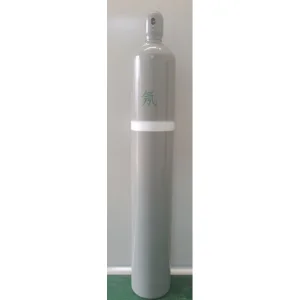
Further specialty rubber modifiers, high-purity industrial gases, nitrates, and advanced alloy powders produced for target applications.
Founded in 2008, YANXA has developed into a reliable Chinese partner for high-purity chemical and mechanical materials.
Yanxatech System Industries Limited (hereinafter referred to as YANXA) is a growing supplier in the field of specialty materials in China. Starting from a fledgling small business unit in 2008, YANXA is driven with the passion of developing a broad international market in the area relating to chemical and mechanical industries. Thanks to our team’s enduring and persistent work and our business partners’ long-lasting support, YANXA has steadily grown into a company with excellence in delivering products and services relating to specialty chemicals.
Cooperating with leading manufacturers and renowned research institutes in the field of specialty chemicals in China, YANXA is capable of supplying:
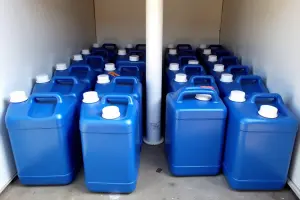
High reactivity chemical precursor.

Hexamine powder for phenolic resin curing.
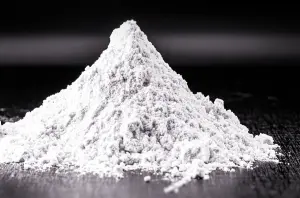
Solid polymer resin precursor.
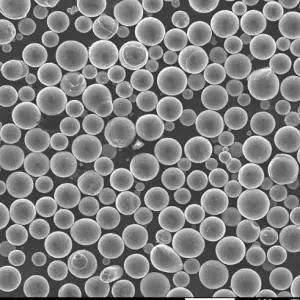
High purity metal alloy powder.
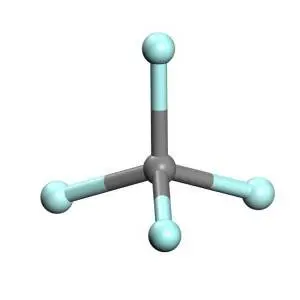
Specialty electronics gas.
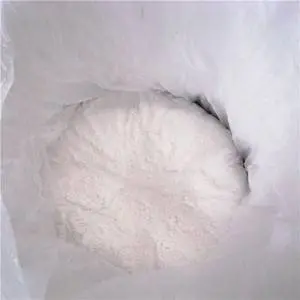
Specialty chemical compound.
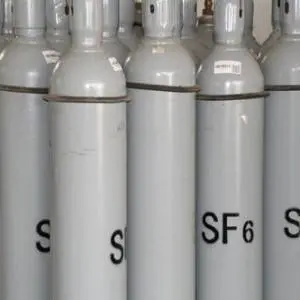
High dielectric insulating gas.

Crystalline raw material.
Get answers to common procurement questions regarding specifications, lead times, warranties, and transport logistics.
 Yanxatech