Explore our premier engineered chemical solutions, featuring advanced polybutadienes, anti-corrosive alloys, and specialty fluorides designed for industrial coatings, waterproofing, and mechanical applications.
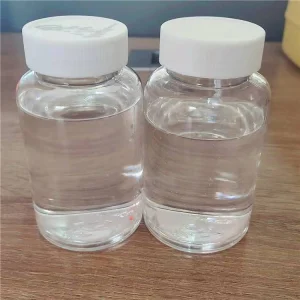
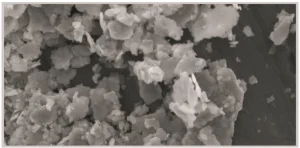
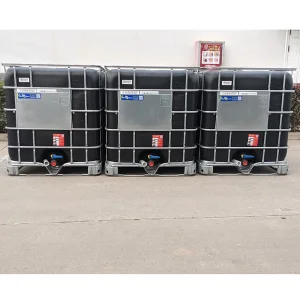
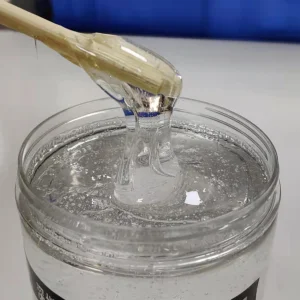
Liquid rubber roof paint represents a pinnacle in the evolution of elastomeric protective barriers. Unlike traditional bituminous coatings, sheets, or torch-applied membranes that are prone to seam failure and degradation, modern liquid rubber coatings provide a seamless, monolithically bonded membrane that matches the contour of any substrate. This makes them highly effective for commercial roofing, waterproofing, and corrosion protection.
The core mechanism of liquid rubber relies on the cross-linking of specialty elastomers like polybutadiene (MLPB), nitrile butadiene (CTBN/ATBN), and styrene-butadiene (LSBR). When formulated correctly, these raw elastomers dry and cure into a robust, highly elastic barrier that can stretch up to 800% without tearing, resisting extreme UV radiation, standing water, thermal shocks, and mechanical shifts. By working closely with specialized Chinese chemical synthesis companies like YANXA (Yanxatech System Industries Limited), global paint formulators and roofing contractors can procure high-grade synthetic elastomers to optimize the elasticity, longevity, and adhesion of their architectural roof paints.
Advanced elastomer base ensures that the coatings can withstand structural shifts and thermal expansion, preventing cracks.
Formulated with specialized polybutadiene and thermal stabilizers to resist degradation from intense sunlight exposure.
Creates a monolithic membrane that bonds tightly to steel, concrete, asbestos, wood, and polyurethane foams.
Established as a fledgling small business unit back in 2008, Yanxatech System Industries Limited (YANXA) has steadily and vigorously grown into one of China’s most reliable, high-growth B2B suppliers in the field of specialty chemicals and mechanical industrial materials. Our corporate growth over the last decade is fueled by a passion for developing broad, resilient international markets and collaborating with the country’s leading chemical manufacturers and academic research institutes.
At YANXA, our operational philosophy is anchored on three foundational pillars: Quality, Safety, and Efficiency. We recognize that industrial chemical manufacturing and distribution carry unique responsibilities, especially regarding environmental compliance and occupational hazard management. We adhere strictly to national safety guidelines, REACH regulations, and ISO certification frameworks to ensure that our materials—from liquid synthetic rubbers to high-purity metal powders—are delivered with zero-defect conformity.
Through deep cooperation with top chemical laboratories, YANXA provides comprehensive solutions in three major categories:
The mechanical properties of a liquid rubber roof paint depend directly on the polymer matrix selected by the formulator. In high-performance architectural applications, raw acrylics or polyurethanes are often modified with reactive liquid elastomers to improve toughness, low-temperature flexibility, and moisture resistance.
| Elastomer Type | Functional Group | Primary Action in Roof Paint Formulations | Key Industrial Advantage |
|---|---|---|---|
| MLPB (Maleic Anhydride Grafted Polybutadiene) | Carboxylic Anhydride | Acts as a reactive compatibilizer and adhesive promoter. Enhances cross-linking density with epoxy or polyurethane resins. | Outstanding resistance to water, high adhesion to metals, and superb low-temperature flexibility down to -40°C. |
| CTBN (Carboxyl Terminated Nitrile Butadiene) | Carboxyl (-COOH) | Modifies epoxy-based waterproofing coats. Increases mechanical impact strength and micro-crack resistance. | Superb resistance to oils, structural vibrations, thermal shocks, and industrial atmosphere chemical exposures. |
| ATBN (Amino Terminated Nitrile Butadiene) | Amine (-NH2) | Reacts directly with epoxy resins. Serves as a polymeric elastomeric curing co-agent. | Unrivaled peel strength, shear strength, and chemical durability on metal roofs and joint details. |
| LSBR (Liquid Styrene Butadiene Rubber) | Styrene-Butadiene Backbone | Used in emulsion-based modified asphalt roof paints to increase weatherability. | Cost-effective elastic enhancement, exceptional UV stability, and ease of spray application. |
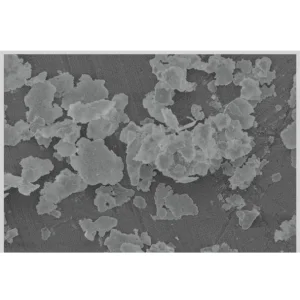
For instance, when formulating a metal roof protective coating, adding Maleic Anhydride Grafted Polybutadiene (MLPB) directly modifies the polar nature of the rubber paint. The grafted maleic anhydride groups bond chemically to oxidized metal or concrete substrates, dramatically reducing the risk of peeling. Concurrently, incorporating anti-corrosion additives like China Zinc Flake Powder or Flake Zn-Al Alloy Powder provides galvanic protection, making the roof paint both a waterproofing membrane and an active rust-prevention system.
The global chemical market relies heavily on Chinese supply chains, particularly for functional polymers and specialty alloy powders. Procurement managers source liquid rubber roof paint raw materials from China due to three main factors:
China produces a substantial share of global basic monomers like butadiene, acrylonitrile, and maleic anhydride. This vertical integration buffers Chinese factories from raw material volatility, allowing suppliers like YANXA to offer steady, competitive price quotes to global buyers.
Our domestic partner facilities utilize automated chemical reactors and advanced milling equipment. This ensures precise control over critical polymer features, including molecular weight distribution and functional terminal group concentration in liquid rubbers.
With mature deep-water ports like Shanghai, Ningbo, and Qingdao, China provides seamless intermodal freight solutions. YANXA manages complex shipping arrangements, offering specialized packaging for hazardous chemical cargos and temperature-controlled shipping for sensitive items.
Procuring chemical products for building materials requires strict adherence to localized performance standards and environmental rules. Different climates and building codes require customized polymer formulations:
Climatic Adaptation: Roof coatings used in high-temperature equatorial regions require high UV reflection and thermal oxidation resistance. In contrast, coatings for arctic regions require low-temperature flexibility to prevent cracking during freeze-thaw cycles. YANXA supports international formulators by adjusting functional parameters like molecular weight and amine values in ATBN/CTBN to meet these specific regional needs.
Regulatory Compliance & Certifications: Industrial customers must comply with local VOC limits (such as SCAQMD rules in the US or REACH standards in Europe). We provide complete chemical documentation, including Safety Data Sheets (SDS), Certificates of Analysis (COA), and Certificates of Conformance (COC). These documents facilitate customs clearance and confirm regulatory compliance for our clients.
High-solids liquid rubber coatings are used across residential, commercial, and heavy industrial structures. Key application areas include:
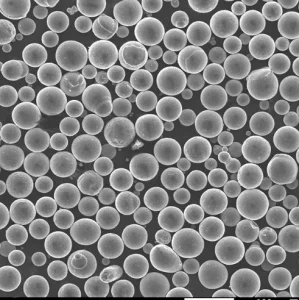
Metal roofs on warehouses and factories face thermal expansion stresses and environmental rust. Applying a liquid rubber paint modified with zinc flake powder or atomized aluminum-magnesium alloy powder creates a durable barrier that blocks moisture and prevents galvanic corrosion.
Concrete flat roofs are prone to cracking and pooling water. Liquid rubber membranes bridge these cracks and resist standing water, outlasting traditional acrylic coatings in demanding industrial environments.
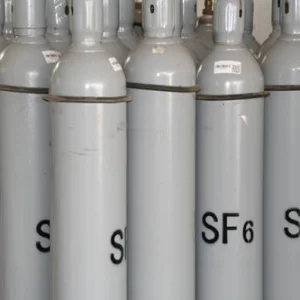
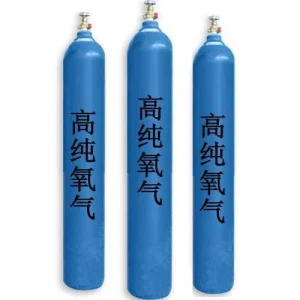
In addition to rubber modifiers and metallic pigments, YANXA's extensive chemical supply background includes aldehyde compounds, specialty polyethers, and ultra-high-purity gases. This comprehensive catalog enables us to serve as a single-source partner for complex industrial operations.
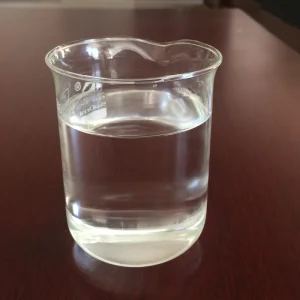
Formaldehyde is a colorless, highly reactive organic chemical intermediate. It is supplied commercially in liquid form as formalin (37-50% solution, stabilized with methanol to prevent polymerization). Its boiling point is 96°C, relative density is 0.815 at -20°C, and flash point is 55°C.
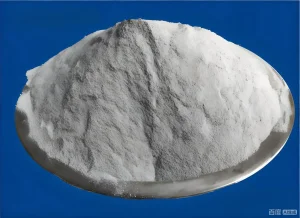
Also known as HMTA (CAS No. 100-97-0), hexamine is a white crystalline powder produced by reacting formaldehyde and ammonia. It is a widely used curing agent and intermediate in plastics, synthetic rubbers, and pharmaceutical synthesis.
A solid polymer of formaldehyde with a light, flammable odor. Our high-grade paraformaldehyde (offered in 92% and 96% purities) has a controlled solubility time (≤40 minutes) and low formic acid content (≤0.05%), making it ideal for synthetic resins and coating formulation.
Review our standard operating answers below, covering pricing, shipping options, quality guarantees, and payment terms.
Browse additional specialty chemical materials, including polyethers, high-purity industrial gases, and alloyed metal powders from our global catalog.
 Yanxatech