Explore our engineered chemical agents, custom functional fluids, and precise metal alloy powders tailored for global industrial applications.
Liquid Silicone Rubber (LSR) molding has emerged as the cornerstone technology for industries requiring high-performance elastomeric components. Unlike traditional compression molding of solid silicone, the LSR process uses a platinum-cured liquid system, enabling rapid cycle times, high automation, and exceptional precision. Globally, the demand for LSR components is surging, driven by high-growth verticals such as medical devices (long-term implants, respiratory valves), electric vehicles (thermal management systems, high-voltage connectors), and smart wearables (waterproof IP68 seals, soft-touch biocompatible interfaces).
As global supply chains demand more resilient, cost-effective, and highly scalable partners, Chinese LSR manufacturers have transitioned from low-cost parts providers to key co-development engineering partners. By integrating advanced cleanroom technologies, automated robotics, and multi-component (2K/LSR-thermoplastic) injection systems, China-based suppliers offer significant competitive advantages in tooling lead times and material flexibility.
Standard polymers fail under extreme environmental stresses. LSR components maintain mechanical integrity across a broad temperature spectrum (-50°C to +200°C), demonstrate superior dielectric properties, and offer unparalleled biocompatibility. Here is how specialized LSR molding solves challenges across primary industrial domains:
Strict adherence to USP Class VI and ISO 10993 requirements. Liquid silicone rubber is biologically inert, resistant to autoclave and gamma sterilization, and ideal for dynamic pump components, needle-free valves, surgical instruments, and fluid delivery manifolds.
As vehicles transition to high-voltage EV powertrains, LSR is essential for battery pack perimeter seals, wire-harness connectors, cooling manifolds, and vibration dampening pads. Its low compression set guarantees lifelong sealing efficacy.
Custom smart watches, ruggedized instrumentation, and defense communications devices require multi-shot overmolding (LSR bonded to polycarbonate or polyamide) to secure dust-proof, shock-proof, and waterproof configurations.
Achieving defect-free LSR molding demands meticulous thermal regulation. Unlike standard thermoplastics that melt in hot barrels and solidify in cold molds, LSR compounds enter a chilled barrel assembly (maintained between 15°C to 20°C) and cure in a heated mold tool (typically 170°C to 210°C).
| Process Phase | Key Parameters & Controls | Critical Variables for Quality Control |
|---|---|---|
| 1. Metering & Mixing | 1:1 volumetric ratio dosing (Component A + B) with precise color pigment dosing. | Prevention of air entrapment; static mixer efficiency checks. |
| 2. Chilled Injection | Cold runner system maintained at 15°C - 20°C to prevent premature curing. | Dynamic nozzle shut-off pressure regulation to eliminate drool. |
| 3. High-Temp Vulcanization | Mold cavity temperatures maintained at 170°C - 210°C. | Uniform heating cartridge configuration; elimination of hot/cold spots. |
| 4. Automated Demolding | Robot-arm mechanical pickers or pressurized air blow-off. | Avoid mechanical distortion on fresh elastomers; clean demolding. |
Our manufacturing facility employs high-precision German-engineered injection machinery equipped with closed-loop pressure sensors. By analyzing the dynamic viscosity of the material in real-time, our systems dynamically adjust injection velocity to prevent flash—a common defect in LSR molding due to its low viscosity at high temperatures.
Yanxatech System Industries Limited (YANXA) is a premier developer and strategic supplier of advanced engineering materials, specialty chemicals, and high-performance metallic powders in China. Established in 2008 as a highly focused material science business unit, YANXA has expanded into a global supply chain partner servicing demanding industrial and chemical manufacturing sectors worldwide.
Our core commercial focus revolves around bridging advanced material development with state-of-the-art manufacturing requirements. Operating in close alignment with China's top-tier polymer and inorganic compound manufacturers, YANXA's material supply profile includes:
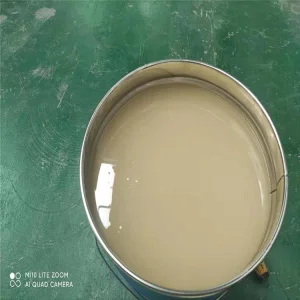
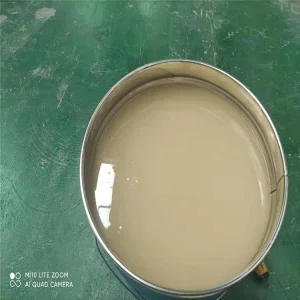
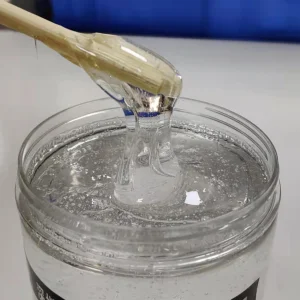
We provide functionalized liquid rubbers, hydroxyl-terminated butadiene-styrene copolymers (HTBS), and epoxy-modified liquid rubbers designed to enhance the flexural, thermal, and mechanical durability of complex elastomer composites.
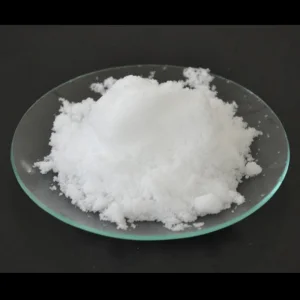
Providing high-grade Lithium Nitrate and Aluminum Nitrate compounds optimized for chemical processing, catalyst support systems, and next-generation battery electrolyte compositions.
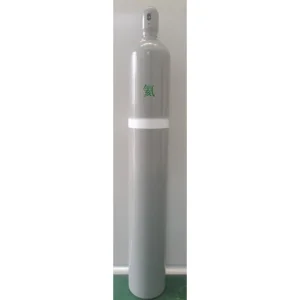
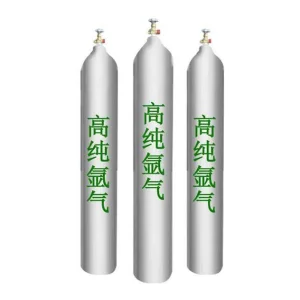
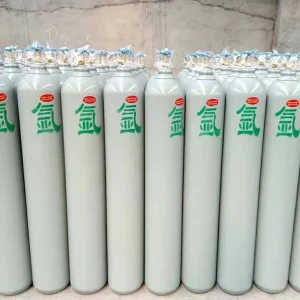
Supply chains for Ultra-pure Xenon, Helium, and Argon gases critical for cleanroom wafer manufacturing and precision chemical vapor deposition (CVD) methods.
This deep experience in material chemistry allows us to understand polymer flow behaviors, curing profiles, and physical-chemical material properties. For clients seeking advanced LSR moldings, our materials-first engineering expertise guarantees optimal chemical compatibility between elastomer formulas and substrate plastics during complex bonding processes.
As part of our commitment to transparency, quality documentation, and E-E-A-T principles, we provide comprehensive technical parameters for our secondary product lines. These materials are processed in ISO-certified plants and undergo rigorous quality checks before shipment.
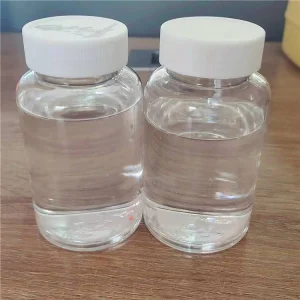
Characteristics: Colorless liquid, easily polymerized, soluble in water, alcohol, and ether. Readily oxidized to formic acid in ambient air conditions. Actively functions as a strong reducing agent.
Key Specs: Commercialized as formalin (37-50% solution) with methanol stabilizer to inhibit polymerization. Boiling Point: 96°C; Density: 0.815 g/cm³; Flash Point: 55°C.
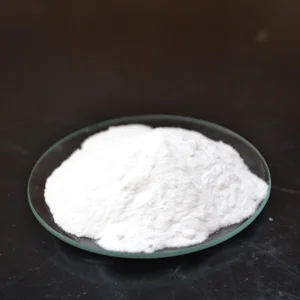
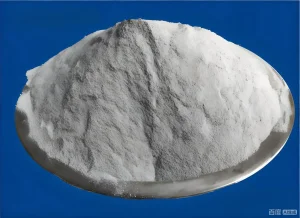
Characteristics: White crystalline organic intermediate powder synthesis-derived from formaldehyde and ammonia condensation.
Key Specs: CAS Registry No: 100-97-0; Formula: C₆H₁₂N₄; Molecular Weight: 140.19 g/mol. Widely utilized in phenolic resin production, vulcanization accelerators, and pyrotechnic compounds.
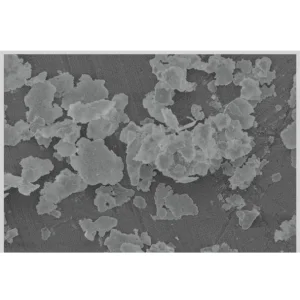
Characteristics: Linear polymeric formaldehyde solid presenting as a white powder. Emits a distinct formaldehyde odor.
Key Specs: Concentration options: ≥96% and ≥92%; Formic Acid content: ≤0.05%; pH stability index: 5.0 - 7.0; Solubility rate: ≤40 mins.
Operating in international industrial markets means operating under rigorous compliance standards. YANXA is dedicated to ensuring that all chemicals, gas shipments, and elastomer materials comply with local environmental laws.
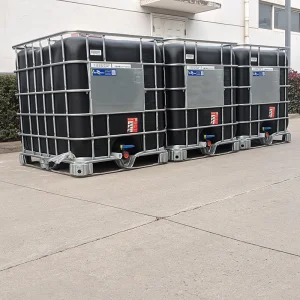
Our global supply chain logistics team utilizes specialized packaging, UN-rated drum assemblies, and climate-controlled storage to maintain material integrity. Whether we are shipping temperature-sensitive liquid polymers or hazardous chemical intermediates, we execute all logistics safe and in compliance with international transit laws.
Complete catalog of specialty rubbers, fluorinated compounds, and alloy powders.
 Yanxatech