Explore our premium grade chemical formulations, liquid rubber derivatives, and spherical metal alloy systems optimized for additive manufacturing and advanced engineering industries.

The global additive manufacturing (AM) sector has transitioned from rapid prototyping to direct-to-part production. Industrial metal 3D printing, specifically through Selective Laser Melting (SLM), Electron Beam Melting (EBM), and Direct Energy Deposition (DED), mandates strict metallurgical precision. Spherical metal powders serve as the cornerstone of this evolution. The commercial landscape relies on materials that can withstand localized thermal dynamics and rapid solidification rates inherent to laser and electron beam processes.
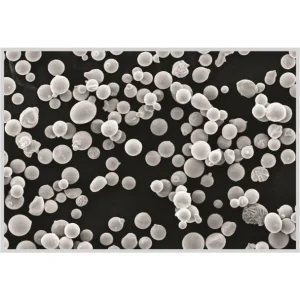
Worldwide demand for high-performance spherical alloy powders—including Titanium (Ti6Al4V), Nickel superalloys (Inconel 718/625), Cobalt-Chrome (CoCrMo), and highly optimized Aluminum-Silicon formulations (AlSi10Mg)—is experiencing double-digit annual growth rates. Modern manufacturing facilities require standardized particle size distributions (PSD) to satisfy extreme density requirements. Typically, PBF (Powder Bed Fusion) processes utilize 15–45μm particle ranges, whereas DED relies on coarser distributions ranging from 45–105μm. Sphericity, oxygen control, and flowability represent critical variables governing physical yield, mechanical properties, and structural integrity of printed parts.
Key industries like aerospace, biomedical implants, and automotive thermal management depend on consistent supply lines. Global sourcing strategies focus heavily on reducing the Total Cost of Ownership (TCO) without compromising metallurgical purity. The integration of advanced gas atomization technology has allowed manufacturers to scale production, offering raw material stability that was previously unattainable.
Evaluating metal powders for additive manufacturing involves assessing physical and chemical attributes to ensure print reliability. High sphericity ensures excellent flowability and packing density, which in turn minimizes defects like interlaminar porosity and structural voids during the print process.
The following table lists industrial alloy systems commonly used in industrial 3D printing, along with their key parameters and applications:
| Material Designation | Compositional Highlights | Sphericity (%) | Primary Application Fields |
|---|---|---|---|
| Ti-6Al-4V Grade 5 / 23 | Ti (Bal.), Al (6%), V (4%), Low O | ≥ 90% | Aerospace aerospace, medical implants |
| AlSi10Mg (Al-Alloy) | Al (Bal.), Si (10%), Mg (0.5%) | ≥ 88% | Lightweight automotive parts, radiators |
| Inconel 718 (Nickel-based) | Ni (52%), Cr (19%), Fe (Bal.), Nb (5%) | ≥ 92% | High-temperature turbine blades, exhaust valves |
| CoCrMo (Cobalt-Chrome) | Co (Bal.), Cr (28%), Mo (6%) | ≥ 90% | Dental implants, orthopedic joints |
China has developed strong competitive advantages in the production of metal 3D printing powders. Chinese manufacturers benefit from integrated supply chains for raw materials like titanium sponge, high-purity aluminum, and specialty industrial metals. Advanced Vacuum Induction Melting Gas Atomization (VIGA) and Electrode Induction Melting Gas Atomization (EIGA) systems allow Chinese facilities to scale production while lowering processing costs.
Strategic logistics networks, localized processing hubs, and raw material access help Chinese factories offer stable pricing configurations. Companies like YANXA support international sourcing requirements by providing consistent quality, comprehensive batch documentation, and certifications that satisfy strict global aerospace and biomedical regulations.
High-purity spherical alloy powders are crucial for demanding applications in several key industries:
The metal powder industry is shifting toward sustainable sourcing and increased production yield. Current research centers on powder recycling techniques to minimize loss across multi-laser systems. Development is also focused on customized High-Entropy Alloys (HEAs) and refractory metals like tungsten and molybdenum to support next-generation thermal systems.
Quality control increasingly relies on automated particle shape analyzer systems and dynamic inline inspection tools. These advancements ensure each batch meets strict specifications for particle distribution, helping to prevent structural defects in the final components.
Yanxatech System Industries Limited (YANXA) is one of the growing suppliers in the field of specialty materials in China. Starting from a fledgling small business unit in 2008, YANXA is driven with the passion of developing a broad international market in areas relating to the chemical and mechanical industry. Thanks to our team's enduring and persistent work and our business partners' long-lasting support, YANXA has steadily and vigorously grown into a company with excellence in delivering products and services relating to specialty chemicals.
Quality, safety, and efficiency prevail over all other values in our business. We care about our customers' needs for general products, as well as their unique and specific requirements for newly developed applications, in a timely manner. We adhere strictly to technical requirements and make deliveries in almost perfect conformity. The chemical business exposes more safety concerns than other industrial sectors. We undertake all activities involving chemicals in a safe way to ensure safety of human health and the environment.
Cooperating with leading manufacturers and renowned research institutes in the field of specialty chemicals in China, YANXA is capable of supplying:
Premier ISO9001 Certified Quality Management.
In addition to advanced alloy powders, we supply specialized industrial compounds and raw chemical intermediates manufactured to international standards.

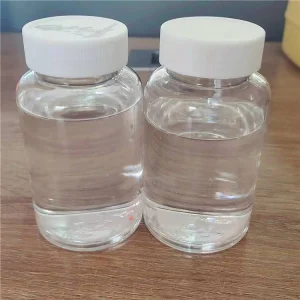
Colorless liquid, easily polymerized, soluble in water, alcohol, and ether. Supplied in liquid form as formalin (37-50% solution with methanol as polymerization inhibitor).
Technical Details
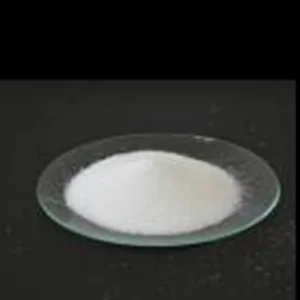
White crystalline powder produced by condensation of formaldehyde and ammonia. CAS No.: 100-97-0. Used in manufacturing and pharmaceutical synthesis.
Technical Details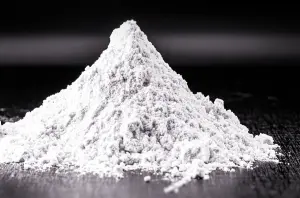
White powdery solid with a flammable odor of formaldehyde. A linear polymer of formaldehyde with high purity (≥96%) and stable parameters.
Technical Details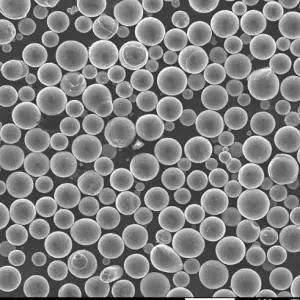
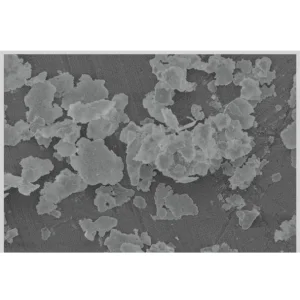
Atomized spherical metal powder engineered specifically for advanced refractory materials, energetic compounds, and specialized aerospace parts.
Technical Details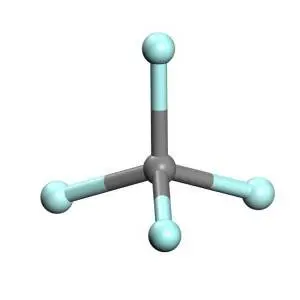
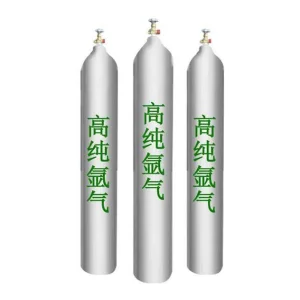
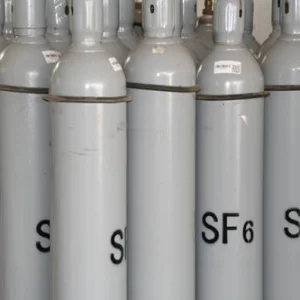
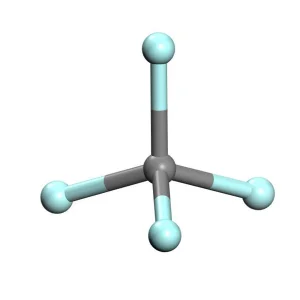
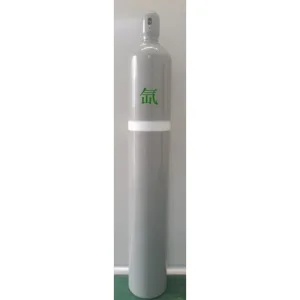
Ultra-high purity gas used as a low-temperature refrigerant and as an etchant in semiconductor manufacturing applications.
Technical Details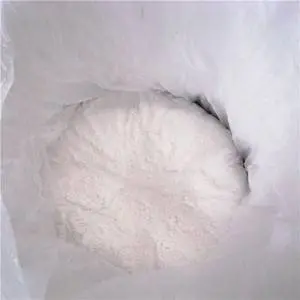
High-grade specialty mineral compound used in food additives, pharmaceutical formulations, and material synthesis applications.
Technical DetailsFind answers to common questions about our procurement terms, alloy specifications, quality verification, and shipping procedures.
Review our specialized materials catalog, including high-purity rare gases, alloy powders, and liquid rubber polymers for heavy industrial manufacturing.
 Yanxatech