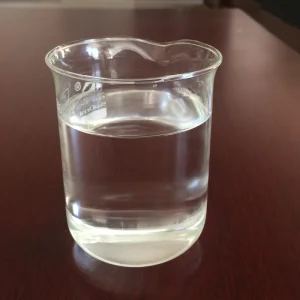
Methyl Hydrazine (also known as Monomethylhydrazine, or MMH, CAS 60-34-4) is a critical chemical compound in high-energy materials, specialized pharmaceutical synthesis, and advanced crop protection technologies. Due to its volatile, hypergolic nature when combined with strong oxidizers like dinitrogen tetroxide, the global commercial landscape is strictly regulated under international chemical controls and strategic defense frameworks.
Currently, the manufacturing of high-purity Methyl Hydrazine is concentrated within a select group of certified facilities globally, with China serving as a vital production hub. Chinese manufacturers have optimized synthesis lines to supply both domestic aerospace and heavy industrial sectors, while strictly complying with international transport safety standards. The commercial focus spans across liquid rocket bipropellants, organic synthesis intermediates, and stabilizing agents in polymer chemistry.
For procurement professionals, identifying reliable China Methyl Hydrazine manufacturers requires assessing regulatory compliance, quality control under ISO parameters, and secure transport methodologies. As global space exploration, satellite deployment, and pharmaceutical demands increase, the volume and capacity of global MMH synthesis have steadily grown, prompting upgrades in automated production lines to mitigate operational hazards and ensure batch-to-batch stability.
The aerospace sector remains the largest consumer of Monomethylhydrazine. Bipropellant propulsion systems using MMH as fuel offer superior storage stability compared to cryogenic alternatives, making them the industry standard for orbital maneuvering systems, satellite thrusters, and reaction control configurations.
Key growth areas in the global market include:
Chinese suppliers are adapting to these demands by scaling their refining processes, allowing for ultra-pure grades (>99.5% purity) that meet stringent space-grade and military-specification standards.
Traditional manufacturing lines (such as modified Raschig processes) are being upgraded to minimize waste streams. Industry leaders are focusing on closed-loop recycling of raw materials and reducing the environmental footprint of wastewater by utilizing advanced catalytic conversion and membrane filtration technologies.
As regulatory scrutiny under REACH, TSCA, and China's Hazardous Chemical Management Ordinance intensifies, traceability and supply-chain transparency are crucial. Reliable manufacturers must demonstrate adherence to international safety management policies and hold ISO 9001:2015 and ISO 14001:2015 certifications.
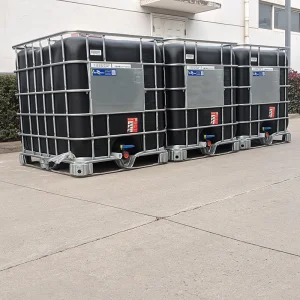
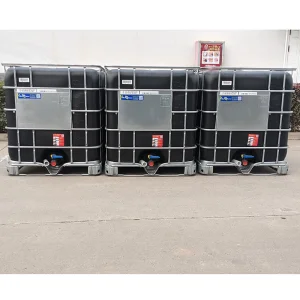
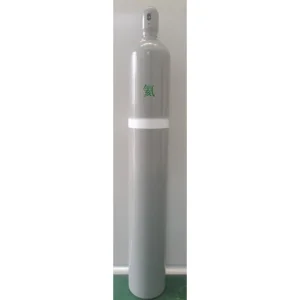
Given the highly toxic and flammable properties of Monomethylhydrazine, transporting it internationally requires specialized UN-approved pressure vessels, nitrogen blanket protection, and certified Class 6.1 hazard handlers. Chinese suppliers are investing heavily in cold-chain and dangerous goods logistics to guarantee safe delivery.
Monomethylhydrazine is synthetically produced through two primary industrial routes: the modified Raschig Process and the Urea Process. The selection of the synthesis route influences the impurities present in the final product, which is critical for aerospace propulsion applications where trace metal ions, moisture, and dimethylhydrazine isomers must be kept at sub-ppm levels.
| Property / Specification | Space Grade (MIL-P-27404) | Industrial Synthesis Grade | Analytical / Test Methods |
|---|---|---|---|
| Assay (Monomethylhydrazine %) | ≥ 98.0% | ≥ 95.0% - 97.0% | Gas Chromatography (GC) |
| Water Content (H2O %) | ≤ 1.5% | ≤ 3.0% | Karl Fischer Titration |
| Density at 25°C (g/ml) | 0.870 - 0.878 | 0.865 - 0.880 | ASTM D4052 |
| Particulate Matter | ≤ 10 mg/L | Custom specs | Gravimetric Membrane Filter |
| Iron (Fe) Content | ≤ 10 ppm | ≤ 50 ppm | ICP-MS |
During the synthesis process, controlling the formation of unsymmetrical dimethylhydrazine (UDMH) and standard hydrazine is critical. Specialized vacuum distillation columns equipped with highly efficient packings are used to separate these close-boiling fractions. The final packaging is conducted in an ultra-pure nitrogen atmosphere to prevent oxidation and moisture absorption, preserving the chemical integrity of the material.
Yanxatech System Industries Limited (hereinafter referred to as YANXA) is one of the growing suppliers in the field of specialty materials in China. Starting as a small business unit in 2008, YANXA is driven by the passion to develop a broad international market in areas relating to chemical and mechanical industries.
Thanks to our team’s persistent work and our business partners’ long-lasting support, YANXA has steadily grown into a reliable company with excellence in delivering high-value products and services relating to specialty chemicals.
Quality, safety, and efficiency prevail over all other values in our business. We care about our customers’ needs for general products, as well as their unique requirements for newly developed applications in a timely manner. We adhere strictly to technical requirements and make deliveries in conformity with safety standards.
Chemical supply chains expose more safety concerns than other industrial sectors. We undertake all activities involving specialty chemicals, gas purging agents, and metal powders in a safe, transparent manner to protect human health and the environment.
YANXA partners with leading manufacturers and research institutes in China to supply three main categories of materials that complement high-energy industrial applications:
Product Characteristics: Formaldehyde is a colorless liquid, easily polymerized, and readily soluble in water, alcohol, and ether. It is rapidly oxidized to formic acid in air, acting as a strong reducing agent.
Product Overview: A versatile organic chemical intermediate widely used in industrial resin manufacturing, explosive fabrication, rubber processing, and analytical chemistry. It is synthesized by the condensation reaction of formaldehyde and ammonia.
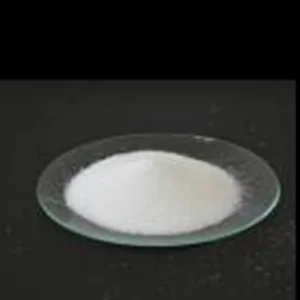
Product Features: A white solid polymer of formaldehyde with a flammable odor. It lacks a fixed melting point and is used in syntheses requiring dry formaldehyde gas.
| Item Specification | Grade A | Grade B |
|---|---|---|
| Content | ≥ 96.0% | ≥ 92.0% |
| Solubility | ≤ 40 minutes | ≤ 40 minutes |
| Formic Acid | ≤ 0.05% | ≤ 0.05% |
| PH Value | 5.0 - 7.0 | 5.0 - 7.0 |
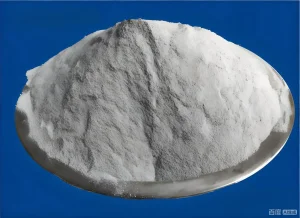
Applications: High-performance metal powder designed for energetics, pyrotechnics, and metallurgy. The spherical geometry ensures consistent flowability, packing density, and reaction rates.
We supply various particle size distributions (D50) according to user specifications, ensuring safe handling protocols and optimal combustion metrics for rocket fuel formulations.
 Yanxatech