Reliable distribution and supply of core industrial materials with strict ISO verification
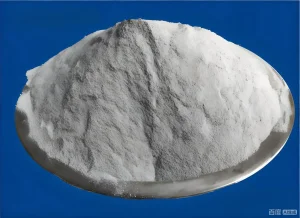
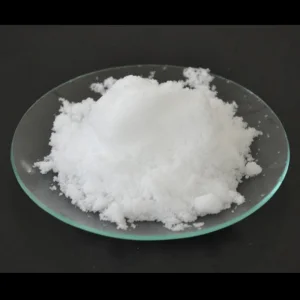
Tri-Calcium Phosphate (TCP), chemically denoted as Ca₃(PO₄)₂, is an essential inorganic calcium salt that serves as a cornerstone in modern chemical synthesis, food science, biomedical engineering, and industrial applications. As a prominent manufacturing hub, China plays a vital role in balancing the global demand-supply equation for TCP. Leveraging rich phosphate mineral deposits and optimized wet-process and thermal-process synthesis routes, Chinese manufacturers offer a comprehensive spectrum of TCP grades—ranging from high-purity pharmaceutical and food excipients to robust feed-grade additives and industrial flow agents.
On a global scale, the TCP market has observed substantial growth driven by heightened health awareness, clinical demand for bone-graft substitutes, and the continuous growth of the processed food and animal feed sectors. The integration of high-grade calcium orthophosphate in plant-based beverages, powdered culinary mixes, and advanced ceramic composites has further accelerated the market. Chinese manufacturing installations have adapted rapidly, executing strict environmental policies and energy-efficiency protocols to deliver cost-effective, premium-grade TCP to international markets under strict compliance.
Tricalcium phosphate exists primarily in two distinct crystalline phases, each displaying unique physicochemical attributes:
Synthesis pathways at Chinese factories typically involve reacting high-purity phosphoric acid (H₃PO₄) with calcium hydroxide (Ca(OH)₂) or calcium carbonate (CaCO₃) under controlled pH and stoichiometric conditions. By precisely modulating the Ca/P molar ratio to exactly 1.5, advanced processing plants prevent the formation of calcium-deficient hydroxyapatite or dicalcium phosphate impurities. Calcination step configurations are adjusted depending on the target application:
| Synthesis Parameter | Wet Chemical Process | Solid-State (Thermal) Process |
|---|---|---|
| Starting Materials | Phosphoric Acid + Calcium Hydroxide Solution | Calcium Carbonate + Ammonium Hydrogen Phosphate |
| Reaction Medium | Aqueous solution (pH adjusted with NH₄OH) | Dry powder mixture under high thermal input |
| Calcination Temp | 800°C - 1000°C for stabilization | 1100°C - 1350°C for crystal transformation |
| Typical Application | Food Additive (Anticaking), Feed Fortification | Biomedical Implants, Specialty Ceramics, Catalysis |
| Microstructure | Fine powder, high surface-area particles | Crystalline granules, high mechanical integrity |
Tricalcium Phosphate's versatility translates to tailored application scenarios around the world. Understanding these localized trends allows manufacturers in China to adjust production specifications to meet the regulatory requirements of different economic zones:
Established in 2008, Yanxatech System Industries Limited (YANXA) has grown from a fledgling business unit into a premier supplier of specialty materials in China. Driven by a passion for developing international markets relating to chemical and mechanical industries, YANXA has built strong partnerships with leading manufacturers and research institutes.
Cooperating with leading manufacturers and the renowned research institutes in the field of specialty chemicals in China, YANXA is capable of supplying:
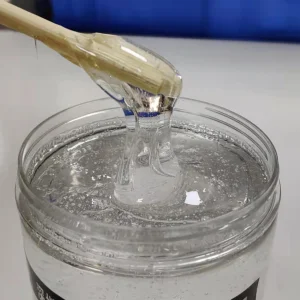
1) Liquid Rubber: High-performance formulations including ATBN, L-XNBR, and LSBR.
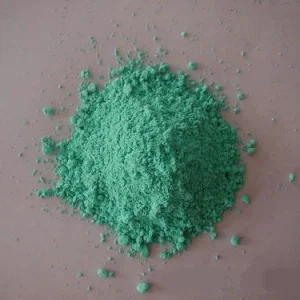
2) Nitrate: Basic cupric nitrate, strontium acetate, aluminum nitrate, and other specialty salts.
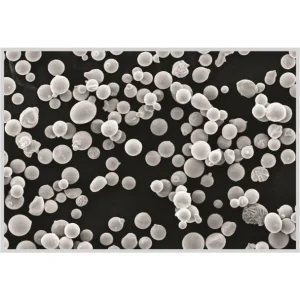
3) Metal Powder & Metal Alloyed Powders: Atomized spherical aluminum magnesium alloy powder, aluminum flake powder, and Al-based alloy powders.
Our core business philosophy is simple: Quality, safety, and efficiency prevail over all other values. We prioritize what our customers need—from general products to unique, specific requirements for newly developed applications. Adhering strictly to technical specifications, we make deliveries in almost perfect conformity. Because chemical businesses expose more safety concerns than other sectors, we undertake all operations in a safe way to protect human health and the environment.
Highly requested materials from our primary production lines

Colorless liquid, easily polymerized, soluble in water, alcohol, and ether. Supplied as formalin (37-50% solution with methanol stabilizer). Boiling point: 96°C, relative density: 0.815.
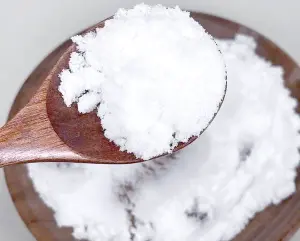
Also known as HMTA, this white crystalline powder is produced via the condensation of formaldehyde and ammonia. CAS No: 100-97-0. Widely used as an organic intermediate.
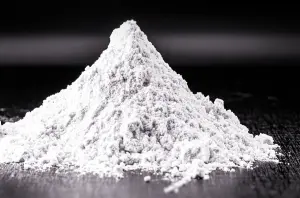
White powdery solid with a flammable odor of formaldehyde. A linear polymer of formaldehyde with high solubility and purity specifications.
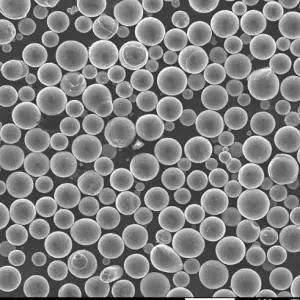
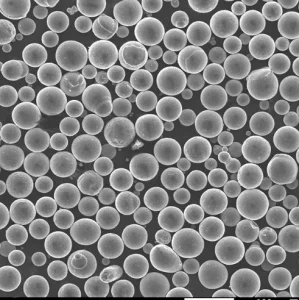
Specially formulated for pyrotechnics, chemical reactions, and propellant additions, offering outstanding spherical morphology and stability.
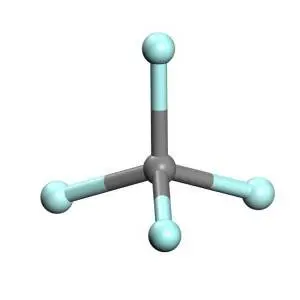
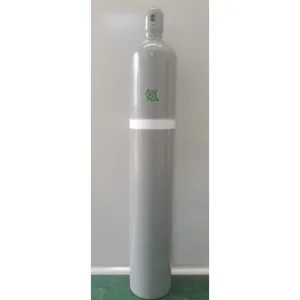
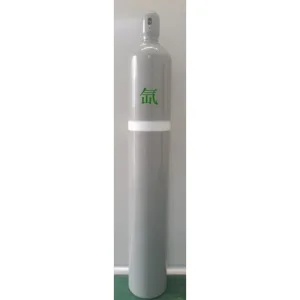
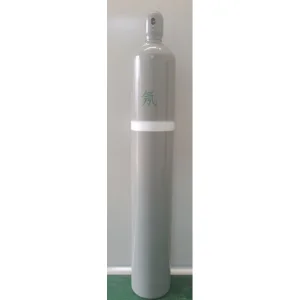
Electronic-grade etching gas and refrigerant, featuring high chemical stability and stringent purity profiles required by the semiconductor industry.
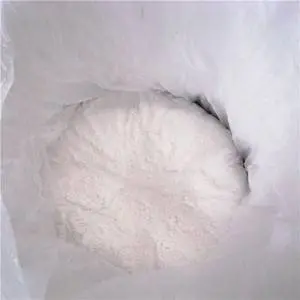
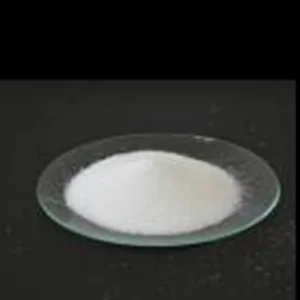
Premium grade calcium orthophosphate salt, designed for food anticaking, pharmaceutical tablet pressing, and mineral fortification applications.
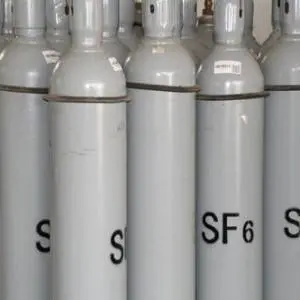
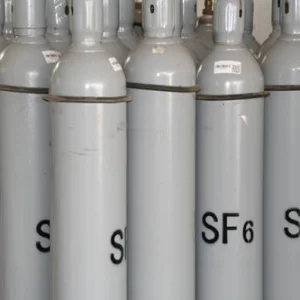
Excellent dielectric gas for high-voltage power applications, electrical switchgears, and gas-insulated substations globally.
Looking ahead, the manufacturing of Tri-Calcium Phosphate (TCP) is moving towards greater purity, lower carbon emissions, and circular economy compliance. Under China's strict environmental guidelines, manufacturers are upgrading to eco-friendly production systems:
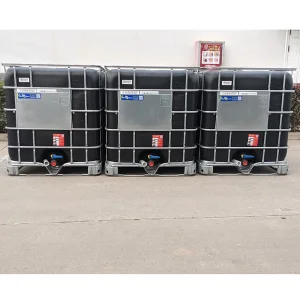
For global buyers sourcing chemical products from China, maintaining chemical stability during shipping is crucial. Since TCP is highly hygroscopic, factories must use moisture-barrier packaging, such as multi-layer kraft paper bags with inner PE liners or durable bulk bags. At YANXA, we work with ISO-certified logistics partners to ensure products are stored in temperature-controlled warehouses, preventing clumping before arrival.
Our quality control protocols comply with international standards, including FCC, USP, EP, and local feed regulations. Every shipment comes with a Certificate of Analysis (COA) detailing the assay value, Ca/P ratio, heavy metal levels, and particle size distribution.
Essential insights about purchasing, logistics, and technical specifications
Additional chemical intermediates, specialty gases, and advanced alloy powders
 Yanxatech