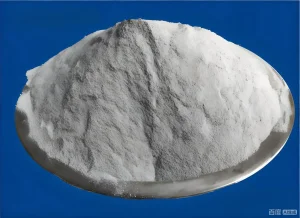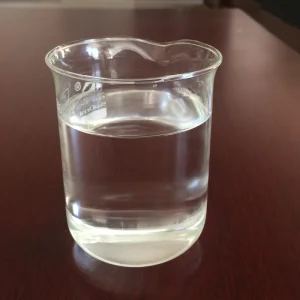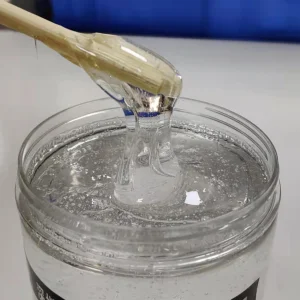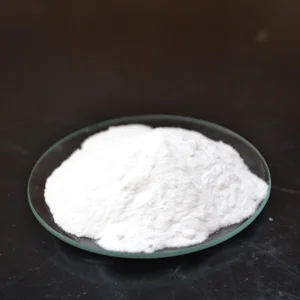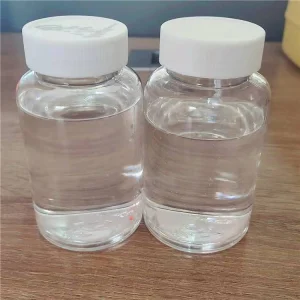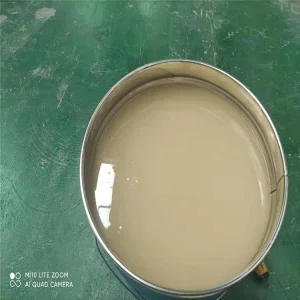
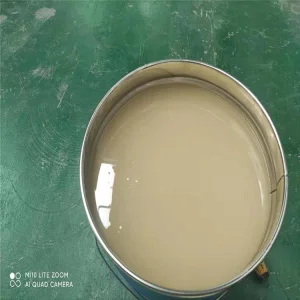
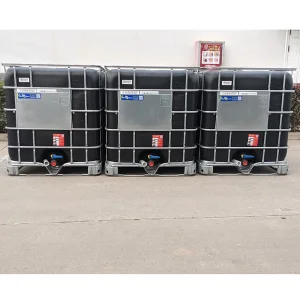
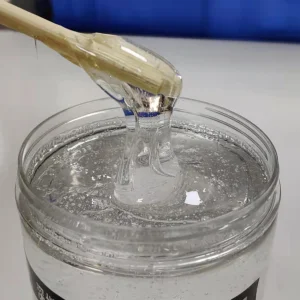
CAS No. 68239-06-5, chemically designated as Hydroxy-Terminated Polybutadiene (HTPB), represents a vital class of liquid oligomeric telechelic rubbers. Known for its distinct polymeric backbone, this specialty chemical comprises reactive hydroxyl groups at the terminal ends of its polybutadiene chain. It serves as an essential prepolymer that, when cross-linked with various isocyanates (such as IPDI, TDI, or MDI), yields high-performance polyurethane elastomers exhibiting unparalleled tensile strength, low-temperature elasticity, and structural stability.
At the micro-structural level, HTPB’s properties are heavily determined by the distribution of cis-1,4, trans-1,4, and 1,2-vinyl isomers along its butadiene backbone. Our state-of-the-art free-radical or anionic polymerization techniques guarantee exact control over the functionality index (typically maintained between 2.2 and 2.4) and molecular weight distribution (MWD). This structural control is crucial for high-end applications like binder matrices in solid rocket propellants, where batch-to-batch chemical uniformity directly correlates to safety and combustion performance.
Global corporate demand for CAS No. 68239-06-5 has experienced significant growth over the past decade. Industrial buyers across North America, the European Union, and the Asia-Pacific region focus on securing continuous, high-grade streams of this liquid elastomer. Because HTPB plays a critical role in strategic defense systems, aerospace engineering, and heavy infrastructure coatings, procurement departments must closely monitor supplier capacity, chemical shelf-life, and international compliance matrices.
Our commercial scale and strategic alliances enable us to offer consistent supply profiles that mitigate the risks associated with volatile global chemical markets. Enterprise clients prioritize our products because we deliver optimized viscosities (typically ranging from 4.0 to 6.0 Pa·s at 30°C) tailored to automated casting processes. This level of control reduces manufacturing downtime, lowers energy footprints during mixing stages, and ensures optimal curing profiles when cross-linked with diisocyanate systems.
| Procurement Parameter | Standard Grade Specification | Advanced Rocket/Aerospace Grade | Industrial Sealant Grade |
|---|---|---|---|
| Hydroxyl Value (mmol/g) | 0.70 - 0.90 | 0.80 - 0.85 (Ultra-Narrow) | 0.65 - 0.95 |
| Viscosity (at 30°C, Pa·s) | 5.0 - 7.0 | 4.5 - 5.5 | 6.0 - 8.0 |
| Moisture Content (%) | ≤ 0.05 | ≤ 0.03 | ≤ 0.08 |
| Color (APHA) | ≤ 80 | ≤ 50 | ≤ 120 |
Beyond its traditional role as a solid fuel binder, HTPB (CAS No. 68239-06-5) serves as a critical component in many advanced industrial solutions. Its hydrophobicity, low-temperature elasticity, chemical resistance to acids and bases, and excellent dielectric properties make it an ideal choice for high-durability projects.
Serving as the structural binder matrix for composite solid rocket propellants, matching energy-rich additives (e.g., atomized spherical aluminum powders) with oxidizers.
Provides excellent mechanical performance and prevents thermal cracking at sub-zero temperatures (below -50°C) for structural glues used in arctic environments.
Protects sensitive underwater electronic equipment against moisture ingress, offering outstanding electrical resistance and low moisture permeability.
As performance requirements in aerospace and high-speed rail transportation become increasingly stringent, the technical development of HTPB is entering a new phase. Key research directions focus on modifying the polymer backbone to enhance thermal stability and tailoring end-group functionality to achieve cleaner, more predictable cure profiles.
Future development programs aim to replace hazardous organometallic catalysts used during polymerization with eco-friendly alternatives, ensuring REACH-compliant manufacturing processes. Additionally, developing low-viscosity HTPB variants remains a key goal, as these types allow for higher filler loading (such as high-density energetic crystal inputs) without sacrificing processing flow or structural integrity.
The commercial market landscape for CAS No. 68239-06-5 is characterized by high technical entry barriers. Production lines must handle challenging polymerization conditions, requiring deep chemical expertise and strict adherence to environmental regulations. Key production hubs in China, the United States, and Western Europe are upgrading their lines to supply advanced grades that meet strict quality standards.
From a geographical standpoint, Asia-Pacific represents the fastest-growing market, driven by expanding commercial satellite launch services, infrastructure projects, and automotive electronics. Meanwhile, demand in Western Europe and North America remains steady, focused primarily on high-precision military propellants and advanced automotive structural adhesives.
Yanxatech System Industries Limited (hereinafter referred to as YANXA) is a fast-growing supplier in the field of specialty materials in China. Starting from a fledgling small business unit in 2008, YANXA has been driven by a passion for developing a broad international market in chemical and mechanical industrial sectors. Thanks to our team's enduring, persistent work and our business partners' long-lasting support, YANXA has grown into an established company characterized by excellence in delivering products and services relating to specialty chemicals.
Cooperating with leading manufacturers and renowned research institutes in the field of specialty chemicals in China, YANXA is highly capable of supplying:
Our Business Philosophy: Quality, safety, and efficiency prevail over all other values in our business. We focus on meeting our customers' needs for standard products while promptly addressing their unique requirements for newly developed applications. We adhere strictly to technical specifications to ensure deliveries are in perfect conformity. Because the chemical business involves more safety concerns than other industrial sectors, we conduct all chemical handling and logistics in a safe, compliant manner to protect human health and the environment.
To support global procurement efforts, YANXA supplies a diverse range of high-demand industrial chemicals and raw materials. Our products undergo rigorous quality control to ensure consistent batch-to-batch performance.
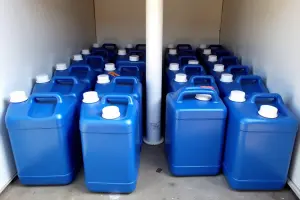
Colorless, highly reactive liquid, easily polymerized. Boiling point: -19°C. Supplied as formalin, a 37-50% solution with methanol stabilizer.
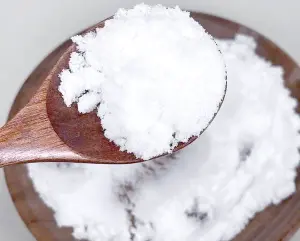
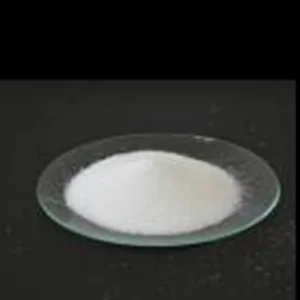
White crystalline powder. CAS No.: 100-97-0. Molecular Formula: C6H12N4. Used in industrial manufacturing, rubber, and pharmaceuticals.
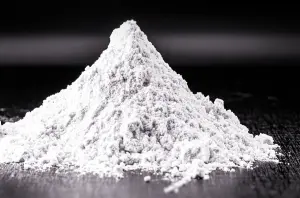
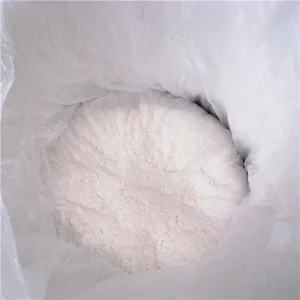
White solid with characteristic formaldehyde odor. Linear polymer. Features high purity (≥96%), low formic acid (≤0.05%), and stable pH.
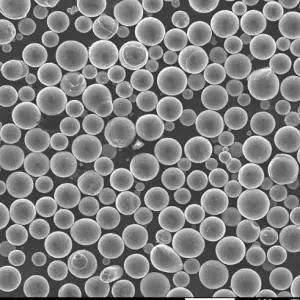
Atomized spherical aluminum-magnesium alloy powder. Ideal for metallurgy, pyrotechnics, and industrial manufacturing applications.
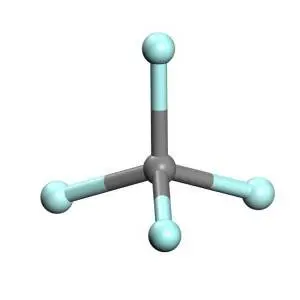
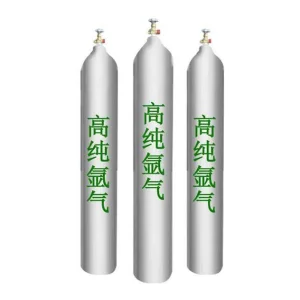
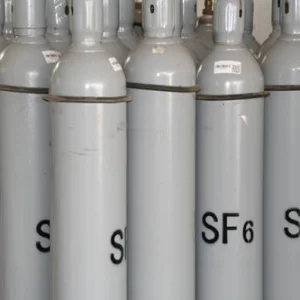
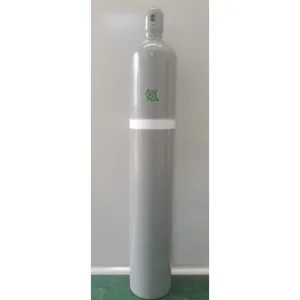
High-purity industrial gas used for etching processes in semiconductor manufacturing and cooling systems.
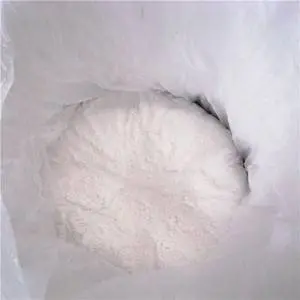
High-grade calcium salt compound, used as an anti-caking agent, dietary supplement, and industrial stabilizer.
Our manufacturing facility operates as a premier, ISO 9001:2008-certified manufacturer of high-quality, cost-effective chemicals and materials. To ensure absolute compliance with international supply chain standards, we subject every batch of CAS No. 68239-06-5 to strict quality control, utilizing advanced analytical techniques including Gel Permeation Chromatography (GPC) for molecular weight distribution, Karl Fischer titration for moisture control, and gas chromatography.
We understand the complexities of shipping hazardous materials and dangerous goods. YANXA complies with all international transport rules, including IMDG and IATA regulations. We provide complete documentation, including detailed Safety Data Sheets (SDS), Certificates of Analysis (COA), Certificates of Origin (COO), and bill of lading documents.
Find answers below to frequently asked questions about our pricing, minimum order quantities (MOQ), technical documentation, and logistics processes.
 Yanxatech