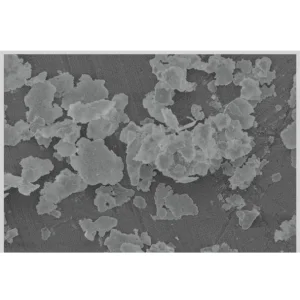
High-Purity Oxidants and Wet-Etch Reagents Engineered for Advanced Microelectronics, Organic Synthesis, and Critical Global Chemical Supply Chains.
Explore our advanced specialty chemical lines optimized for microelectronics, polymer modifiers, structural materials, and high-performance industrial processes.
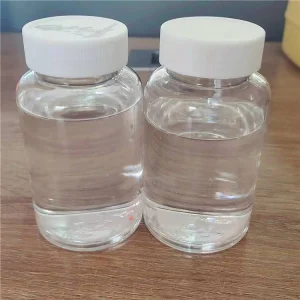
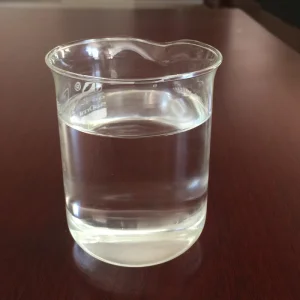
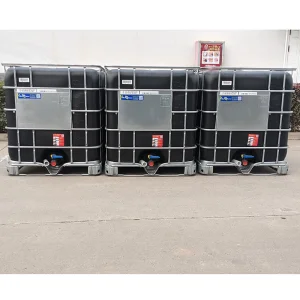
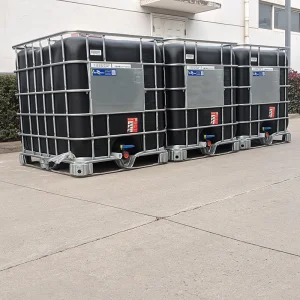
Established in 2008 as a fledgling small business unit driven by a passion for connecting international industrial sectors with reliable material suppliers, Yanxatech System Industries Limited (YANXA) has steadily and vigorously grown into a premier supplier in the field of specialty chemicals in China. Our company focuses on supplying high-purity chemical intermediates, industrial gases, liquid rubbers, and specialized metal alloy powders. By cooperating with leading manufacturers and the most renowned chemical research institutes across mainland China, we ensure our global clients receive materials that conform to strict regulatory and technical protocols.
Operating under a robust Quality Management System, our partner manufacturing facilities have grown into premier ISO9001:2008 certified hubs of high-quality, cost-effective products. At YANXA, we value quality, safety, and operational efficiency above all else. Whether handling standard commodity-scale chemical orders or satisfying highly specific chemical configurations for newly developed applications, we tailor our delivery mechanisms, chemical purities, and packaging profiles to match modern manufacturing environments.
Ceric Ammonium Nitrate (CAN), chemically designated as $(NH_4)_2Ce(NO_3)_6$, is an orange-red water-soluble inorganic salt. It is classified under CAS No. 16774-21-3 and represents one of the most powerful one-electron oxidants used in modern chemical synthesis and electronics manufacturing. Due to the high reduction potential of the $Ce(IV)/Ce(III)$ couple (approximately $+1.61\text{ V}$ to $+1.75\text{ V}$ vs. NHE, depending on the acidic medium), CAN facilitates highly selective oxidation reactions under mild conditions.
In aqueous solutions and organic co-solvent systems, CAN exhibits high solubility, making it a preferred choice over other $Ce(IV)$ salts like ceric sulfate. The presence of the ammonium and nitrate ions facilitates a coordinated electron transfer mechanism. In semiconductor lithography, high-purity CAN is formulated with perchloric or nitric acids to create precision chromium wet-etch solutions, essential for the production of photomasks and flat panel displays.
| Parameters | Standard Industrial Grade | Electronic Grade (High Purity) |
|---|---|---|
| Appearance | Orange-red monoclinic crystals | Orange-red crystalline powder (Free from aggregates) |
| Assay ($Ce(IV)$ content) | ≥ 98.5% | ≥ 99.9% to 99.99% |
| Chloride ($Cl^-$) | ≤ 0.005% | ≤ 0.0005% (5 ppm) |
| Sulfate ($SO_4^{2-}$) | ≤ 0.01% | ≤ 0.001% (10 ppm) |
| Iron ($Fe$) | ≤ 0.002% | ≤ 0.0002% (2 ppm) |
| Heavy Metals (as $Pb$) | ≤ 0.001% | ≤ 0.0001% (1 ppm) |
| Insoluble Matter in water | ≤ 0.02% | ≤ 0.003% |
SEO Insight on Semantic Intent: Modern industrial buyers searching for "Wholesale Ceric Ammonium Nitrate Manufacturers" prioritize verified purity specifications, stable supply capabilities, and safe hazmat transit documentation. High purity is critical to prevent metal contamination on semiconductor wafers during wet-etching procedures.
The global trade profile of Ceric Ammonium Nitrate is heavily tied to the growth of three major downstream industries: microelectronics manufacturing, organic synthesis catalysis, and specialized chemical analysis.
In the semiconductor industry, the demand for high-purity CAN-based etchants is rising. As consumer electronics demand smaller, faster microchips, photomasks require increasingly precise etching of chromium thin films. Standard commercial etchants cannot tolerate trace iron, copper, or nickel impurities because these ions migrate into the silicon substrate, causing device failures.
In the pharmaceutical and organic synthesis sectors, CAN acts as an efficient oxidant for carbon-carbon and carbon-heteroatom bond formations, deprotection reactions (specifically for p-methoxybenzyl and benzyl ethers), and oxidation of side chains in aromatic hydrocarbons. Its low toxicity relative to chromium(VI) reagents like Jones reagent or pyridinium chlorochromate (PCC) aligns with green chemistry principles. This makes it highly desirable for scale-up pharmaceutical synthesis in North America, Europe, and India.
Critical wet-etch reagent used to selectively remove chromium layers from quartz templates, defining ultra-fine circuits with zero residue.
Replaces hazardous heavy metal oxidants in organic synthesis, optimizing yield in pharmaceutical and specialty chemical synthesis pathways.
Key component in chemical blends for liquid crystal display (LCD) and organic light-emitting diode (OLED) thin-film transistor (TFT) array etching.
Serves as a reliable cerimetric titrant for redox evaluations and active agent in chemical testing kits globally.
China produces the vast majority of the world's rare earth elements (REEs). Since Cerium is the most abundant rare earth metal in deposits like bastnäsite and monazite, Chinese manufacturers have direct vertical integration. This localized extraction and refining network provides distinct market advantages:
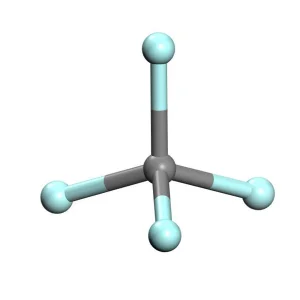
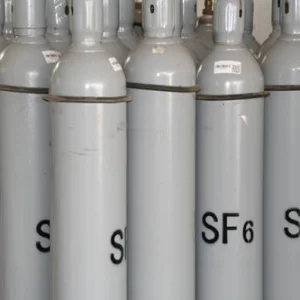
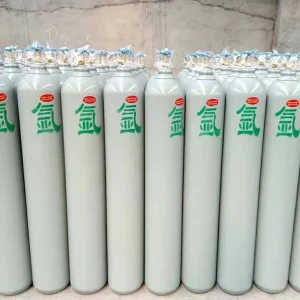
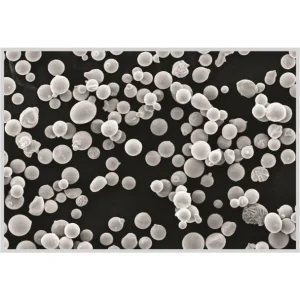
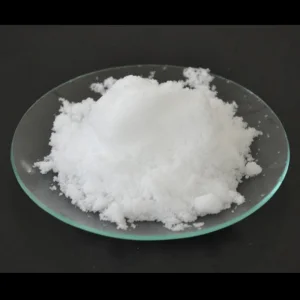
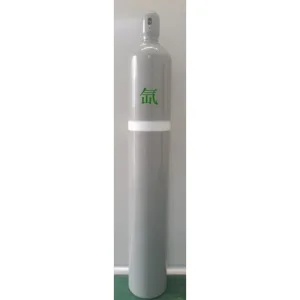
In addition to Ceric Ammonium Nitrate, YANXA collaborates with leading domestic producers to deliver a comprehensive suite of specialty chemical intermediates, polymers, industrial gases, and alloy powders:
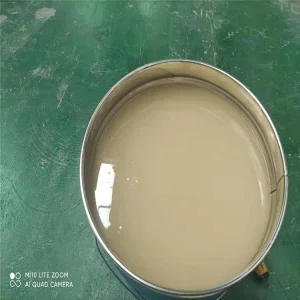
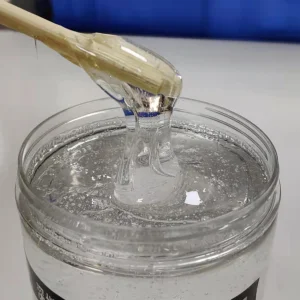
Our functionalized liquid rubbers serve as elastomeric modifiers to improve the fracture toughness, impact resistance, and thermal cycle behavior of structural epoxies, potting compounds, and aerospace adhesives:
At YANXA, our business philosophy is rooted in the belief that quality, safety, and efficiency must prevail. Ceric Ammonium Nitrate is classified as a UN Class 5.1 Oxidizer (UN 1477), requiring specialized logistics and packaging protocols.
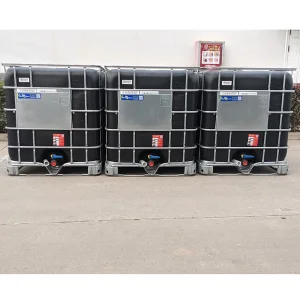
To prevent contamination and preserve chemical integrity during transit, we pack CAN in heavy-duty UN-approved packaging. This includes double-bagged polyethylene liners inside moisture-resistant fiber drums or heavy-gauge plastic pails. Each batch is shipped with a corresponding Certificate of Analysis (COA) detailing the assay value, chloride/sulfate levels, and heavy metal concentrations. Our logistics team coordinates with experienced dangerous goods carriers to manage ocean, air, and land transport. This ensures compliance with the IMDG Code, IATA regulations, and local customs requirements.
Our prices are subject to change depending on supply, raw material costs, and other market factors. Once your company contacts us with your required specifications and volume, we will send you an updated price list and commercial quote.
Yes, we require all international orders to meet a minimum order quantity. This helps cover dangerous goods documentation and transport costs. If you need smaller quantities for pilot testing, please contact our sales department to discuss sample availability.
Yes. We provide Certificates of Analysis (COA) / Certificates of Conformance (COC), safety data sheets (SDS) in multiple languages, certificate of origin documents, insurance certificates, and necessary hazardous export paperwork.
For standard samples, the lead time is approximately 7 days. For mass production, the typical lead time is 20 to 30 days after receiving your deposit and final approval of the specifications. If you have tight deadlines, please coordinate with our sales managers to find a workable logistics solution.
We accept payments through standard international bank transfers (T/T) and Letters of Credit (L/C) at sight. The typical structure is a 30% deposit in advance, with the remaining 70% balance due against the copy of the Bill of Lading (B/L).
We warrant that all delivered materials match the specifications outlined in the agreed contract and COA. Our primary commitment is customer satisfaction. If any quality deviations occur, our technical and quality assurance teams will work with you to resolve the concern.
Yes. We use high-quality export-grade packaging. For hazardous materials like Ceric Ammonium Nitrate or specialized gases, we use certified hazard-safe containers. If cold storage or moisture-barrier configurations are required, we adapt our logistics steps accordingly.
We supply Industrial Grade (assay ≥98.5%) for general industrial synthesis and water treatment, and high-purity Electronic Grade (assay ≥99.9% to 99.99%) with low trace metal impurities for microchip fabrication and thin-film transistor arrays.
Explore our specialized chemical and physical materials catalog, engineered to support aerospace, electronics, and structural manufacturing projects.
 Yanxatech