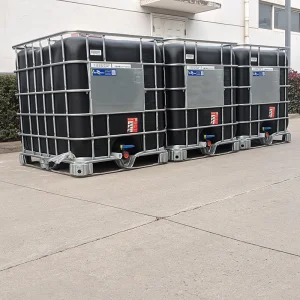
Direct supply from ISO9001 certified manufacturing facilities, engineered for ultimate flexibility, durability, and extreme environments.
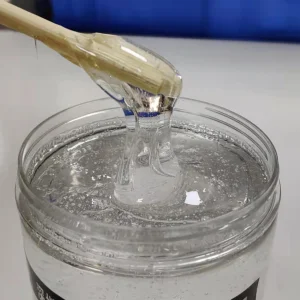
A technical overview of polymer matrix modification for industrial elastomeric coatings and high-performance protective paints.
Modern industrial coatings demand high elasticity, chemical resistance, and substrate adhesion. Flex Rubber Paint stands out as a versatile choice for protective barriers, engineered specifically to withstand thermal expansion, mechanical stress, and corrosive environments. At the core of high-performance flex rubber paint is the incorporation of liquid rubbers—specifically carboxyl-terminated, hydroxyl-terminated, and amino-terminated butadiene/nitrile polymers.
By leveraging advanced polymer synthesis, Yanxatech System Industries Limited (YANXA) delivers the base elastomeric additives that allow flex rubber paint manufacturers to achieve superior elongation characteristics. Since our inception in 2008, YANXA has developed strategic supply lines for these specialized materials, bridging the gap between high-tech lab synthesis and heavy industrial application.
The performance of a flex rubber coating is primarily defined by its polymer binder. Standard acrylics or polyurethanes can become brittle over time when exposed to UV radiation and ozone. Incorporating Liquid Nitrile Butadiene Rubber (LNBR), Carboxyl Terminated Nitrile Butadiene Rubber (CTBN), and Amino Terminated Nitrile Butadiene Rubber (ATBN) dramatically improves impact toughness and vibration dampening.
These liquid rubbers act as reactive toughening agents. They form micro-phase separated structures within the paint matrix. When a microscopic crack begins to form due to physical impact or thermal shock, these rubber domains absorb the kinetic energy and arrest crack propagation, ensuring the paint layer remains fully intact and waterproof.
Understanding the supply chain, cost structure, and technological capability of China's advanced polymer cluster.
China's chemical manufacturing zones boast unparalleled vertical integration. From upstream petrochemical feedstocks to downstream functional additives like specialty nitrates and alloy powders, raw material pipelines are localized to minimize transport risks and costs.
Leading Chinese chemical factories utilize state-of-the-art automated batch synthesis. This high degree of precision ensures consistent molecular weight distribution for polymers like LSBR and HTBS, leading to predictable viscosity and curing profiles for paint manufacturers.
By complying strictly with international testing criteria (ASTM, ISO, DIN), Chinese manufacturers secure reliable batch-to-batch consistency. Advanced analytical equipment like Gel Permeation Chromatography (GPC) and Fourier Transform Infrared Spectroscopy (FTIR) are standard.
Select the correct liquid rubber base modifier to achieve the desired flex performance, chemical protection, and curing speed.
| Polymer Modifier | Primary Reactive Group | Viscosity (mPa.s at 25°C) | Target Flex Performance | Key Applications |
|---|---|---|---|---|
| L-XNBR (Carboxy Nitrile) | Carboxyl (-COOH) | 20,000 - 60,000 | Extreme tear resistance, oil & fuel barrier | Automotive undercoatings, industrial linings |
| CTBN (Carboxyl-Terminated) | Terminal Carboxyl | 30,000 - 80,000 | High impact toughness, low-temp flexibility | Epoxy-rubber hybrid paints, marine coatings |
| HTBS (Hydroxyl-Terminated) | Terminal Hydroxyl | 15,000 - 45,000 | Exceptional weatherability, UV stability | Outdoor architectural membranes, roof coatings |
| LSBR (Liquid Styrene Butadiene) | Styrene-Butadiene Backbone | 5,000 - 15,000 | Cost-effective elastic barrier, moisture seal | Foundation sealants, anti-corrosion primers |
| ATBN (Amino-Terminated) | Terminal Amine (-NH2) | 50,000 - 120,000 | Rapid curing, excellent adhesion to metals | Heavy-duty protective wraps, pipeline coatings |
Comprehensive technical dossiers of our hot industrial chemicals and metallic powders utilized across multiple high-tech domains.
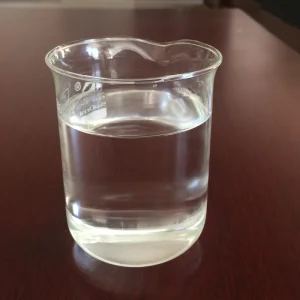
Product Characteristics: Formaldehyde is a colorless liquid, easily polymerized, and readily soluble in water, alcohol, and ether. It is rapidly oxidized to formic acid in air, acting as a strong reducing agent. Its boiling point is -19℃, freezing point -118℃, and relative density to air is 1.067.
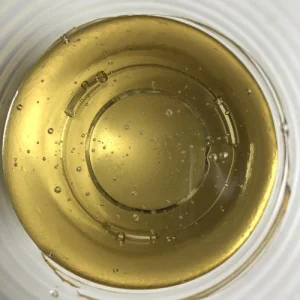
Commercially, it is supplied in liquid form as formalin, a 37-50% formaldehyde solution with a small amount of methanol added as a polymerization inhibitor. The solution is milky white and has a foul odor. Formalin readily vaporizes, releasing formaldehyde gas. Its boiling point is 96℃, relative density is 0.815/-20℃, and flash point is 55℃.
Primary Industrial Application: Critical precursor in the synthesis of high-durability resins, adhesives, and key intermediates for elastomeric coatings and thermosets.
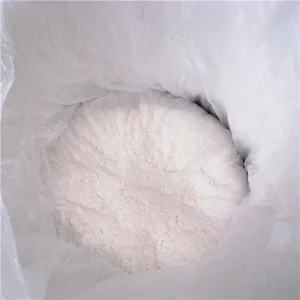
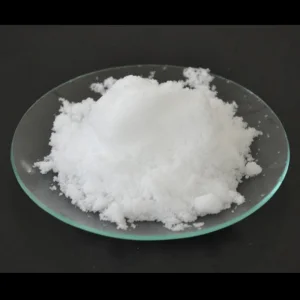
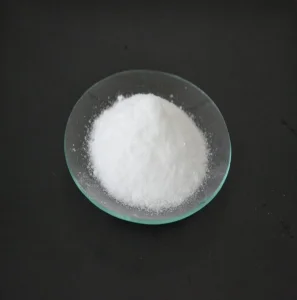
Product Overview: Hexamethylenetetramine, also known as hexamine or HMTA, is a white crystalline powder produced by the condensation reaction of formaldehyde and ammonia. It is a versatile organic chemical intermediate widely used in industrial manufacturing, pharmaceutical synthesis, rubber processing, and analytical chemistry.
Primary Industrial Application: Functions as a curing agent (cross-linker) in phenolic resins and as an accelerator in vulcanizing rubber compounds, directly contributing to the structural integrity of flex rubber formulations.
Product Features: A white powdery solid with a flammable odor of formaldehyde. It is a linear polymer of formaldehyde with no fixed melting point.
| Item / Specification | High-Grade Spec | Standard Spec |
|---|---|---|
| Appearance | White powder/solid | White powder/solid |
| Content | ≥96% | ≥92% |
| Solubility | ≤40 minutes | ≤40 minutes |
| Formic Acid | ≤0.05% | ≤0.05% |
| pH Value | 5-7 | 5-7 |
Primary Industrial Application: Used as a convenient, high-purity source of formaldehyde in synthesis where water content must be strictly controlled, such as in the synthesis of specialty polyethers and coating additives.
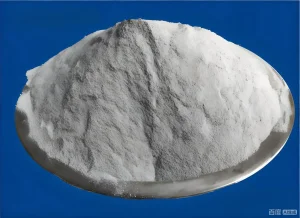
Technical Overview: Produced via advanced gas atomization technology, ensuring high sphericity, narrow particle size distribution, and a clean, oxidation-resistant surface. Combining aluminum and magnesium in a spherical morphology yields exceptional reactivity, high energy density, and superior flowability.
Primary Industrial Application: Extensively utilized in aerospace propellants, high-performance metallurgy, specialized pyrotechnics, and as an additive in advanced composite materials requiring elevated strength-to-weight ratios.
How YANXA addresses the complex demands of logistics, regulatory compliance, and customized synthesis for global enterprises.
Handling chemical compounds requires strict compliance with international frameworks like REACH, RoHS, and GHS. YANXA ensures all shipments are backed by accurate Safety Data Sheets (SDS), Certificates of Analysis (COA), and complete customs documentation.
Different application environments require modified physical properties. Whether you need lower viscosity for spray applications or higher carboxyl content for increased metal adhesion, our R&D partners can adjust molecular architectures to fit your process line.
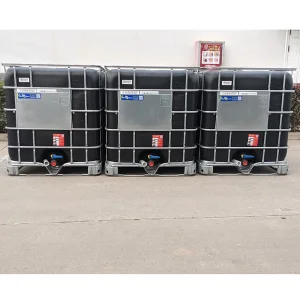
Specialty chemicals often require specialized storage and transport conditions. We utilize certified hazardous goods packaging, temperature-controlled shipping containers, and reliable carrier networks to ensure complete product safety during transit.
Discover our full catalog of liquid rubbers, specialty polyethers, high-purity industrial gases, and alloy powders.
Find answers to common questions regarding our chemical products, wholesale logistics, pricing policies, and technical support.
 Yanxatech