Direct supply from ISO-certified production facilities. Tailored molecular weights and purity grades.
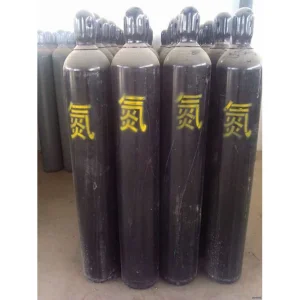
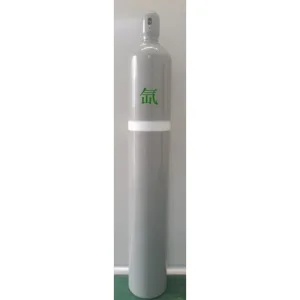
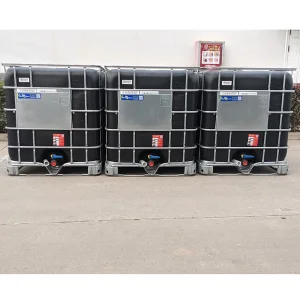
Established in 2008, YANXA began as a highly specialized small-scale research and supply business unit. Driven by a relentless passion for providing technical-grade chemical solutions, we have steadily grown into a premier supplier of specialty materials in China, integrated deeply with international industrial sectors.
Over the past decade, we have established robust strategic alliances with top-tier research academies, engineering labs, and leading chemical manufacturers in China. Our operational core centers around three primary material classes: liquid rubbers (HTBN, ATBN, LSBR, and Liquid Butyl systems), technical-grade nitrates, and atomized spherical metallic powders.
Underpinning every metric of our global chemical supply chain.
A deep look into molecular architectures, customized reactive end-groups, and low-VOC processing pathways.
Liquid Butyl Rubber (LBR) represents a significant evolutionary step in elastomer technology. By limiting the molecular weight distribution ($M_w/M_n$) to tight parameters and keeping it in a liquid state at ambient temperatures, manufacturers bypass the traditional high-energy compounding processes. Traditional solid butyl rubber requires heavy mastication and high temperatures, while LBR can be blended with low-shear mixers, conserving substantial operating power.
Our collaborative production processes utilize advanced cationic polymerization techniques. By regulating the copolymerization ratio of isobutylene with isoprene, we produce high-viscosity liquid systems that exhibit the iconic gas impermeability and chemical resistance of solid butyl rubber, but with immediate reactivity. The option for halogenation (chlorination or bromination) further opens paths to co-vulcanization with unsaturated elastomers like NR, SBR, and EPDM.
Developing silane-terminated and maleated liquid butyl polymers to permit fast moisture-cure reactions without requiring heat-activated sulfur packages.
Scaling up the usage of bio-isobutene to reduce the overall carbon footprint of our base elastomer formulations, targeting Net-Zero compliance requirements.
Integrating exfoliation methods directly during the polymerization phase to achieve unprecedented barrier efficiency for hydrogen gas storage.
Engineered performance parameters designed to meet extreme service conditions across diverse sectors.
Liquid butyl rubber forms the baseline for high-performance architectural sealants. Its high moisture vapor transmission resistance (MVTR) guarantees waterproof barriers in structural glazing, vapor retarder layers, and self-adhering flashing tapes. It remains flexible down to -40°C and avoids sag up to 90°C.
With the emergence of Electric Vehicles, noise, vibration, and harshness (NVH) mitigation is paramount. Liquid butyl polymers are highly effective for acoustic damping pads and cell-to-pack thermal/structural sealants, ensuring excellent electrical insulation and vibration absorption.
Liquid rubber structures (especially HTBN and ATBN copolymer derivatives) act as crucial plasticizing binders in energetic materials, solid propellants, and impact-resistant electronics encapsulation. They withstand structural deformation and prevent micro-cracking.
Optimized production paths that secure supply stability even under volatile global conditions.
By leveraging advanced process automation and proximity to major raw monomer clusters, YANXA's production partners deliver outstanding consistency at competitive wholesale rates. Our partner plants operate under strict ISO 9001:2008 and ISO 14001 guidelines to optimize energy usage and yield profiles.
This localized cluster model minimizes transit times for raw chemical feeds, insulating YANXA against global feedstock price shocks. For international buyers, this equates to consistent price structures and reliable shipping lead times (20-30 days for bulk production runs). Our direct links to deepwater ports in Shanghai, Ningbo, and Qingdao facilitate seamless transitions from domestic reactors to ocean containers.
Ensuring cross-border compliance, precise chemical registration, and robust environmental stewardship.
Navigating international regulatory frameworks is critical. YANXA ensures all exported materials are fully compliant with target market regulations. We provide extensive support for registration requirements, including:
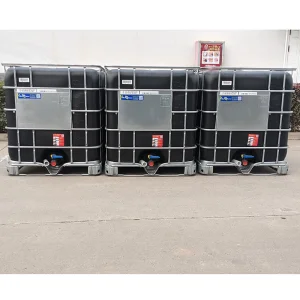
Specialty chemicals present safety concerns during transit. Our logistics framework ensures hazardous goods are packed and labeled in compliance with maritime dangerous goods regulations (IMDG code):
Review the specific properties and performance parameters of our main production lines.
Highly reactive chemical building block utilized in phenolic, urea, and melamine resins.
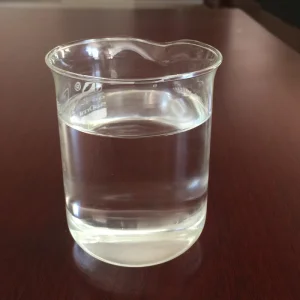
Product Characteristics: Formaldehyde is a colorless, highly reactive gas supplied commercially as formalin, a 37-50% aqueous solution containing a small percentage of methanol as a stabilizer to prevent polymerization.
| Property | Formalin (37% Solution) |
|---|---|
| Boiling Point | 96℃ |
| Relative Density | 0.815 / -20℃ |
| Flash Point | 55℃ |
| CAS No. | 50-00-0 |
Multi-functional curing agent for phenolic resins and intermediate in organic synthesis.
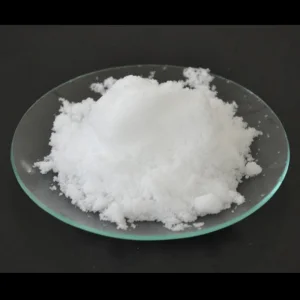
Product Overview: Produced by the condensation reaction of formaldehyde and ammonia. HMTA is a white crystalline powder widely used as a crosslinking agent in thermosetting resins, rubber compounding, and explosive formulations.
| Specification | Standard Grade Value |
|---|---|
| CAS No. | 100-97-0 |
| Molecular Formula | C₆H₁₂N₄ |
| Molecular Weight | 140.19 g/mol |
| Assay (Purity) | ≥ 99.0% |
High-purity solid polymer form of formaldehyde for water-sensitive chemical syntheses.
Product Features: A white powdery solid with a characteristic flammable odor. It is a short-chain polymer of formaldehyde with no fixed melting point, offering simplified storage and dosage control.
| Item Specification | High-Purity Grade | Standard Grade |
|---|---|---|
| Appearance | White Powder | White Powder |
| Content | ≥ 96.0% | ≥ 92.0% |
| Solubility Time | ≤ 40 minutes | ≤ 40 minutes |
| Formic Acid Content | ≤ 0.05% | ≤ 0.05% |
| pH Range | 5.0 - 7.0 | 5.0 - 7.0 |
Spherical metal and alloy powders for chemical catalysts and advanced metallurgy.
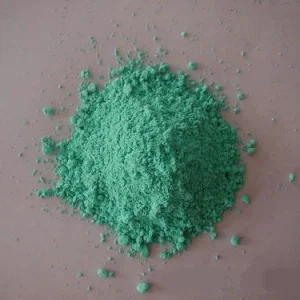
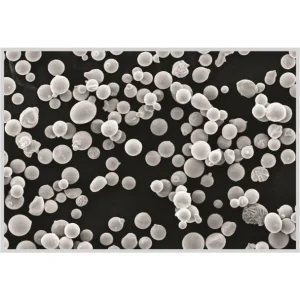
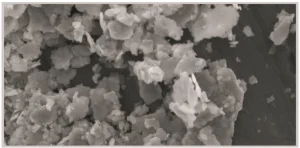
Material Application: Our product catalog includes atomized spherical aluminum-magnesium alloy powders, basic cupric nitrate, and zinc flake powders, which find key applications in protective coatings and structural metallurgy.
Find answers to common questions about logistics, quality verification, and product properties.
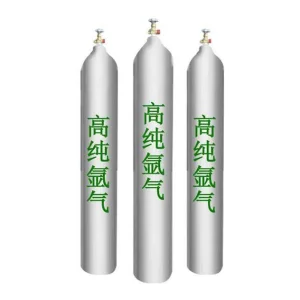
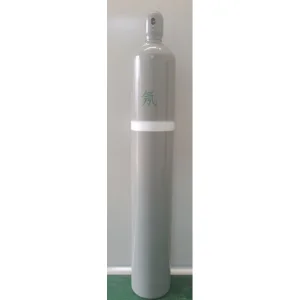
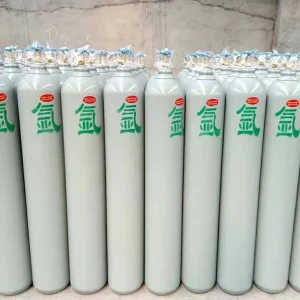
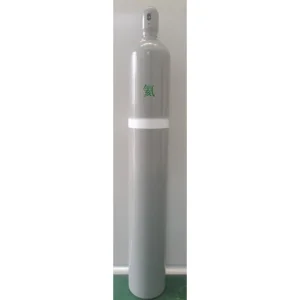
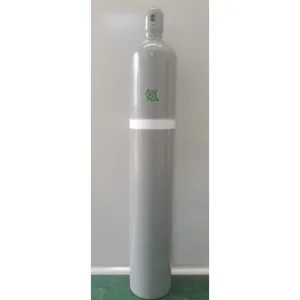
Explore our comprehensive selection of high-purity gases and engineered metallic powders.
 Yanxatech