Discover our foundational chemical portfolio, catering to global advanced materials processing, specialty gases, and salt compounds.
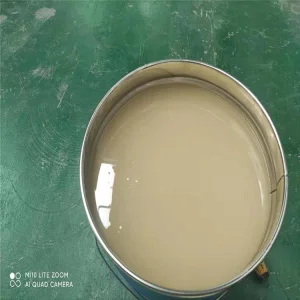
Liquid latex for molding represents a critical raw material in modern replication, industrial casting, concrete plasterwork, architectural restoration, and movie special effects (SFX). At YANXA, we analyze the micro-rheology and vulcanization curves of natural rubber emulsions to ensure that each batch delivered to wholesale buyers meets critical durability metrics.
Unlike standard latex solutions, industrial-grade molding liquid latex requires higher solid contents (usually 60% or above) to minimize shrinkage, optimize film-build thickness, and maximize tensile strength. Through precise pre-vulcanization processing, YANXA provides elastomers that balance rapid air-curing properties with high elasticity, ensuring that demolding complex undercuts does not tear the mold.
Our formulation is meticulously stabilized using optimized ammonia contents or low-ammonia alternatives to protect industrial operators while maintaining a stable shelf life under varying global logistics scenarios.
| Chemical Parameter | Standard Specification | Optimal Performance Range |
|---|---|---|
| Total Solid Content (TSC) | 60% - 63% | Minimal shrinkage during drying |
| Ammonia Content | 0.2% - 0.7% | High preservation vs Low-odor variants |
| pH Value | 9.5 - 11.0 | Prevents premature coagulation |
| Tensile Strength | ≥ 20 MPa | Resists tearing during demolding |
The international procurement landscape for specialty chemicals is shifting rapidly towards high-purity, environmentally compliant, and application-specific formulations.
Workplace safety guidelines (like OSHA in the US and REACH in the EU) push suppliers to formulate ultra-low ammonia natural rubber latex. These versions minimize volatile emission hazards in closed mold-making facilities without degrading polymer crosslinking capabilities.
With the rise of allergies related to proteins in natural rubber, many sectors are transitioning to high-durability synthetic liquid rubbers, including Amino-terminated nitrile butadiene rubber (ATBN) and carboxylated liquid rubbers (L-XNBR).
Modern tooling operations use advanced machinery to spray, brush, or cast liquid latex. Demands for optimized rheology modifiers are high, enabling mold makers to choose between thin slip-casting grades and highly thixotropic brush-on variants.
Yanxatech System Industries Limited (YANXA) is one of the growing suppliers in the field of specialty materials in China. Starting from a fledgling small business unit in 2008, YANXA is driven with the passion of developing a broad international market in the area relating to the chemical and mechanical industry.
Thanks to our team’s enduring and persistent work and our business partners’ long-lasting support, YANXA has steadily and vigorously grown into one company with excellence in delivering products and services relating to specialty chemicals. Our ISO9001:2008 certified production systems ensure that our raw materials and manufactured lots align with demanding aerospace, defense, automotive, and industrial molding standards.
"Quality, safety and efficiency prevail all the values in our business. We care what our customers’ need on the general product as well as their unique and specific requirement for the newly developed application in a timely manner. We adhere strictly to the technical requirement and make delivery in almost perfect conformity."
Cooperating with leading manufacturers and the renowned research institutes in the field of specialty chemicals in China, YANXA is capable of supplying high-demand industrial compounds, categorizing into three major divisions:
As a key driver in the global chemical value chain, we control quality parameters stringently. Below are detailed data sheets for our primary chemical intermediates:
Formaldehyde is a colorless liquid, easily polymerized, and readily soluble in water, alcohol, and ether. It is rapidly oxidized to formic acid in air, acting as a strong reducing agent.
| Boiling Point | -19°C (pure gas) / 96°C (solution) |
| Freezing Point | -118°C |
| Relative Density (Air) | 1.067 |
| Commercial Form | Formalin (37% - 50% solution, stabilized with methanol) |
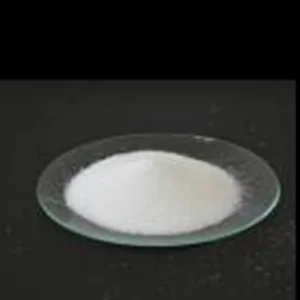
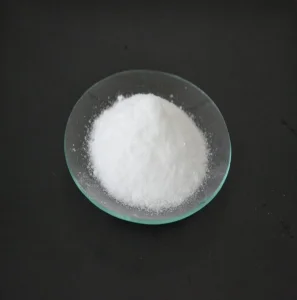
Hexamethylenetetramine, also known as hexamine or HMTA, is a white crystalline powder produced by the condensation reaction of formaldehyde and ammonia. It is widely used in curing phenolic resins, compounding rubber, and pharmaceutical synthesis.
| CAS Registry Number | 100-97-0 |
| Molecular Formula | C₆H₁₂N₄ |
| Molecular Weight | 140.19 g/mol |
| Appearance | White crystalline powder |
Paraformaldehyde is a linear polymer of formaldehyde without a fixed melting point, smelling strongly of formaldehyde monomer. Highly applicable in pesticide production, resin synthesis, and industrial chemical processing.
| Item Specifications | Premium Grade | Standard Grade |
|---|---|---|
| Appearance | White powder/solid | White powder/solid |
| Content | ≥ 96% | ≥ 92% |
| Solubility | ≤ 40 minutes | ≤ 40 minutes |
| Formic Acid | ≤ 0.05% | ≤ 0.05% |
| pH Value | 5 - 7 | 5 - 7 |
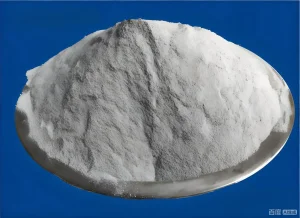
Designed for propellants, refractory linings, and complex metallurgical applications. Atomization ensures highly spherical particles which optimize flowing behavior, surface area reaction kinetics, and packing densities in dry compounds.
Sourcing wholesale chemical compounds like liquid latex, rubber additives, and specialty nitrates globally requires more than raw manufacturing capabilities. Industrial operations demand regulatory stability, thermal protection, and robust compliance.
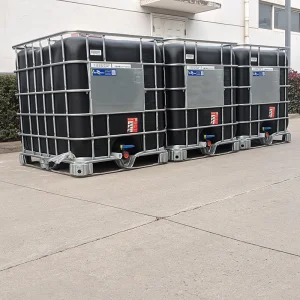
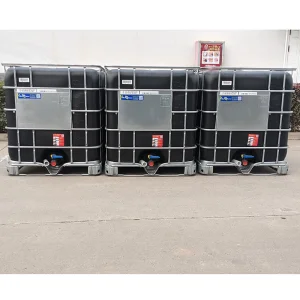
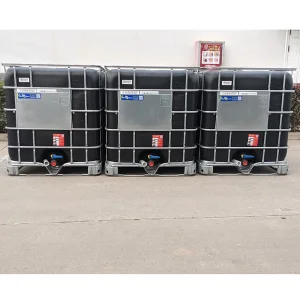
Many chemicals (such as formaldehyde and basic nitrates) fall under hazardous classifications. YANXA uses certified packaging that conforms to UN standards, deploying custom thermal insulation liners and airtight high-density polyethylene (HDPE) drums to protect shipments from cargo hold moisture and extreme thermal variations.
We provide comprehensive documentation including Certificates of Analysis (COA), Certificates of Conformance (COC), Safety Data Sheets (SDS), and certified Bills of Lading (B/L) to verify chemical purities before transport. This minimizes import delays at customs checkpoints in North America, Europe, and Asia.
Molding liquid latex contains water-based emulsions that undergo irreversible coagulation if frozen. YANXA implements active cargo routing and thermal wrapping during winter shipping seasons, advising procurement managers on thaw protocols and storage metrics to ensure the liquid matrix remains intact.
To maintain authority and industry-leading standards, our cooperative research institutes focus on the next generation of mold-making materials, latex compounds, and synthetic elastomers.
By blending colloidal silica and carbon nanotube (CNT) dispersions into pre-vulcanized natural rubber, we aim to increase tear strength by over 30% while retaining high flexibility. This allows industrial casting lines to reuse a single latex mold for hundreds of extra demolding cycles, saving substantial manual tooling costs.
Phasing out sulfur-donor vulcanizers in favor of green crosslinkers reduces carcinogenic byproduct emissions during thermal curing cycles. This eco-centric formulation targets high compliance with food-contact molding requirements and medical-grade rubber standard practices.
Complete list of specialty polyethers, liquid rubbers, nitrate compounds, and carbon devices curated for modern manufacturing processes.
Providing direct answers to industrial buyers' technical questions on pricing, packaging, shipping logistics, and material quality standards.
 Yanxatech