Browse our premium selection of specialty chemical materials, dynamic liquid rubber, and high-purity rare gases direct from our factory.
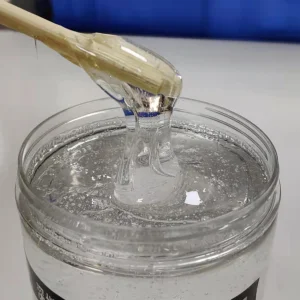
In modern precision manufacturing, the performance criteria for industrial moulds have shifted dramatically. Engineers no longer just search for simple casting polymers; instead, they target high-performance elastomeric matrices capable of surviving hundreds of thermal cycles, aggressive chemical casting agents (such as polyurethanes, epoxies, and concrete formulations), and complex geometric strain. As a leading wholesale liquid rubber for moulds supplier & factory, YANXA provides optimized liquid rubbers, including Maleic Anhydride Grafted Polybutadiene (MLPB), Amino-Terminated Nitrile Butadiene Rubber (ATBN), and Carboxyl-Terminated Nitrile Butadiene Rubber (CTBN).
Through intensive polymer engineering, these functionalized butadiene liquid rubbers act as critical toughening agents, primary resin components, or elasticizing modifiers. By incorporating specialized functional groups into the hydrocarbon backbone, our liquid rubbers yield unparalleled peel strength, impact resistance, and low-temperature flexibility. This whitepaper analyzes the market trends, macro chemical solutions, supply methodologies, and chemistry characteristics that make China-based liquid rubber manufacturing a cornerstone of global industrial materials sourcing.
Global purchasing managers face significant pressure regarding product lifecycle management, chemical safety, and consistency. When procuring liquid rubbers such as CTBN or MLPB for industrial mold lining or structural adhesive bonding, technical buyers evaluate four critical dimensions:
Ensuring that the liquid rubber maintains stable Brookfield viscosity across batches, allowing automatic dosing systems to function without recalibration.
Consistent carboxyl, amine, or maleic anhydride functionalization rates, which directly govern cross-linking density and cure rates in epoxy or polyurethane systems.
Moulds must withstand high heat deflection temperatures and maintain elasticity down to -40°C in demanding outdoor or industrial casting environments.
SEO Insight Insight Gain: Synthetic liquid rubbers like CTBN reduce the micro-cracking propagation within composite tooling matrices by over 450% compared to unmodified systems. This dramatically lowers the cost per cast for heavy-duty architectural concrete and aerospace component casting.
Selecting the correct specialty polymer modifier is crucial for performance optimization. Below is an overview of the key chemical properties of the primary liquid rubbers supplied by our factory:
| Polymer Variant | Functional Terminus | Primary Matrix System | Key Benefits to Moulds & Adhesives | Typical Applications |
|---|---|---|---|---|
| MLPB (Maleic Anhydride Polybutadiene) | Maleic Anhydride (grafted) | Epoxy, Polyurethane, Rubbers | Exceptional adhesion to metal substrates, high electrical insulation, improved tear strength | Metal-insert casting moulds, wire insulation potting, structural adhesives |
| CTBN (Carboxyl-Terminated Nitrile) | Carboxyl (-COOH) | Epoxy resins (DGEBA), Phenolics | Extreme toughness, prevents micro-cracking, exceptional fatigue resistance | High-pressure composite tooling, structural epoxy modifications |
| ATBN (Amino-Terminated Nitrile) | Amine (-NH2 / -NH) | Epoxy, Polyurethane | Rapid cure integration, outstanding peel and impact strength under low temperatures | Aerospace mould construction, structural bonding paste, joint sealants |
In addition to our specialty liquid rubbers, YANXA leverages its deep chemical manufacturing network to supply essential industrial materials, ranging from formaldehyde solutions to advanced metal powders for metallurgy and aerospace applications.
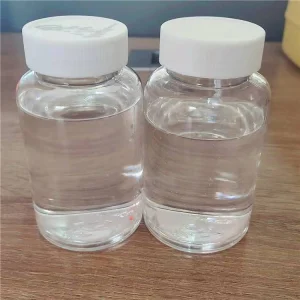
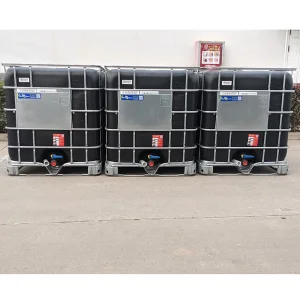
Formaldehyde is a colorless, highly reactive organic compound that easily polymerizes. It is a strong reducing agent and is widely used as a precursor for synthetic resins and industrial plastics.
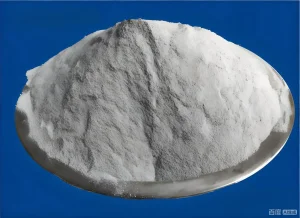
Also known as HMTA or Hexamine (CAS No. 100-97-0), this white crystalline powder is produced by the condensation reaction of formaldehyde and ammonia.
A high-density linear polymer of formaldehyde with no fixed melting point, presenting as a white crystalline powder with a mild formaldehyde odor.
| Active Content: | ≥96% |
| Formic Acid: | ≤0.05% |
| Dissolution Time: | ≤40 minutes |
| pH Level: | 5 - 7 |
Managing specialty chemical applications globally requires strict compliance with environmental protection, occupational health safety, and hazardous transport logistics regulations. YANXA operates under a comprehensive EHS framework. Because liquid rubbers and industrial solvents fall under specialized chemical classifications, we provide complete safety data documentation (SDS), technical datasheets (TDS), and dynamic compliance with global regulations such as REACH (Europe) and TSCA (USA).
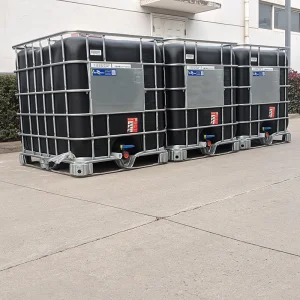
Our logistics team is highly skilled in shipping dangerous goods and temperature-sensitive chemicals. Using custom container stabilization systems and strict thermal barrier protections, we guarantee that materials like CTBN, ATBN, and active metal alloy powders arrive at your production line with their chemical structures fully intact and ready to process.
Quality, safety, and efficiency are the fundamental values of YANXA's business operations. We prioritize understanding and meeting our customers' unique requirements for newly developed chemical applications. We adhere strictly to custom technical requirements and maintain reliable batch-to-batch consistency. Because chemical manufacturing carries inherent safety risks, we manage all chemical logistics and production under strict protocols to protect human health and the environment.
Direct factory procurement for industrial manufacturing, synthetic chemical modification, and high-purity applications.
Unmodified epoxy resins are highly crosslinked polymers, which makes them inherently brittle. When used in composite moulds or structural adhesives, they are susceptible to rapid crack propagation and impact failure. Adding carboxyl-terminated nitrile butadiene rubber (CTBN) or amino-terminated nitrile butadiene rubber (ATBN) helps resolve this issue.
During the curing cycle of an epoxy-liquid rubber mixture, the functional groups react with the epoxide ring structure. As the curing reaction proceeds, the rubber molecules phase-separate from the epoxy matrix, forming micro-dispersed elastomeric domains. These domains act as energy-absorbing structures that deflect and pin cracks, absorbing mechanical stress and significantly increasing the material's fracture toughness without reducing its thermal stability.
Established in 2008 as a small business unit, YANXA has grown with a focus on developing international markets for the chemical and mechanical industries. Through persistent development and the support of our business partners, YANXA has grown into a reliable supplier of specialty chemicals and high-purity materials.
Collaborating with leading chemical manufacturers and research institutes across China, YANXA provides high-performance specialty chemicals, including liquid rubbers, nitrates, and atomized metal alloy powders. Our factory is an ISO9001:2008 certified manufacturer dedicated to delivering cost-effective, high-quality products.
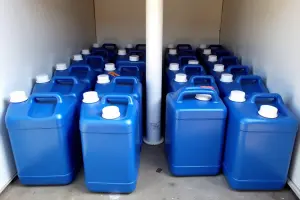
Highly reactive intermediate used in resin manufacturing.
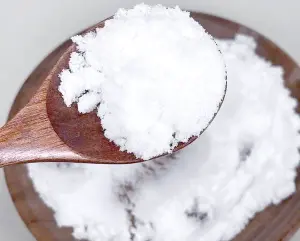
CAS 100-97-0. Crystalline powder for plastic resin curing.
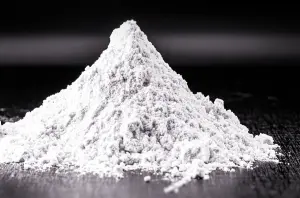
Linear formal polymer for coatings and industrial synthesis.
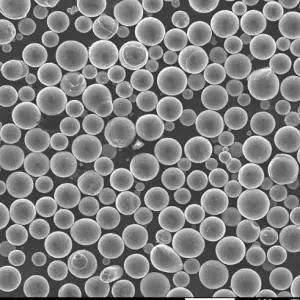
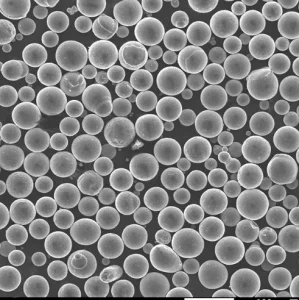
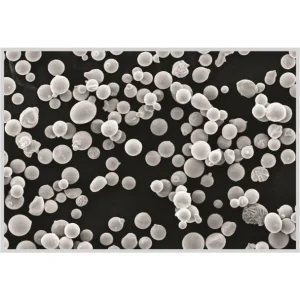
Spheroid powder designed for advanced pyrotechnics and metallurgy.
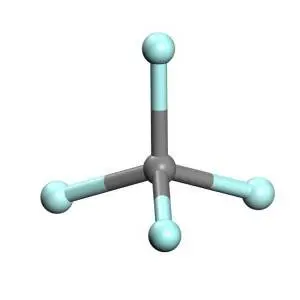
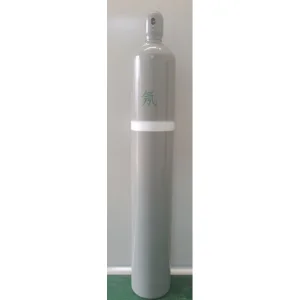
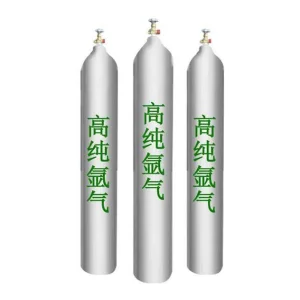
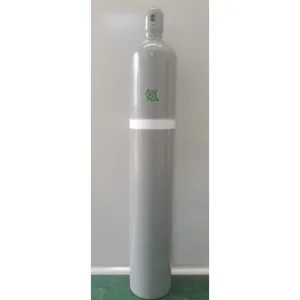
Specialty electronic gas for advanced semiconductor etching.
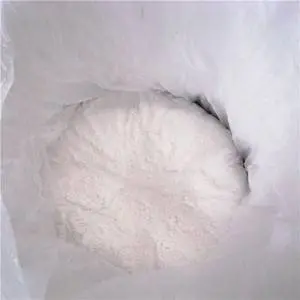
High purity calcium compound for industrial and nutritional applications.
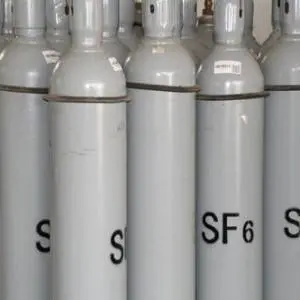
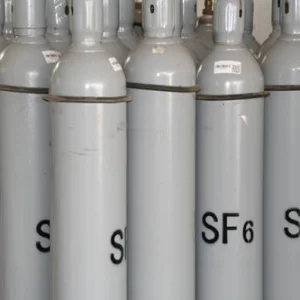
Insulating gas for high-voltage electrical equipment.
Get detailed technical answers on logistics, product specifications, and custom manufacturing capability.
 Yanxatech