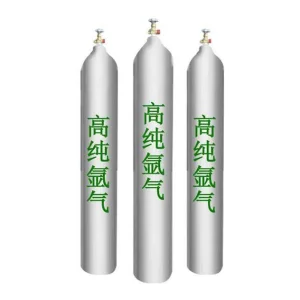
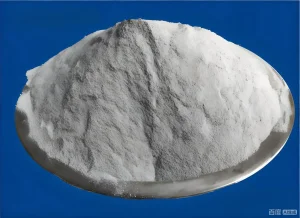
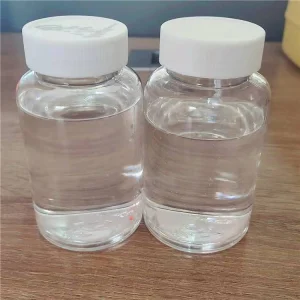
Explore our primary chemical grades, high-purity industrial gases, liquid rubbers, and metallic powders formulated for advanced industrial coatings.
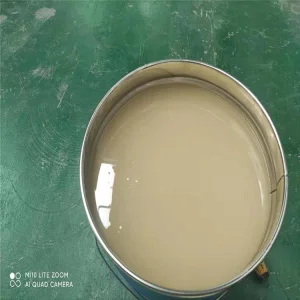
The global infrastructure sector faces escalating structural threats from aggressive climate change patterns, high chemical contamination, and urban expansion. Industrial systems rely heavily on seamless protective barriers. Fluid-applied liquid rubberized coatings have emerged as the premier technology to combat water ingress, carbonation, thermal cracking, and chemical corrosion in reinforced concrete and steel structures.
These advanced liquid-applied membranes find major application in industrial wastewater plants, bridge decks, chemical storage bunds, and mining infrastructure. By utilizing customized elastomer backbones, such as maleic anhydride grafted polybutadiene (MLPB) and carboxyl-terminated nitrile butadiene rubber (CTBN), formulation scientists can tune the coating's elasticity, adhesion profile, and glass transition temperature to survive in the most hostile deployment environments.
Eliminates structural joints and seams, the most common entry points for water, chlorides, and corrosive gases.
Allows over 800% elongation, enabling dynamic crack bridging across structural concrete during temperature swings.
Year Established
Certified Management
Global Export Markets
Quality Guarantee & Inspection
A premier, technology-driven developer and global supplier of high-performance specialty chemicals, functional additives, and industrial coatings.
Founded as a fledgling, specialized business unit in 2008, Yanxatech System Industries Limited (YANXA) has grown with a core passion for developing international markets within the mechanical and chemical sectors. Through years of persistent research, strategic supplier alliances, and close collaboration with leading research institutes in China, YANXA has built an outstanding reputation. Today, we deliver high-performance specialty chemicals, industrial coatings, and raw materials that adhere strictly to international quality and environmental standards.
Chemical supply chains expose workers and operations to inherent hazards. We prioritize safety and regulatory compliance across all logistics, processing, and handling procedures to safeguard people and ecosystems.
Partnering with academic institutions, we customize molecular weights, grafting ratios, and curing properties for special polymers like MLPB and CTBN to meet our clients' target specifications.
Operating under ISO9001:2008 frameworks, our manufacturing partners use state-of-the-art analytical equipment to run batch-by-batch testing, providing complete COA/COC documentation.
How synthetic polymers, modifier resins, and metallic powders interact within high-durability liquid rubberized coating matrixes.
The performance of a liquid rubberized coating is determined by its base polymer chemistry. YANXA specializes in supplying functional monomers and liquid rubbers that serve as the foundation of modern coatings:
To achieve chemical resistance and reflect solar radiation, formulations incorporate specialty metallic powders:
Additionally, chemical precursors like Formaldehyde, Hexamine (HMTA), and Paraformaldehyde are critical crosslinking agents for phenolic and amino resin systems. These components ensure the coating achieves the hardness, chemical barrier properties, and curing speeds required for heavy-duty marine and industrial environments.
| Polymer Base / Modifier | Key Chemistry Spec | Primary Benefit in Coating Formulation | Ideal Application Scenario |
|---|---|---|---|
| MLPB (Maleic Anhydride Polybutadiene) | Maleated polybutadiene with varying anhydride content | Unmatched chemical adhesion to damp concrete and metal surfaces | Industrial water containment & secondary bunds |
| CTBN (Carboxyl Terminated Nitrile) | Carboxyl groups at polymer terminals | Enhances impact resistance, fracture toughness, and low-temp flex | High-stress structural movement joints & marine coatings |
| LSBR (Liquid Styrene Butadiene) | Emulsion/solution polymerized low viscosity SBR | Balances elastic recovery with cost-efficiency | Commercial roofing, podium decks, and basement walls |
| Specialty Polyethers (PET Grades) | Medium to high molecular weight polyoxyethylene glycols | Adjusts open time, tensile modulus, and moisture-cure triggers | Polyurethane-modified elastomeric waterproof membranes |
| Aluminum Flake Powder | High purity metallic particles, leafing/non-leafing | UV light reflection, barrier creation, and thermal insulation | Exposed metal roofs & cold storage tank coatings |
Navigating regional environmental mandates and local building codes for high-solid elastomeric protective systems.
Regulatory standards like SCAQMD Rule 1113 in California and the European Union's REACH directives restrict volatile organic compounds. YANXA supports manufacturers in designing high-solid or waterborne liquid rubber coatings that lower volatile emissions while maintaining high elastic strength.
Whether dealing with the high humidity of Southeast Asia or the sub-zero winters of Northern Europe, liquid rubber coatings must cure reliably. Choosing the right polyether molecular weights and catalyst packages ensures predictable setting times across diverse temperature ranges.
Industrial coatings protect concrete structures from carbonation and steel rebars from chloride damage. Formulating with high-quality MLPB and CTBN liquid rubbers creates a dense, hydrophobic layer that keeps aggressive chemical compounds out of structural substrates.
Standard test method for vulcanized rubber and thermoplastic elastomers in tension. Confirms maximum elongation and tensile strength properties.
Measures high-solids, cold liquid-applied elastomeric waterproofing membranes for crack-bridging capability, ensuring they withstand joint movement.
European standard for concrete surface protection systems. Evaluates gas permeability, water vapor transmission, and freeze-thaw durability.
Technical profiles for key precursor chemicals, additives, and specialized compounds managed by YANXA.
A highly reactive organic compound, commercialized as a 37-50% aqueous solution (Formalin). Contains a small percentage of methanol to inhibit spontaneous polymerization.
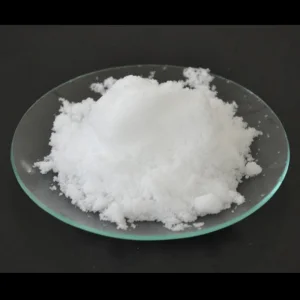
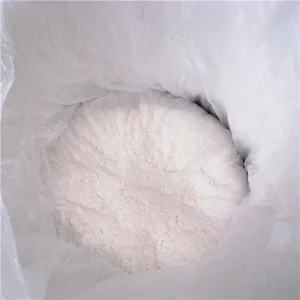
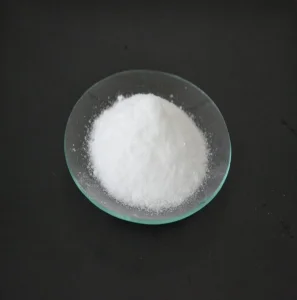
A white crystalline powder produced by reacting formaldehyde with ammonia. It is a versatile organic chemical intermediate.
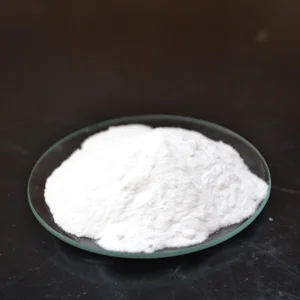
The solid polymer form of formaldehyde, characterized by its flammable formaldehyde odor. Shows high reactivity when depolymerized.
| Property | Grade 96% | Grade 92% |
|---|---|---|
| Purity | ≥ 96.0% | ≥ 92.0% |
| Formic Acid | ≤ 0.05% | ≤ 0.05% |
| PH Range | 5.0 - 7.0 | 5.0 - 7.0 |
A look at upcoming coating innovations, bio-based raw materials, and smart self-healing polymer matrices.
Formulators are actively replacing petrochemical-derived liquid rubbers with bio-based diols and natural oils. Developing sustainable variants of MLPB and polybutadiene rubber keeps emissions low and reduces dependence on fossil raw materials without sacrificing the coating's stretchability.
Integrating micro-encapsulated polymers or reversible Diels-Alder chemistry allows tomorrow's coatings to repair micro-cracks autonomously. When water triggers the capsules or temperature changes activate the polymers, the material repairs itself, extending the coating's lifespan.
Adding conductive carbon black or spherical metal alloys makes it possible to monitor structural stress levels electronically. Changes in electrical resistance warn maintenance teams of cracks or moisture penetration long before visible damage occurs.
Refined aluminum powders and nanoceramic pigments are being blended directly into liquid rubber coatings. These advanced formulas block solar radiation, lowering building temperatures and reducing air conditioning energy usage in hot climates.
Clarifying procurement dynamics, shipping logistics, payment terms, and custom specifications for global buyers.
A: Our wholesale prices fluctuate based on the cost of raw chemical feedstocks, global energy tariffs, shipping rates, and exchange rates. To get an accurate, firm quote, please contact our export sales desk with your target specifications, order volume, and destination port. We will issue a detailed quote based on current market rates.
A: Yes, we require minimum order quantities for all direct international shipments to optimize maritime freight costs. The MOQ depends on the specific product class (such as liquid rubber, metal powders, or specialized nitrates). If your project requires smaller trial volumes, please contact our team to discuss potential regional distributor arrangements or sample shipping options.
A: Absolutely. Every batch shipped from our partner facilities comes with a comprehensive Certificate of Analysis (COA) and Certificate of Conformance (COC) verifying chemical purity, viscosity, solids content, and moisture limits. We also supply Safety Data Sheets (SDS), export customs clearances, certificates of origin, and marine cargo insurance policies upon request.
A: For standard laboratory or qualification samples, our typical preparation time is approximately 7 working days. For bulk container production runs, manufacturing lead time ranges between 20 to 30 calendar days following official order placement and deposit clearance. Once production is complete, marine transport transit times depend on the destination port.
A: We accept payments through Telegraphic Transfer (T/T), structured as a 30% advance deposit to initiate production, with the remaining 70% balance payable upon presentation of the Bill of Lading (B/L) copy. We also accept Confirmed, Irrevocable Letters of Credit (L/C) at sight for large-scale municipal or corporate procurement contracts.
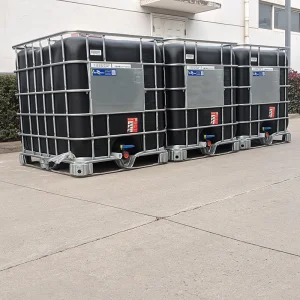
A: We use heavy-duty UN-approved packaging designed for international chemical cargo. For moisture-sensitive products or hazardous compounds (such as high-purity gases and active metal powders), we employ vacuum-sealed drums, inert gas purging, and temperature-monitored dry containers to prevent moisture exposure and maintain product stability throughout transit.
Access detailed technical brochures and request direct factory price lists for all available materials.
 Yanxatech