Explore YANXA's top-tier industrial materials, featuring high-purity metal powders, specialty polymers, and advanced catalysts
An in-depth chemical and material science analysis of a vital industrial polymer matrix
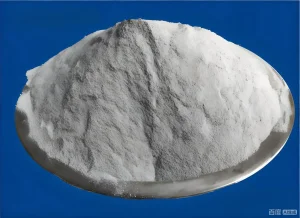
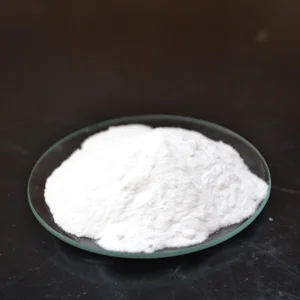
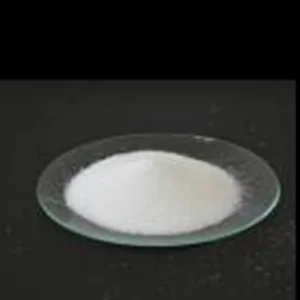
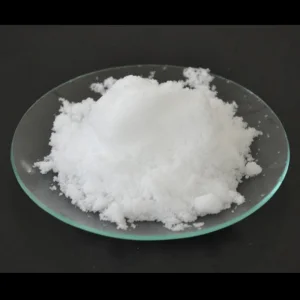
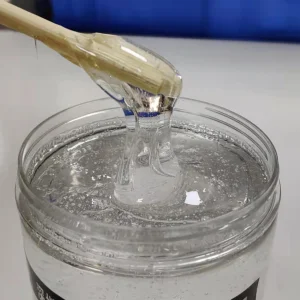
Polyethylene Glycol 6000 (PEG 6000), characterized by the general formula $H-(O-CH_2-CH_2)_n-OH$ where $n$ represents the average number of oxyethylene groups, is a non-ionic hydrophilic polyether compound. At room temperature, it presents as a solid, white, waxy substance, which is available in various physical formats such as flakes, powder, or granular shapes. The designation "6000" corresponds to its average molecular weight distribution, falling precisely within the range of 5400 to 6600 g/mol. This unique molecular range endows the polymer with a distinct rheological, solubility, and thermal stability profile that bridges the properties of lower liquid-phase PEGs and higher high-polymer resins.
SEO Keyword Insights: Global pharmaceutical, coating, and rubber manufacturing operations prioritize PEG 6000 due to its minimal toxicity, superior water solubility, and chemical stability under varied temperature profiles.
The chemical synthesis of PEG 6000 requires the controlled polymerization of ethylene oxide in the presence of water, ethylene glycol, or diethylene glycol catalysts. By rigorously monitoring the reaction environment (temperature, pressure, and catalyst ratios), manufacturers ensure a narrow polydispersity index (PDI). A narrow PDI is crucial for applications that demand consistent viscosity and melting parameters, such as drug formulations, binders in advanced metal powders, and additives in rubber processing systems.
| Physical/Chemical Parameter | Standard Specification (USP/EP Grade) | Testing Methodology |
|---|---|---|
| Average Molecular Weight Range | 5,400 – 6,600 g/mol | Gel Permeation Chromatography (GPC) |
| Appearance (at 25°C) | White Flakes / Powder | Visual Assessment |
| Hydroxyl Value | 16.0 – 22.0 mg KOH/g | Titrimetric Analysis |
| Solidifying Point | 55°C – 60°C | Capillary Melting / Rotational |
| Viscosity (at 99°C, 50% aqueous solution) | 470 – 900 mPa·s | Brookfield Rotational Viscometer |
| pH (5% Aqueous Solution) | 5.0 – 7.5 | Electrometric pH Metry |
| Ethylene Oxide & 1,4-Dioxane Residue | < 1 ppm / < 10 ppm | Headspace Gas Chromatography (GC-FID) |
Established in 2008 as a focused specialty materials business unit, Yanxatech System Industries Limited (hereinafter referred to as YANXA) has grown into a leading supplier of chemical materials in China. Powered by a commitment to the global chemical market, YANXA delivers specialty chemicals to industrial and pharmaceutical manufacturers worldwide.
YANXA's core philosophy prioritizes quality, safety, and efficiency. Partnering with top-tier domestic manufacturers and research institutes, the company distributes liquid rubbers, nitrates, high-purity metal powders, and customized specialty polyethers. This extensive capability ensures that bulk chemical buyers receive consistent products tailored to their technical requirements.
Our Business Philosophy: Quality, safety, and efficiency prevail over all other values in our business. We adhere strictly to technical requirements to ensure almost perfect conformity in every delivery.
Key drivers changing the global supply chain, regulatory landscape, and manufacturer capabilities
High-performance chemical buyers now actively request bio-based ethylene glycol feedstocks. Sourcing renewable resources helps reduce the carbon footprint of industrial-grade PEG products.
Compliance systems like REACH, FDA USP, and European Pharmacopoeia (EP) require manufacturers to supply comprehensive regulatory dossiers and trace residual elements like ethylene oxide.
Modern B2B procurement operations are moving away from single-source dependencies. Partnering with verified manufacturers like YANXA ensures reliable supply pipelines and prevents unexpected production halts.
These market shifts require manufacturers to implement strict process controls and scale up production capacity. Under YANXA's business philosophy, we ensure that batch processing of materials (from specialized polyethers and liquid rubbers to advanced metal alloy powders) aligns with global compliance protocols. Our ISO-certified production lines utilize computerized synthesis pathways to yield highly uniform molecular weight distributions.
Analyzing how Polyethylene Glycol 6000 acts as a core processing aid across diverse material science disciplines
Due to its dual hydrophilic and polymer matrix characteristics, Polyethylene Glycol 6000 serves as a critical component in several specialized industries. Below is a detailed breakdown of how PEG 6000 integrates into key global manufacturing sectors:
In solid dosage formulations, PEG 6000 is widely used as a water-soluble matrix to improve the dissolution rate and bioavailability of poorly water-soluble active pharmaceutical ingredients (APIs). Its low melting point makes it suitable for hot-melt extrusion and solid dispersion techniques. In tablet compression, it serves as a dry binder, lubricant, and plasticizer within film-coating formulations to prevent capping.
In elastomer processing, PEG 6000 acts as a vulcanization activator and internal lubricant. When combined with synthetic liquid rubbers—such as Liquid Styrene Butadiene Rubber (LSBR) and Random Carboxy Nitrile Butadiene Rubber (L-XNBR)—PEG 6000 helps optimize the dispersion of carbon black and silica fillers, reducing mixing times and improving the tensile strength of the vulcanized rubber.
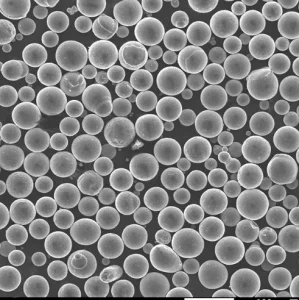
During green-state molding of atomized metal powders, PEG 6000 is used as a temporary binder. It facilitates shape retention in compacted parts made from Atomized Spherical Aluminum Magnesium Alloy Powder, Aluminum Flake Powder, and Zinc Flake Powder. During subsequent sintering stages, PEG 6000 thermal-decomposes cleanly with minimal carbon residue, ensuring high density in the finished metal components.
In paper production, PEG 6000 functions as a coating agent to improve surface gloss and printability. In textile processing, it serves as an anti-static agent and soft finisher. Additionally, cosmetic formulations utilize its humectant properties and high molecular weight to build viscosity and structure in creams, lotions, and specialized skincare formulations.
Securing the B2B supply chain through standard testing, hazardous-handling protocols, and customized packaging
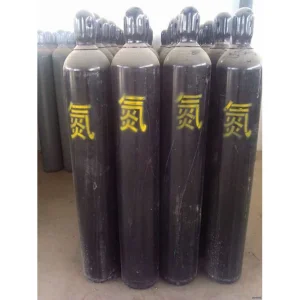
Shipping specialty chemicals globally requires strict adherence to international safety and customs frameworks. Materials like nitrates and compressed industrial gases require specialized handling procedures. At YANXA, we utilize robust packaging protocols to ensure safe transport.
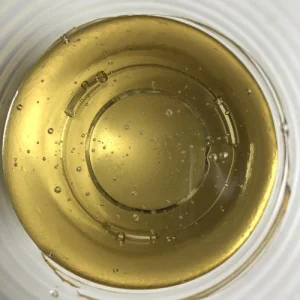
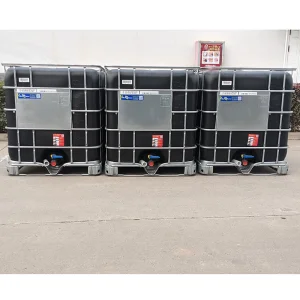
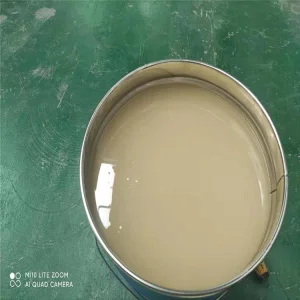
Our packaging includes moisture-barrier composite paper-plastic bags and fiber drums for solid PEG 6000 and metal powders, protecting them from ambient moisture during ocean shipping. Liquid rubbers are packed in steel drums or ISO tanks with temperature controls to prevent oxidation or phase separation during transit.
Technical Documentation: Every shipment of industrial-grade PEG 6000 includes a comprehensive Certificate of Analysis (COA), Safety Data Sheet (SDS) compliant with GHS regulations, and certificate of origin documents to streamline customs clearance.
Developing next-generation block copolymers and high-purity PEG derivatives
The production of Polyethylene Glycol 6000 is shifting toward narrower molecular weight distributions and cleaner manufacturing methods. YANXA continues to collaborate with specialty chemical laboratories in China to evaluate advanced polymerization technologies:
Clear, direct answers regarding pricing, supply capacity, quality standards, and logistics systems
Complete your supply chain with our range of high-purity gases, alloy powders, and liquid rubber polymers
 Yanxatech