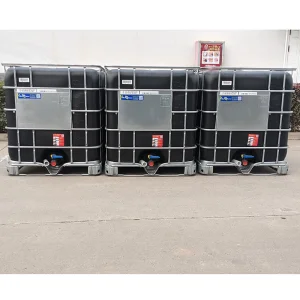
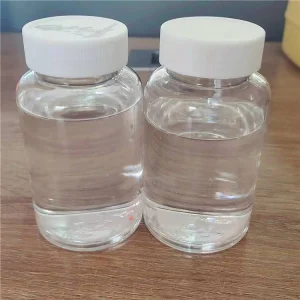
Explore our certified specialty chemical list, featuring high-purity salts, advanced liquid rubbers, and metallic powders engineered for demanding industrial and formulation requirements.
Polyethylene Glycol (PEG), a synthetic, hydrophilic polyether compound, has become a cornerstone of contemporary pharmaceutical formulation and drug delivery design. Known under various pharmacopoeial nomenclatures as Macrogol, PEG’s chemical structural formula—expressed as H-(O-CH₂-CH₂)ₙ-OH—confers exceptional physical and chemical characteristics that make it indispensable in liquid, semi-solid, and solid dosage forms.
From low molecular weight polymers (like PEG 200, 400, and 600) acting as superior solubilizers in soft gelatin capsules, to high molecular weight variants (such as PEG 3350, 4000, 6000, and 8000) serving as safe osmotic laxatives and tablet binders, PEG allows manufacturers to fine-tune dissolution profiles and active pharmaceutical ingredient (API) stability. Under strict pharmaceutical GMP conditions, PEG synthesis ensures minimal polydispersity indices and near-zero traces of ethylene glycol and diethylene glycol impurities, aligning directly with USP-NF, Ph. Eur., and ChP specifications.
As the pharmaceutical industry transitions toward complex biologics and targeted delivery mechanisms, the strategic utilization of ultra-pure PEG compounds has surged. Consequently, securing a certified wholesale manufacturing partner is essential for pharmaceutical developers aiming to stabilize their global supply chain without compromising on chemical purity or regulatory documentation.
Every batch of pharmaceutical-grade Polyethylene Glycol supplied by YANXA is accompanied by comprehensive documentation, including Certificates of Analysis (COA), Certificates of Conformance (COC), BSE/TSE-free statements, and regulatory filings adhering to global pharmacopoeias (USP, EP, JP).
An overview of macro trends driving the deployment of Polyethylene Glycol across medical and chemical industries.
The global pharmaceutical excipients market is currently undergoing a shift toward higher regulatory transparency and strict impurity profiling. Historically, standard industrial PEGs were used across diverse applications. However, modern medical formulations require dedicated batch production runs that strictly isolate lines to avoid cross-contamination. Major regulatory updates by the European Medicines Agency (EMA) and the US FDA concerning nitrosamine levels, diethylene glycol (DEG) contamination, and polymer chain distribution have pushed pharmaceutical buyers to search for manufacturers who offer comprehensive, audit-ready GMP dossiers.
As a leading supplier of specialty chemical products, Yanxatech System Industries Limited coordinates directly with top-tier manufacturers and research institutes to secure supply chains for high-demand, ultra-pure chemical intermediates. Whether providing complex polyethers, specialized liquid rubbers, or metallic compounds, YANXA ensures quality compliance from source synthesis to international delivery.
Adapting PEG formulation technologies to meet distinct global market demands and manufacturing requirements.
In mature pharmaceutical markets, the primary focus is on functionalized PEGs (such as mono-methoxy-PEG, amine-PEGs, and maleimide-PEGs) used in high-end bioconjugation and PEGylation chemistry. These regions demand extremely low polydispersity indexes (typically PDI < 1.05) and precise molecular weight control to ensure consistent pharmacokinetic performance of clinical therapeutics.
For rapidly growing manufacturing hubs in Asia, bulk pharmaceutical-grade PEGs (like PEG 4000 and PEG 6000) are utilized extensively as tablet binders, plasticizers, and lubricants. Regional manufacturers require consistent viscosity profiles, high thermal stability to withstand high-speed tablet compression, and reliable supply contracts to mitigate pricing volatility.
| Polyethylene Glycol Grade | Physical State (at 25°C) | Avg. Molecular Weight Range (g/mol) | Viscosity Range (cSt at 99°C) | Primary Medical Applications |
|---|---|---|---|---|
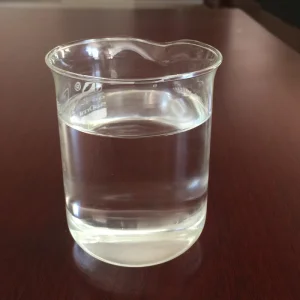
| PEG 300 / 400 | Clear, Viscous Liquid | 285 – 420 | 5.5 – 8.0 | Solubilizer for softgels, liquid oral solutions, eye drops |
| PEG 1500 | White, Waxy Solid | 1350 – 1650 | 25 – 35 | Ointment base modifier, controlled release matrix modifier |
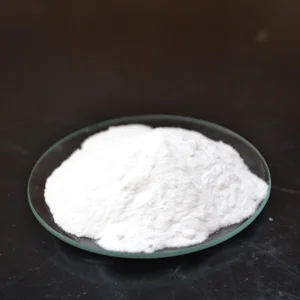
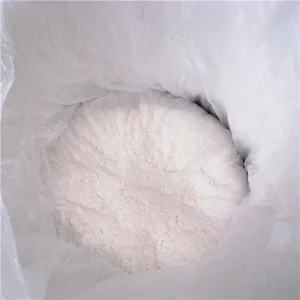
| PEG 3350 / 4000 | White Flakes or Powder | 3000 – 4400 | 75 – 110 | Osmotic laxatives, tablet binder, coating agent |
| PEG 6000 / 8000 | White Powder or Granules | 5400 – 9000 | 200 – 900 | Molding excipient, sustained-release polymer, opacifier |
The technological evolution of PEG chemistry toward monodisperse polymers, cleavable linkers, and targeted therapeutic vectors.
While polydisperse PEGs remain the standard for macro formulations and oral liquid preparations, the industry is transitioning toward Monodisperse PEGs for small-molecule drug conjugates and antibody-drug conjugates (ADCs). Standard synthesis produces a range of polymer chain lengths, but monodisperse synthesis yields single-molecular-weight compounds (discrete PEGs, e.g., PEG-24, PEG-36). This high-precision approach is essential for modern oncology therapeutics, where variations in chain length can modify drug clearance rates and therapeutic efficacy.
Additionally, the development of cleavable PEG linkers represents a major breakthrough in targeted drug delivery. These linkers are designed to remain stable in the blood circulation but cleavage easily once inside the acidic tumor microenvironment or upon contact with specific intracellular enzymes, releasing the cytotoxic payload precisely at the targeted cell site.
Aligned with modern corporate environmental targets, future chemical synthesis roadmaps focus on using renewable bio-based ethylene glycol as a starting raw material, reducing green house gas emissions and dependency on fossil fuel feedstocks.
How YANXA combines chemical expertise, comprehensive quality systems, and secure logistics to support global manufacturing operations.
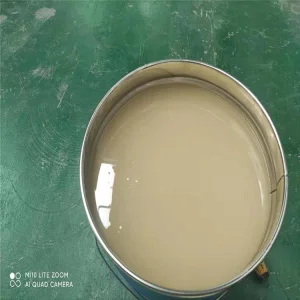
Cooperating with leading manufacturers and research institutes, YANXA provides high-purity liquid rubbers (HTBN, LSBR, EPB), nitrates, and metal powders (Zn-Al, Aluminum Magnesium alloys) to meet critical engineering and chemical needs.
Quality, safety, and efficiency guide our business operations. We prioritize environmental management and occupational safety in all chemical activities, delivering compliant products with minimal ecological impact.
We manage complex export processes, hazardous chemical shipping regulations, and temperature-controlled logistics, ensuring safe and timely delivery for international manufacturers.
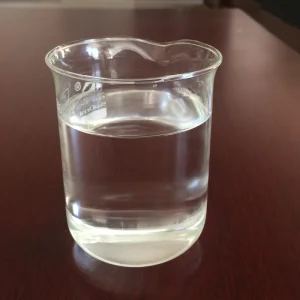
Formaldehyde: A colorless, easily polymerized liquid with strong reducing capabilities, supplied as formalin (37-50% solution) with methanol as an inhibitor. Essential for high-yield chemical synthesis.
Hexamethylenetetramine (Hexamine/HMTA): White crystalline powder (CAS No. 100-97-0) synthesized from formaldehyde and ammonia. A key organic intermediate utilized in polymer networks and industrial synthesis.
Paraformaldehyde Powder 96%: A high-purity linear polymer of formaldehyde with a solid, flammable profile. Used when controlled formaldehyde release is required without excess water content.
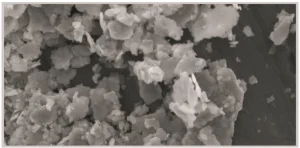
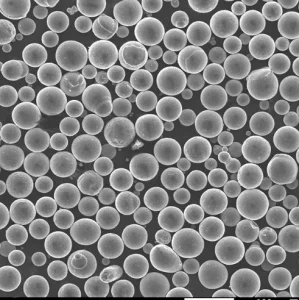
Atomized Spherical Aluminum Magnesium Alloy Powder: Highly specialized metallic alloy powder featuring uniform particle size and spherical morphology, ideal for advanced metallurgy and energy-dense formulations.
Frequently asked questions concerning pricing, supply capabilities, regulatory compliance, and chemical specifications.
Direct links to our specialized chemical materials, including high-purity salts, liquid rubbers, and industrial raw materials.
 Yanxatech