Premium functional polymers designed to improve matrix toughness, shear strength, and chemical durability in industrial epoxy, adhesive, and coating structures.
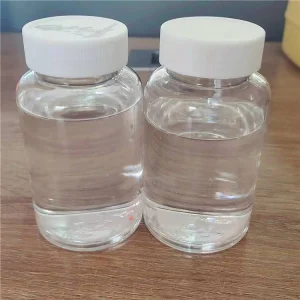
Offers superior chemical resistance, exceptional UV stability, and highly efficient toughening properties for civil infrastructure coatings in New Zealand's coastal environments.
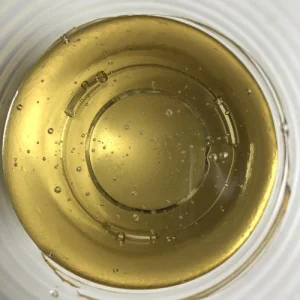
Optimized for high mechanical elongation and structural flexibility, perfect for seismic joint fillers and elastomeric sealants across Auckland and Wellington structural projects.
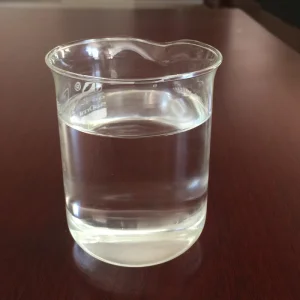
Unmatched polar adhesion properties, temperature resilience, and hydrocarbon resistance. Ideal for industrial aerospace, automotive sealing, and marine structural components.
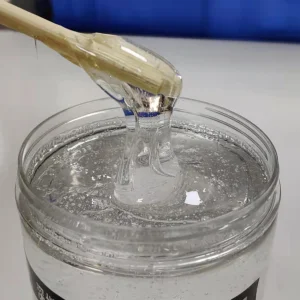
The gold standard modifier for structural epoxy adhesives. Drastically increases fatigue resistance, impact tolerance, and peel strength in heavy-duty composites.
In modern polymer engineering, liquid rubbers containing active functional terminal groups—such as Carboxyl (CTBN), Hydroxyl (HTBN, HTBS, HTPB), and Amino (ATBN) groups—have shifted from niche compounding additives to core structural enablers. For New Zealand's specialized commercial and industrial sectors, selecting the right polymer intermediate is a balancing act between structural survival and environmental degradation. The country's unique geographical positioning exposes structural components to some of the highest UV radiation indices globally, intense coastal salinity, and continuous seismic activity.
New Zealand's structural design actions standard (NZS 1170.5) mandates strict resilience benchmarks for commercial real estate and infrastructure. Standard epoxy resins are notoriously brittle, susceptible to micro-crack propagation under low-frequency vibrational load cycles. By introducing Carboxyl-Terminated Nitrile Butadiene Rubber (CTBN) or Amino-Terminated Nitrile Butadiene Rubber (ATBN), compounding engineers can trigger a phase-separation mechanism during the curing process. This forms elastomeric micro-domains within the epoxy matrix, effectively absorbing crack energy and redistributing shear stress. This technology is widely deployed in structural anchoring adhesives, high-strength structural bonding in high-rise constructions, and bridge bearing pads across the North and South Islands.
The agricultural powerhouse of New Zealand requires processing plants that operate under relentless sanitizing protocols. Concrete floorings and structural containment vats are exposed to high-strength acidic and alkaline washdowns, along with organic fat exposure. Ordinary concrete sealants fail under these chemical stressors. Using Random Carboxy Nitrile Butadiene Rubber (L-XNBR) and Epoxy Modified Liquid Rubber (EPB) as primary binder components yields seamless membrane barriers that resist chemical permeation, prevent microbial colonization, and withstand clean-in-place (CIP) hot cycles without delamination.
| Polymer Variant | Terminal Group | Primary Matrix System | Key Engineering Performance Feature | New Zealand Application Fit |
|---|---|---|---|---|
| EPB | Epoxy / Polybutadiene | Epoxy, Polyurethane | High UV resistance, excellent dielectric properties | Outdoor solar installations, marine protective topcoats |
| HTBS | Hydroxyl (-OH) | Polyurethane, Ester resins | High flexibility, low glass transition temp (Tg) | Seismic expansion joints, highway thermal bridge sealants |
| HTBN | Hydroxyl (-OH) | Polyurethane, Epoxy | Excellent polar adhesion, fuel/solvent resistance | Fuel tank linings, industrial pump linings, pipeline seals |
| CTBN | Carboxyl (-COOH) | Epoxy (Diglycidyl ether) | Extreme peel strength, crack resistance | Structural anchoring, wind turbine blade composites |
| ATBN | Amino (-NH2) | Epoxy, Polyamide | Fast curing at room temp, high shear resilience | On-site structural restoration, automotive crash adhesives |
Historically, the supply chain for high-end reactive liquid rubbers was monopolized by a few Western chemical conglomerates, leading to high cost structures and supply chain bottlenecks for Oceanic buyers. Yanxatech (YANXA), established in 2008, has revolutionized this dynamic by integrating advanced manufacturing technologies with China's domestic supply network. YANXA’s ISO 9001:2008 certified facility structures guarantee trace-level consistency from batch to batch, ensuring that NZ importers receive materials conforming to international standards (ASTM and ISO).
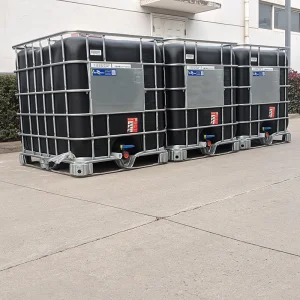
By bypassing multiple layers of chemical distributors, New Zealand formulators can import bulk containers directly to key ports like Auckland, Tauranga, and Lyttelton. This direct model ensures that customized viscosity, molecular weight distributions, and acrylonitrile content are engineered to the customer's exact technical data sheets (TDS).
In addition to our core liquid rubber polymer range, YANXA provides high-purity industrial electronic gases, specialty polyethers, and engineered excavation systems.
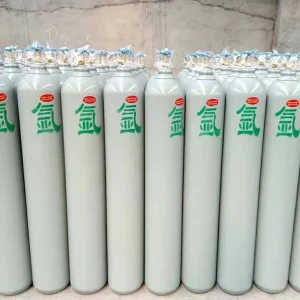
Ultra-high purity Argon gas (Ar) designed for the semiconductor, electronics, and precision metallurgy industries in New Zealand.
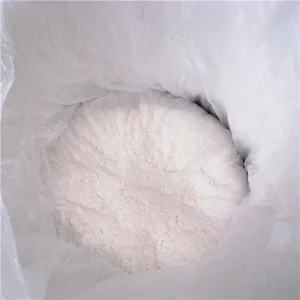
Highly pure tricalcium phosphate, suitable as an anti-caking agent, dietary supplement, and fertilizer mineral builder.
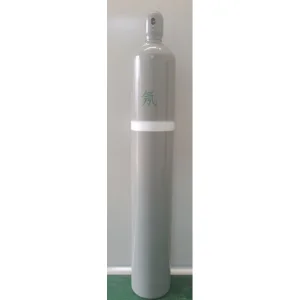
High-purity neon gas for advanced laser applications, deep physics laboratories, and microelectronics manufacturing.
Eco-friendly gas expansion cracking systems designed for safe excavation, quarrying, and tunneling in New Zealand.
Premium raw industrial chemical intermediates developed for synthetic resin manufacture, adhesive compounding, and metallurgy.
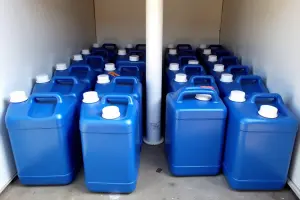
A colorless, highly volatile liquid intermediate with a relative density of 0.815. Extensively used in phenolic resin polymer synthesis and adhesive manufacturing.
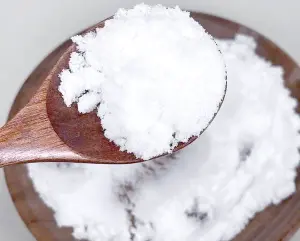
Crystalline organic intermediate (CAS No. 100-97-0) with a molecular weight of 140.19 g/mol. Ideal for phenolic resins curing, explosives, and rubber vulcanization accelerators.
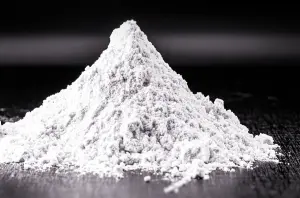
High-purity linear polymer of formaldehyde in white powder form. Fast dissolving times (≤40 minutes) with tight pH limits (5.0 - 7.0) for paint resin compounding.
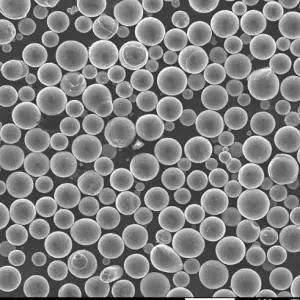
High-grade spherical metal powder engineered for defense, aerospace, advanced pyrotechnics, and industrial alloy fabrication.
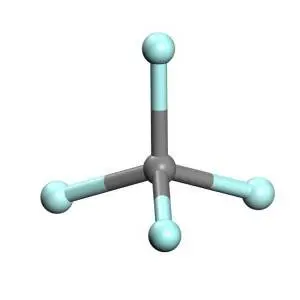
Critical halide gas for plasma etching in electronic microcomponent fabrication, boasting high chemical stability and purity.
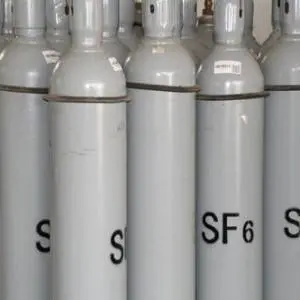
Excellent insulating medium for high-voltage power transmission systems, circuit breakers, and substation switchgear in New Zealand.
To successfully integrate Chinese specialty chemical materials into the local New Zealand industry, raw material characteristics must match specific end-use application parameters:
Importing chemical agents into New Zealand requires adherence to the Hazardous Substances and New Organisms (HSNO) Act regulated by the Environmental Protection Authority (EPA). Yanxatech (YANXA) provides SDS sheets conforming to GHS standards, Certificates of Analysis (COA) for every manufacturing batch, and raw material safety documentation. Our logistical procedures secure shipping containers using hazardous goods classification regulations for ocean transport, ensuring safe passage across the Pacific.
Detailed engineering and procurement insights for commercial buyers and polymer formulators in New Zealand.
Our contract rates depend on current raw material pricing, synthetic monomer availability (such as butadiene and acrylonitrile), and total order volume. Once your team contacts us, we will provide an updated pricing quote tailored to your volume and technical requirements.
Yes, we require ongoing minimum order quantities for international shipments. This ensures freight efficiency and cost savings on ocean routes to New Zealand. If your firm requires test batches or smaller trial volumes, please contact our sales representatives to check available options.
We supply full chemical documentation, including Certificates of Analysis (COA), Certificates of Conformance (COC), Safety Data Sheets (SDS) matching GHS standards, marine insurance, and Certificates of Origin to facilitate smooth customs clearance at New Zealand ports.
Standard sample verification cycles require around 7 days. Large-scale production runs require between 20 to 30 days once deposit terms are settled. Transportation times depend on ocean shipping schedules, but average shipping times to Auckland or Tauranga from China ports range from 15 to 22 days.
We accept standard telegraphic transfers (T/T), requiring a 30% advanced deposit, with the remaining 70% balance settled against bill of lading (B/L) copies, or via Letters of Credit (L/C) at sight.
All products are packed using durable, international-standard export containers. For hazardous and temperature-sensitive polymers, we utilize specialized hazard-rated packaging, temperature-controlled containers, and structural stabilizers to ensure product stability during transport.
Our complete catalog of technical polymers, functional liquid rubbers, and polyether intermediates for advanced industrial formulations.
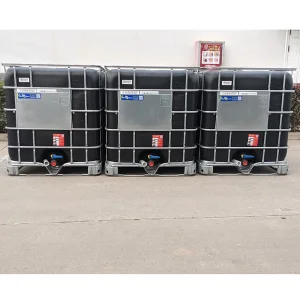
Designed for fast-curing epoxy structural systems. Significantly improves fatigue resistance under dynamic loads.
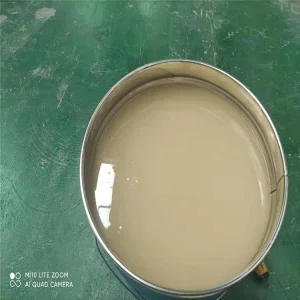
Offers low dielectric constants and high flexibility, making it ideal for microelectronics potting compounds.
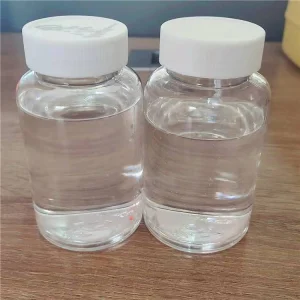
A versatile reactive modifier that improves metal adhesion and resin compatibility in high-performance composites.
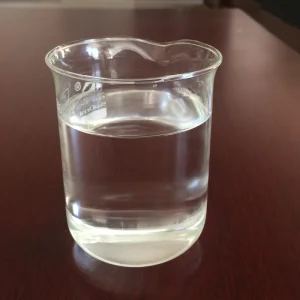
Improves abrasion resistance and low-temperature flexibility in specialized rubber formulations.
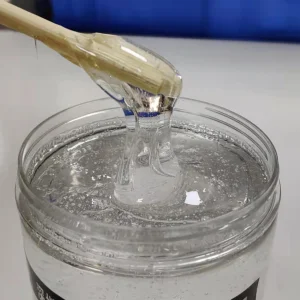
Highly polar nitrile structure provides oil, solvent, and chemical resistance for industrial coatings.
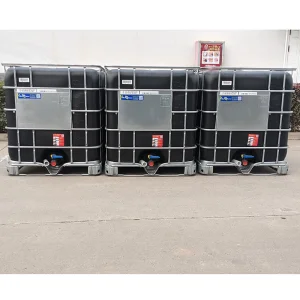
Intermediate for polyurethane systems, improving elasticity and hydrolysis resistance in finished coatings.
Designed for high-viscosity formulations, enhancing mechanical wear resistance and thermal stability.
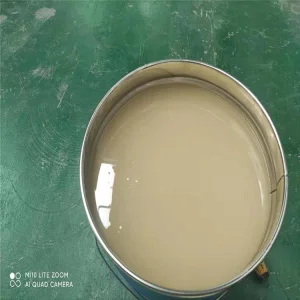
Perfect balance of molecular weight distribution, yielding uniform crosslinking and high tensile retention.
 Yanxatech