Highly engineered elastomeric modifiers optimized for precision manufacturing, adhesives, and high-durability coatings in the Osaka Bay industrial belt.
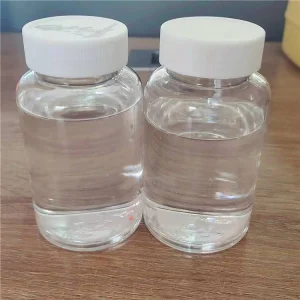
Advanced toughening agent designed for epoxy resins, enhancing mechanical strength and impact resistance in Osaka automotive components.
View Details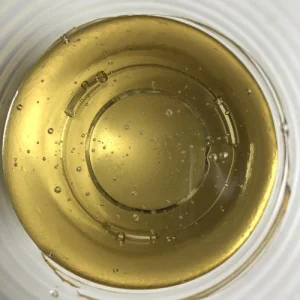
A random copolymer structure that provides exceptional low-temperature flexibility and chemical resistance for critical marine sealants.
View Details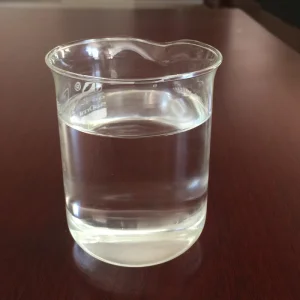
Specialty nitrile rubber providing superior oil, solvent, and abrasion resistance, widely utilized in Kansai electronics manufacturing.
View Details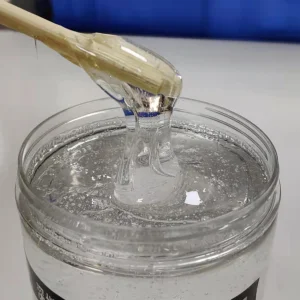
Carboxyl-terminated liquid rubber perfect for modifying structural adhesives, coatings, and composite matrices.
View DetailsOsaka and the broader Kansai region have long been recognized as the industrial heartbeat of Japan. With a dense concentration of high-technology manufacturing clusters, chemicals facilities, and automotive assembly operations, the demand for precision-engineered materials is growing exponentially. In particular, the shift toward smart manufacturing, advanced automation, and electrification in automotive systems has created a strong need for materials that offer high durability, low thermal expansion, and superior mechanical damping.
For industries located in the Osaka Bay Area, the challenges of corrosion, high temperatures, and structural stress are everyday realities. Modern engineering demands materials that do not simply meet standard specifications but offer high performance under extreme conditions. This is where advanced metallic powders and functionalized liquid rubbers play a crucial role. By serving as structural modifiers, thermal barriers, and active chemical agents, these specialized inputs allow local manufacturers to push the boundaries of product design and efficiency.
Whether it is the modification of epoxy matrices for electronic packaging or the atomization of specialty alloy powders for 3D metal printing, high-grade material inputs are essential to maintain a competitive edge. Local manufacturers in Osaka demand consistent quality, direct supply-chain transparency, and strong technical support to ensure compliance with strict national standards.
In the field of polymer science, liquid rubber acts as an invaluable toughening agent. Standard epoxy resins, though highly rigid and heat-resistant, are naturally brittle and prone to micro-cracking under mechanical load. By incorporating chemically active rubbers, engineers can create a block-copolymer phase-separated structure within the matrix. This microphase separation absorbs stress and stops crack propagation, dramatically increasing the fatigue life of structural components.
Similarly, in metallurgy, the purity, shape, and distribution of metal powders define the structural integrity of final components. Atomized alloy powders with spherical geometries ensure uniform flowability and packing density, which are critical for metal injection molding (MIM) and additive manufacturing processes used by top-tier suppliers in the Osaka prefecture.
Selecting the correct reactive liquid polymer is essential for achieving desired physical characteristics. Different applications require specific terminal groups to ensure proper reaction with the primary resin matrix. Let us look at the chemical mechanics of these advanced elastomers:
By introducing epoxy groups along the unsaturated polybutadiene backbone, EPB blends the elastomeric properties of polybutadiene with the reactivity of epoxy resins. This dual-nature allows it to react directly during curing, improving adhesion to difficult substrates like oiled metals and plastic composites.
Hydroxyl-terminated butadiene-styrene (HTBS) and hydroxyl-terminated butyronitrile rubber (HTBN) feature reactive hydroxyl end-groups. HTBS offers excellent flexibility and water resistance due to its styrene-butadiene copolymer structure. In contrast, HTBN introduces acrylonitrile into the backbone, which increases resistance to oils, non-polar solvents, and thermal degradation. This makes it an ideal modifier for structural adhesives used in automotive engines and industrial machinery.
Carboxyl-terminated nitrile rubber (CTBN) is widely recognized as the industry standard for toughening thermoset epoxies. During curing, the carboxyl groups react with epoxy rings, creating a micro-dispersed rubber phase. This process increases impact strength and thermal shock resistance without sacrificing heat deflection temperature. Amino-terminated nitrile rubber (ATBN) reacts directly with epoxy curing agents, making it ideal for formulations processed at lower temperatures.
As electronic packages shrink and power densities rise, managing thermal expansion stress is critical. Modifying packaging epoxies with low-viscosity liquid rubbers like CTBN or L-XNBR reduces internal stress, prevents delamination at interfaces, and maintains excellent electrical insulation.
Maleic Anhydride Grafted Polybutadiene (MLPB) provides highly polar maleic anhydride groups on a non-polar polybutadiene backbone. This structure serves as a coupling agent between organic polymers and inorganic fillers, such as glass fibers or silica. Liquid Styrene Butadiene Rubber (LSBR) provides high compatibility in elastomer compounding, adjusting process viscosity and final hardness in specialized rubber products.
High-purity intermediates engineered for precision manufacturing, polymer synthesis, and electronic applications.
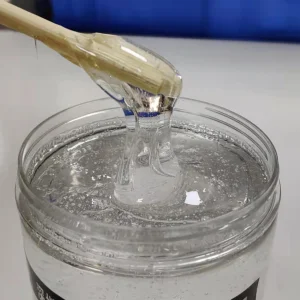
Randomly carboxylated nitrile rubber providing versatile cross-linking sites, excellent adhesive strength, and chemical durability.
View Details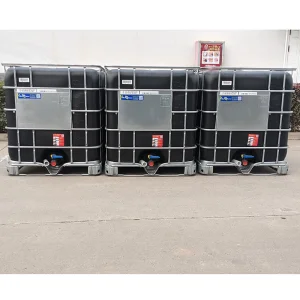
Low molecular weight PET polyether tailored for polyurethane formulations and dynamic elastomeric products.
View Details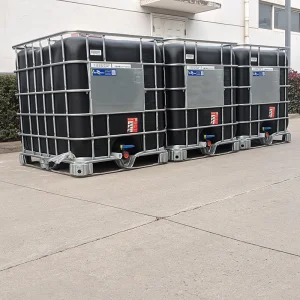
High molecular weight polyether designed to provide high flexibility and tensile strength in advanced coatings.
View Details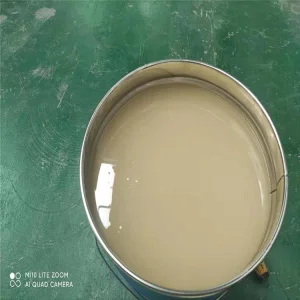
Medium molecular weight range balancing processing viscosity with structural integrity for high-performance resins.
View DetailsFor industrial purchasing managers in Osaka, sourcing materials from China offers an excellent balance of cost-efficiency and quality. The geographic proximity between the ports of Shanghai or Qingdao and the Port of Osaka/Kobe ensures short shipping transit times, often under 5 to 7 days. This allows Kansai manufacturers to run leaner inventories while maintaining high supply reliability.
Chinese manufacturing plants operate at an unmatched scale, utilizing modern, automated synthesis equipment to produce high-purity materials with batch-to-batch consistency. Collaborating with YANXA bridges the gap between China's raw material capacity and Japan's strict quality demands. Every shipment is accompanied by detailed documentation, including Certificates of Analysis (COA), safety data sheets (SDS) complying with Japanese standards, and full compliance documentation (RoHS, REACH).
Importing chemicals and metal powders into Japan requires strict adherence to local laws, such as the Chemical Substances Control Law (CSCL), Fire Service Act (governing hazardous substances), and the Industrial Safety and Health Amendment. YANXA ensures all materials are classified correctly, packaged in certified UN containers, and labeled appropriately to prevent customs delays. This ensures a seamless import process for Japanese buyers.
High-performance engineering requires more than just polymers. Metallic and inorganic compounds form the foundation of high-strength components. Our alloy powders are atomized to achieve high sphericity, which is critical for modern production methods like Metal Injection Molding (MIM) and Direct Metal Laser Sintering (DMLS).
Using spherical alloy powders ensures uniform flow during printing and prevents voids in the sintered metal matrix. This results in components with high tensile strength, fatigue resistance, and precise tolerances. These powders are highly valued by automotive component developers in Osaka, where minimizing weight while maintaining strength is a key goal.
In addition to metals, inorganic chemical salts like Aluminum Nitrate are critical components in catalyst manufacturing and advanced surface treatments. Similarly, Tricalcium Phosphate serves as a key material in bioceramics and food-grade mineral enrichment, demonstrating our capacity to support diverse chemical sectors.
Our complete range of specialty chemical additives, high-purity gases, inorganic nitrates, and advanced alloy powders.
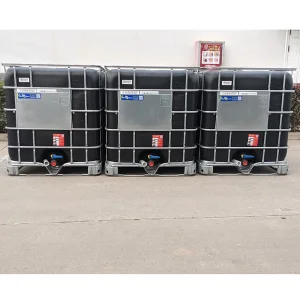
Reactive amine end-groups provide quick cross-linking with epoxy systems, suitable for structural adhesives.
View Details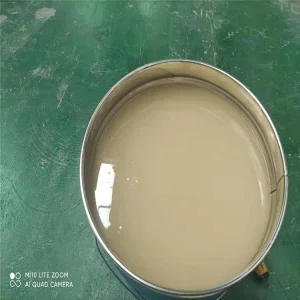
Medium-vinyl content liquid rubber offering excellent curing flexibility and electrical insulation properties.
View Details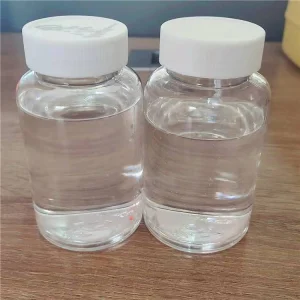
Perfect coupling agent for polymer composites, enhancing interfacial adhesion between matrices and mineral fillers.
View Details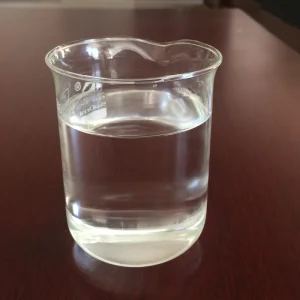
Low viscosity processing aid for tire compounders and industrial rubber moldings in the Osaka area.
View Details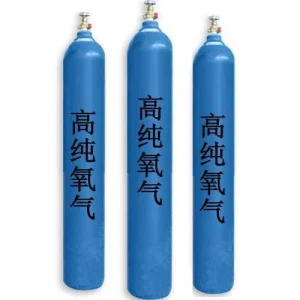
Ultra-pure O2 designed for critical electronics fabrication and metallurgical processing.
View Details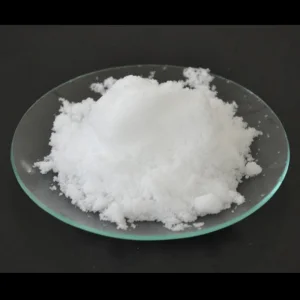
High-grade nitrate salt for catalyst preparation and surface treatments in heavy manufacturing.
View Details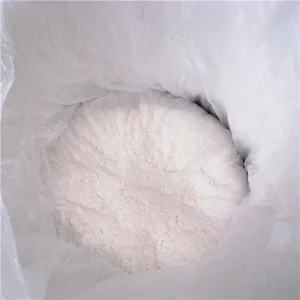
Industrial-grade mineral source suitable for ceramics, agricultural formulations, and food engineering.
View Details
Engineered spherical alloy powder for metal injection molding and high-precision aerospace components.
View DetailsAdditional high-demand industrial compounds, gases, and metallurgy inputs manufactured to global standards.
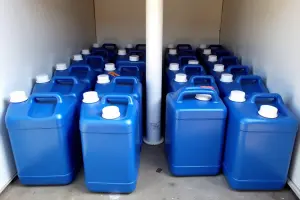
Colorless, volatile liquid intermediate widely used in resin synthesis and polymer manufacturing. Rapidly oxidizes to formic acid in air. Typically supplied as formalin with a stabilizer.
Request Information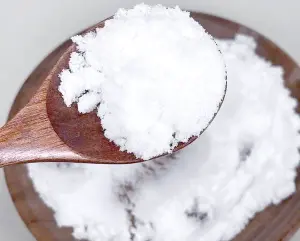
White crystalline powder (HMTA, CAS: 100-97-0) synthesized from formaldehyde and ammonia. Crucial for thermosetting plastics, vulcanization, and explosives manufacturing.
Request Information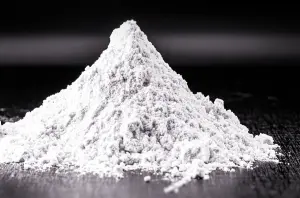
High-concentration linear polymer of formaldehyde in white powder form. Soluble within 40 minutes, ideal for adhesive and agrochemical synthesis.
Request Information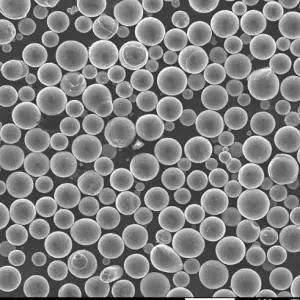
Precision-atomized alloy powder with spherical morphology. Ideal for pyrotechnics, welding, high-temperature metallurgy, and advanced defense industries.
Request Information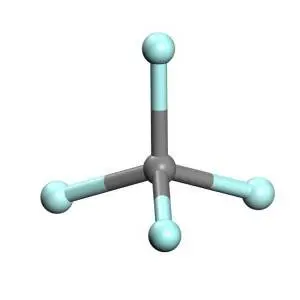
Specialty gas commonly utilized as a low-temperature refrigerant and dry-plasma etcher in semiconductor device manufacturing.
Request Information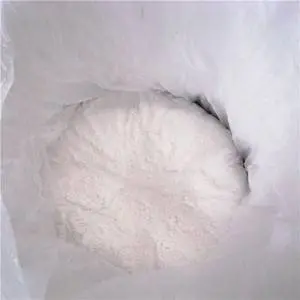
High-quality calcium phosphate salt utilized as an anti-caking agent, structural stabilizer, and mineral source in industrial applications.
Request Information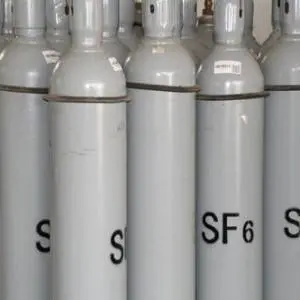
Gaseous dielectric medium with excellent electrical insulating properties, widely used in high-voltage power transmission systems.
Request InformationWhy global and local Osaka procurement teams trust YANXA for sensitive chemical and metallurgical supply lines.
Our factories operate under strict ISO 9001:2008 quality management guidelines. From raw material sourcing to batch testing of polymer chain lengths and metallic particle distribution, every manufacturing phase is closely monitored. We utilize advanced gas chromatography (GC), laser particle size analysis, and mechanical stress tests to ensure all materials conform to technical specifications.
Chemical transactions carry environmental and health responsibilities. We ensure all activities involving reactive liquid rubbers, specialty gases, and alloy powders are carried out safely, protecting personnel, property, and local environments.
We use specialized export packaging designed for hazardous or temperature-sensitive goods. In industrial logistics, shipping delays cost money. Working with YANXA ensures your shipments arrive safely at the Port of Osaka or Kobe.
We manage all shipping details, from initial lab testing to final delivery, ensuring smooth customs clearance and compliance with local environmental laws.
Answering key technical and logistical questions for procurement professionals in Osaka.
Get in touch with our technical sales team today for detailed product specifications, custom formulation requests, or a competitive quote for the Osaka market.
Send Inquiry Now Yanxatech