China Aluminium Oxide Powder Pricelist & Quotes

High-Purity Alumina Technical Specifications, Global Supply Chain Resiliency, and Strategic Sourcing Guide 2024

Understanding the Global Aluminium Oxide Powder Market


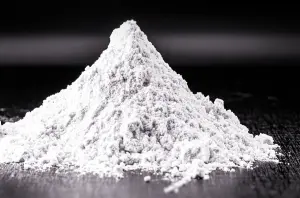
Aluminium Oxide (Al₂O₃), commonly referred to as Alumina, is a chemical compound of aluminium and oxygen. It is the most common of several aluminium oxides, and specifically identified as aluminium(III) oxide. In industrial and commercial applications, aluminium oxide powder is utilized for its exceptional hardness, chemical inertness, high thermal conductivity, and superb electrical insulation properties.

As advanced technologies evolve, high-purity alumina (HPA) has become an essential raw material for key sectors including semiconductor processing equipment, synthetic sapphire crystal growth for optoelectronics, lithium-ion battery separators, thermal interface materials (TIMs), and engineering ceramics. Navigating the procurement of aluminium oxide powder requires a comprehensive grasp of particle size distribution, crystal phases (alpha vs. gamma), and chemical purity metrics.

99.99%
Ultra-High Purity Options
9 Mohs
Extreme Material Hardness
2054°C
High Melting Point Threshold

Key Development Trends in Aluminium Oxide Powder Technology

Modern materials science has driven three main development vectors for aluminium oxide powders:

  1. Nanostructured and Ultra-Fine Particles: The demand for sub-micron and nano-sized alumina has escalated. Nano-alumina provides enhanced mechanical dispersion and is increasingly integrated into scratch-resistant transparent coatings, advanced polishing slurries for CMP (Chemical Mechanical Planarization) in semiconductor fabrication, and plastic fillers to improve thermal parameters.
  2. Crystal Phase Tuning: The thermal conversion of gamma-alumina (highly porous, catalytic phase) to alpha-alumina (thermodynamically stable, hard phase) is strictly monitored. Manufacturers now offer specialized reactive and calcined alumina powders tailored for ceramic binders or structural components where volumetric shrinkage during sintering must be minimized.
  3. Surface Modification: Surface-treated alumina powders (e.g., silane-treated) are being developed to maximize loading rates in polymer composites, particularly in the production of thermal grease and gap fillers for electric vehicle (EV) batteries and high-power electronics.

Global Procurement Drivers and Strategic Sourcing

Global procurement executives are no longer looking strictly at low-cost raw materials; they prioritize supply chain continuity, physical consistency, and technical support. Industrial buyers looking for premium aluminium oxide powder require precise physical specifications:

  • Purity Grade: Varying from smelter-grade (98.5% to 99.2%) for abrasive applications, to high-purity (99.5% to 99.9%) for spark plugs and electronic ceramics, and ultra-high purity (99.99%+ or 4N) for LED substrates and sapphire glass.
  • Particle Size Distribution (PSD): D10, D50, and D90 parameters must fall within tight tolerances to prevent processing anomalies in injection molding or tape casting operations.
  • Specific Surface Area (BET): Surface characteristics dictate the oil absorption rates and chemical reactivity during sintering and compound mixing.

China Factory 4.0: Supply Chain Resilience and Efficiency

China's chemical and metallurgical landscape has undergone a digital transformation. Factory 4.0 paradigms integrate automated kiln controls, inline laser diffraction particle size analysis, and robotic packaging lines to remove human error. This technological leap allows Chinese factories like Yanxatech System Industries Limited (YANXA) to deliver unmatched consistency batch-after-batch.

By blending advanced automation with vertically integrated raw material supply chains, Chinese manufacturers mitigate price volatility and provide global partners with stable pricing models, certified traceability documents, and rapid logistics turnaround. Through automated optimization, energy consumption is reduced, aligning Chinese export pipelines with international sustainability mandates.

Chemical Composition & Specifications Chart

Grade Type Al₂O₃ Min % Na₂O Max % Fe₂O₃ Max % Typical Particle Size (D50) Key Applications
Standard Calcined Alumina 99.2% 0.35% 0.03% 3.0 - 5.0 μm Refractories, Glass, Glazes
Low-Soda Calcined Alumina 99.6% 0.08% 0.02% 1.5 - 2.5 μm Electronic Ceramics, Spark Plugs
High-Purity Alumina (HPA 3N) 99.9% 0.01% 0.005% 0.5 - 1.0 μm Lithium Battery Separators
Ultra-Purity Alumina (4N) 99.99% 0.002% 0.001% Sub-micron / Nano Synthetic Sapphire, LED Substrates

Localized Application Scenarios

Aluminium Oxide's versatile properties make it indispensable across regional industrial clusters worldwide:

  • North America & Europe (Automotive & Aerospace): Used as structural reinforcement in composite materials, high-voltage insulation systems, and precision investment casting shells for turbine blades.
  • East Asia (Semiconductor & Optoelectronics): High-purity alumina slurries are critical for CMP processing of wafers, structural ceramic components in deposition chambers, and substrate materials for micro-LED displays.
  • Global Heavy Industries: Used as high-performance refractory linings in steel kilns, glass melting furnaces, and petrochemical reactors due to its high-temperature corrosion resistance.

Company Profile

Yanxatech System Industries Limited (YANXA) is one of the growing suppliers in the field of specialty materials in China.

Starting as a fledgling small business unit in 2008, YANXA is driven with the passion of developing a broad international market in chemical and mechanical industries. Thanks to our team's enduring and persistent work and our business partners' long-lasting support, YANXA has steadily grown into a reliable company with excellence in delivering products and services relating to specialty chemicals.

Primary Product Portfolios:

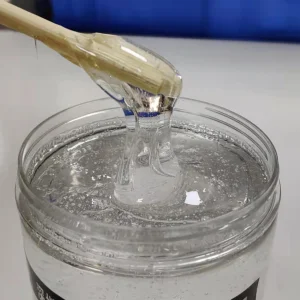
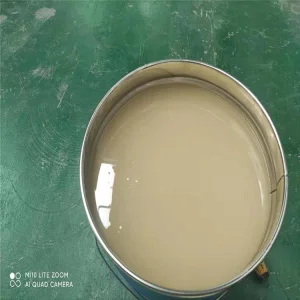
  • Liquid Rubber
  • Nitrates
  • Metal Powder & Metal Alloyed Powders

Business Philosophy:

Quality, safety, and efficiency prevail over all values in our business. We address our customers' general requirements as well as their unique specifications for newly developed applications. YANXA complies with high technical standards to ensure delivery in perfect conformity, while managing chemicals in a safe, environmentally responsible manner.

Specialty Chemical Product Portfolio

Detailed technical specifications for our primary specialty products including formaldehydes, monomers, and advanced metallic alloys.
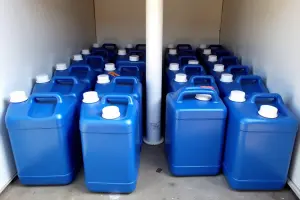
Formaldehyde

Formaldehyde Solution (Formalin)

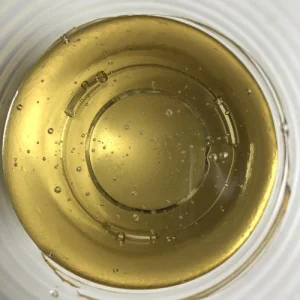
Formaldehyde is a colorless, highly reactive liquid supplied as formalin (37-50% solution) stabilized with methanol to inhibit polymerization. Boiling point is 96°C; relative density is 0.815. Widely utilized in resins and organic synthesis.

Hexamethylenetetramine (Hexamine)

Hexamethylenetetramine (Hexamine)

CAS No.: 100-97-0 | Formula: C₆H₁₂N₄.
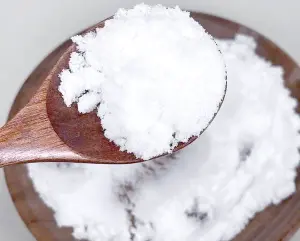
A white crystalline powder produced via condensation of formaldehyde and ammonia. Extensively used in plastics, synthetic resins, and rubber cross-linking.

Paraformaldehyde Powder 96%

Paraformaldehyde Powder 96%

A white polymer powder with a distinct formaldehyde odor. Soluble within 40 minutes, formic acid content ≤ 0.05%, pH range 5.0 - 7.0. Ideal for coatings, disinfectants, and organic formulations.

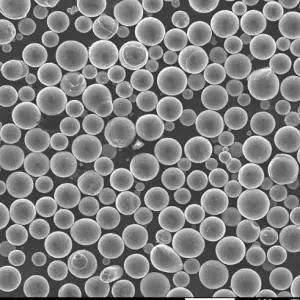
Atomized Spherical Aluminum Magnesium Alloy Powder

Atomized Spherical Aluminum Magnesium Alloy Powder

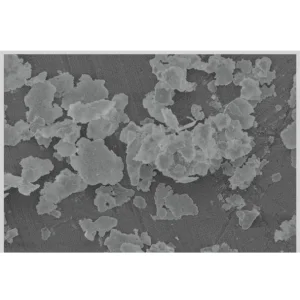
Manufactured through advanced gas atomization, yielding perfectly spherical particle morphology, excellent flowability, and clean alloy structure. Crucial for aerospace metallurgy and advanced coatings.

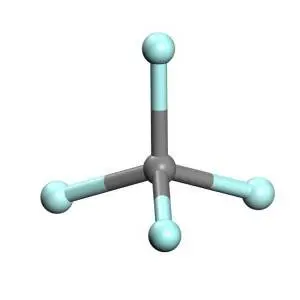
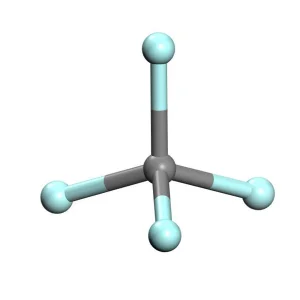
Carbon Tetrafluoride

Carbon Tetrafluoride (CF4)

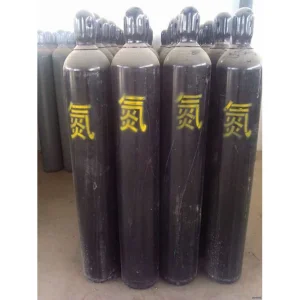
Ultra-high purity gas used as a crucial plasma etchant in semiconductor chip microfabrication, oxide etching processes, and low-temperature refrigerant applications.

Frequently Asked Questions (FAQ)

Answers to critical procurement, logistical, documentation, and quality assurance questions for international buyers.

Q: What are your pricing models for Aluminium Oxide Powder?
A: Our prices are subject to change depending on purity levels (e.g., 3N, 4N, calcined vs. tabular), particle size requirements (micron vs. nano), and global market dynamics. We will send you an updated price list and customized quotes once your company contacts us with detailed specifications.
Q: Do you require a Minimum Order Quantity (MOQ)?
A: Yes, we require all international industrial orders to have an ongoing minimum order quantity. For smaller quantities or trial-run testing, please get in touch with our sales division to assess product sample options.
Q: Can you provide all necessary export and chemical documentation?
A: Absolutely. We can provide full document packets including Certificates of Analysis (CoA), Technical Data Sheets (TDS), Safety Data Sheets (SDS), export licensing, certificates of origin, and custom maritime shipping documents.
Q: What is the typical lead time for shipment?
A: For product samples, the typical lead time is about 7 days. For bulk mass production, the standard lead time is 20-30 days after receiving deposit confirmation. Exact timelines depend on customized manufacturing processes.
Q: What payment terms does YANXA accept?
A: We accept payment via direct bank transfer (T/T) with a 30% deposit in advance and the remaining 70% balance against the copy of the Bill of Lading (B/L), or an irrevocable Letter of Credit (L/C) at sight.
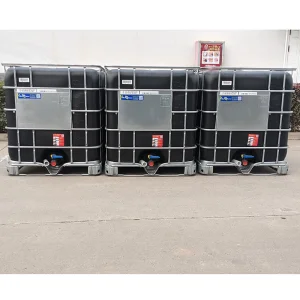
Q: How do you guarantee the safe and secure delivery of hazard-classified materials?
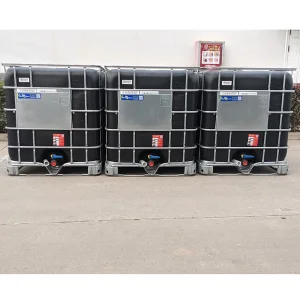
A: We utilize robust export-grade containment packaging. For hazardous materials or temperature-sensitive items, we comply with strict international regulatory packing codes to ensure safety of both handlers and the environment.