Explore our industry-certified raw materials, liquid rubbers, and high-purity industrial electronic gases.
The industrial relevance of CAS No. 12158-75-7, chemically designated as Magnesium Silicide (Mg₂Si), has surged globally over the past decade. Traditionally known for its role as a key chemical precursor in the production of silanes (SiH₄), Mg₂Si has evolved into a strategic building block for lightweight alloys, high-performance thermoelectric generators, and semiconductor interfaces. As global economies shift toward structural electrification and carbon neutrality, accessing high-integrity sourcing for CAS No. 12158-75-7 becomes paramount for R&D divisions and enterprise procurement managers alike.
By operating at the intersection of metallurgy and advanced chemical synthesis, Chinese manufacturers have established standardized, high-yield methodologies to supply electronic, aerospace, and automotive markets. At YANXA (Yanxatech System Industries Limited), we leverage our long-term partnerships with certified Chinese production units to deliver premium-grade materials, matching rigorous particle-size distributions, chemical purity tolerances, and moisture-controlled packaging standards required by top-tier global manufacturers.
| Systematic Name | Magnesium Silicide (1:2 ratio) |
| CAS Number | 12158-75-7 |
| Molecular Formula | Mg₂Si |
| Molecular Weight | 76.69 g/mol |
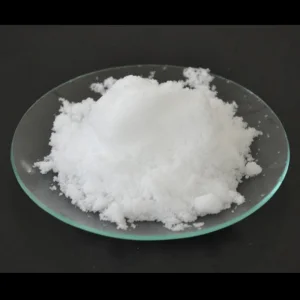
| Appearance | Blue-gray cubic crystals/powder |
| Main Application | Semiconductors & Thermoelectric Devices |
The global market for Magnesium Silicide (CAS 12158-75-7) is expanding rapidly due to its dual utility. On one hand, it functions as a primary industrial source for Silane gas production, which is indispensable for the deposition of amorphous and crystalline silicon layers in photovoltaic panels and microelectronic circuitry. On the other hand, its physical properties make it an attractive candidate for modern solid-state green technology. It is a non-toxic, earth-abundant semiconductor that exhibits a narrow bandgap (~0.77 eV), rendering it exceptionally efficient for thermoelectric waste-heat recovery in the 500–800 K temperature range.
While historically manufactured in small-batch laboratory environments, the scaling of automotive and solar energy demands has necessitated industrial-scale manufacturing facilities. Factories located across China’s chemical-industrial zones have optimized the solid-state sintering processes of high-purity magnesium and elemental silicon. This optimization translates to bulk-scale availability with high chemical uniformity, addressing the commercial pain point of supply volatility that has historically hindered its widespread commercial adoption in Western and Asia-Pacific manufacturing hubs.
Achieving structural consistency in CAS No. 12158-75-7 requires precise control over thermodynamic parameters during the synthesis phase. At the factory level, two primary synthetic pathways are employed:
| Synthesis Route | Purity Range (Mg₂Si) | Primary Particle Size | Key Industrial Advantages |
|---|---|---|---|
| Solid-State Sintering | 98.5% – 99.9% | 10 – 50 μm | Exceptional stoichiometric control; ideal for sputtering target fabrication. |
| Self-Propagating (SHS) | 95.0% – 98.0% | Sub-micron (milled) | High energy efficiency; cost-effective for large-scale metallurgical alloying. |
| Chemical Vapor Deposition (Precursor) | >99.99% (Electronic) | Nanometer-scale thin films | Ultra-thin interfaces; specialized for semiconductor device architectures. |
The manufacturing ecosystem in China offers unique, structural advantages for advanced material synthesis. First, the proximity to primary raw materials—specifically magnesium ingot smelting centers and high-purity silicon refineries—reduces transit-related oxidation risks and minimizes base material costs. Additionally, Chinese chemical industrial parks are equipped with integrated utility networks, providing continuous access to high-purity industrial gases like nitrogen, helium, and argon, which are necessary to prevent atmospheric degradation during packaging and shipping.
Furthermore, YANXA's strategic positioning within this network enables us to synchronize production runs directly with municipal environmental and safety regulations. Rather than facing unexpected shutdowns, our partner factories adhere to rigorous environmental impact assessments (EIAs) and operate with optimized waste-gas capturing systems. This proactive regulatory stance ensures that our production lines remain active, guaranteeing steady lead times (typically 20–30 days for mass orders) and avoiding the supply disruptions that frequently affect chemical markets.
Understanding how CAS No. 12158-75-7 performs in localized, field-specific applications is critical for engineering teams selecting a supplier. Below are the key applications currently driving global demand:
Providing technical solutions, strict quality compliance, and global delivery across various product families.
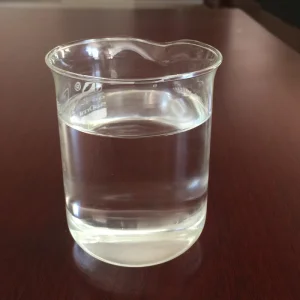
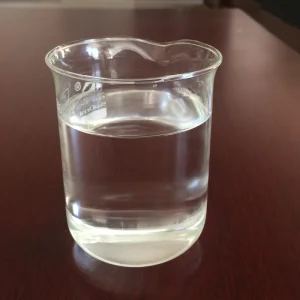
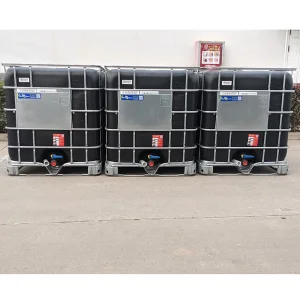
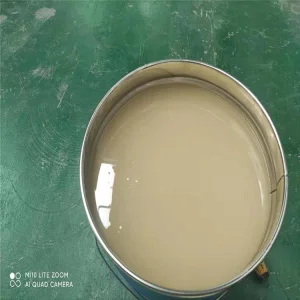
We supply high-performance liquid elastomers, including ATBN, HTBN, LSBR, and epoxidized polybutadiene (EPB). These act as effective toughening agents for structural adhesives and composite systems.
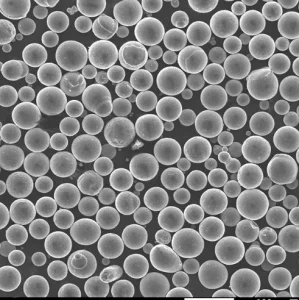
Our catalog includes atomized spherical aluminum-magnesium alloy powders, alloy powders, and chemical compounds engineered for aerospace, pyrotechnics, and metallurgical processes.
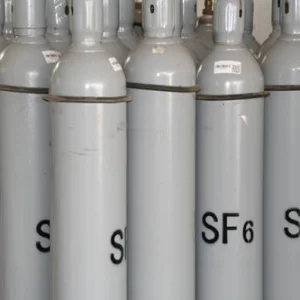
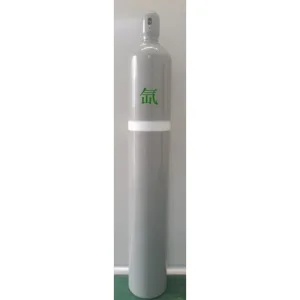
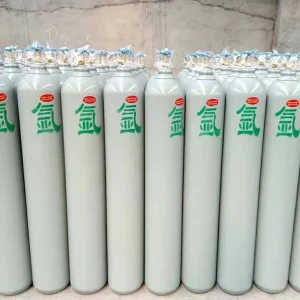
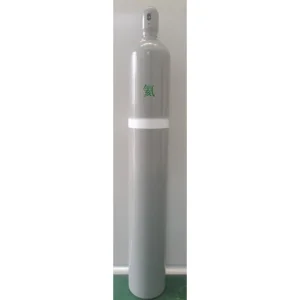
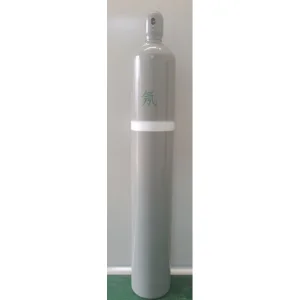
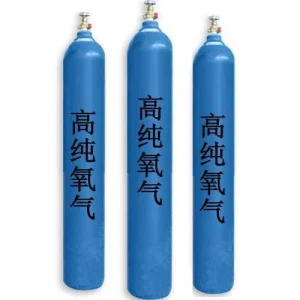
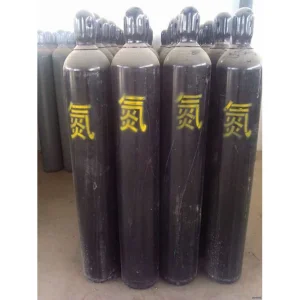
We specialize in ultra-pure gases (Xe, Kr, Ne, He, Ar, SF6, O2, N2) ranging up to 6N (99.9999%) purity, serving critical deposition and etching needs in semiconductor fabrication lines.
YANXA maintains strict quality systems. Operating under ISO9001:2008 guidelines, our company ensures that batch analyses, hazard communication, safety packaging, and trace metal controls align with global standards.
Chemical logistics, particularly concerning materials like CAS No. 12158-75-7, require careful handling. Mg₂Si is highly reactive with moisture and acids, generating flammable silane gas ($SiH_4$) upon contact. Consequently, packaging systems must feature hermetically sealed containers backfilled with dry nitrogen. At YANXA, safety and regulatory compliance are integral to our operations. We work closely with dangerous goods shipping specialists to ensure that every export shipment conforms to ADR, IMDG, and IATA standards, preventing transit delays.
Whether you require micronized particles for sintering targets or customized alloy blends for structural metallurgical projects, our technical team works to meet your target specifications. This includes providing detailed certificates of analysis (COAs) and particle size distribution (PSD) graphs using laser diffraction methods.
Answers to technical, regulatory, and logistics queries for international buyers.
Our standard industrial grades offer purities ranging from 95% to 98% for general metallurgy, and up to 99.9% for high-performance thermoelectric applications. Verification is conducted via X-Ray Diffraction (XRD) and Inductively Coupled Plasma Mass Spectrometry (ICP-MS) to confirm structural phase purity and analyze trace metal impurities.
Our prices are subject to change depending on supply, raw material cost indexes (specifically magnesium and silicon spot prices), and other market factors. We will send you an updated price list after your company contacts us for further information.
Yes, we require all international orders to have an ongoing minimum order quantity. If you are looking to resell but in much smaller quantities, we recommend you check out our website or contact our sales team to discuss trial batch availability.
We provide all necessary export documentation, including Certificates of Analysis (COA) / Conformance, Dangerous Goods Declarations, Safety Data Sheets (SDS) conforming to GHS standards, marine insurance certificates, and Certificates of Origin (CO) to facilitate customs clearance.
For standard evaluation samples, the lead time is about 7 days. For mass production and custom milling runs, the lead time is 20-30 days after receiving the deposit payment. Lead times become effective when we receive your deposit and your final approval for the technical specifications. If our proposed schedule does not align with your deadlines, please speak with our sales manager to explore alternative solutions.
We accept payments via direct wire transfer to our bank account. Our standard terms are a 30% deposit in advance, with the remaining 70% balance payable against the copy of the Bill of Lading (B/L) by T/T, or via an irrevocable Letter of Credit (L/C) at sight.
We warrant our materials and workmanship. Our commitment is to ensure you are satisfied with our products. Regardless of warranty status, it is our company culture to address and resolve all customer concerns to your satisfaction.
Yes. We use reinforced, moisture-resistant export packaging. We employ specialized hazardous packaging for reactive compounds and temperature-controlled shippers when required. Customized packing requirements may incur an additional charge.
High-purity rare gases and specialized rubbers for critical industrial processes.
 Yanxatech