Direct sourcing channels for chemical intermediates, noble gases, and custom engineered powders.
Exploring manufacturing routes, pricing indicators, market drivers, and standard operating configurations for high-purity chromium metal.
Characterized by low oxygen and nitrogen content, ideal for targets in the display, thin-film transistor, and high-performance semiconductor sputtering process.
Critical in additive manufacturing (3D printing) and powder metallurgy to formulate superalloys with superior heat resistance and oxidation protection.
Chromium powder (Cr) is a crucial industrial material with unique properties, including high hardness, excellent corrosion resistance, and high melting temperature (1907°C). To satisfy the precise engineering demands of modern aerospace, automotive, electronics, and coating applications, manufacturers employ two main production methodologies:
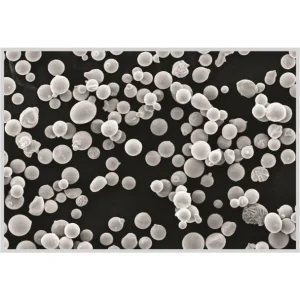
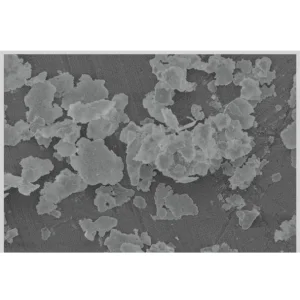
The processing behavior of chromium powder is directly dictated by its particle shape (morphology) and PSD. For powder metallurgy and thermal spray technologies, irregular or angular particles are typically selected due to their interlocking structures, which increase green strength during compaction. Conversely, metal injection molding (MIM) and metal additive manufacturing (3D printing) require highly spherical chromium-alloy powders (e.g., NiCr or CoCr alloys) with precise flow properties.
| Typical Grades | Purity (Cr Min) | PSD (D50 Range) | Morphology | Primary Industrial Applications |
|---|---|---|---|---|
| High Purity Electrolytic | ≥ 99.95% | 10 μm - 45 μm | Irregular / Angular | Sputtering targets, semiconductor deposition, electronics |
| Metallurgical Grade | ≥ 99.0% | 45 μm - 150 μm | Irregular | Alloying agent in steel, hardfacing, diamond tooling |
| Spherical Cr-Alloy | ≥ 99.5% (alloyed) | 15 μm - 53 μm | Spherical | 3D printing, aerospace components, turbine blades |
| Fine Chemical Grade | ≥ 98.5% | ≤ 5 μm | Sub-micron / Fine | Friction materials, chemical synthesis, pigments |
China continues to be a crucial player in the global specialty materials and chemical intermediate processing markets. Top manufacturers leverage advanced vacuum inert gas atomization plants and high-scale electrolytic extraction facilities. Companies like Yanxatech System Industries Limited (YANXA) have constructed resilient supply models by partnering with primary producers and research academies. Established in 2008, YANXA has developed a strong network in chemical and mechanical industrial markets, helping buyers overcome processing and sourcing barriers.
Structuring purchase contracts and assessing price fluctuations for industrial chromium materials.
Procurement departments mapping out budgets for Chromium Powder must account for several market dynamics that drive the ultimate price-per-kilogram:
Industrial applications rarely require chromium in isolation. High-end aerospace coating plants and metallurgical factories manage a complex chemical portfolio. YANXA serves these needs by offering a diverse range of chemical intermediates and alloys:
Technical data sheets, chemical formulas, and processing characteristics for critical raw materials.
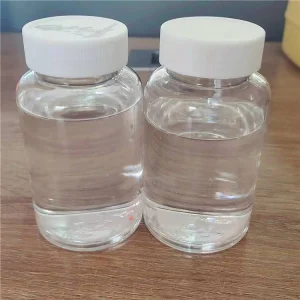
Characteristics: A colorless, easily polymerized liquid that is highly soluble in water, alcohol, and ether. Rapidly oxidizes in air to formic acid, acting as a strong reducing agent. Commercially supplied as formalin (37-50% solution) with methanol as an inhibitor.
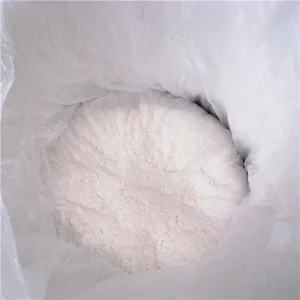
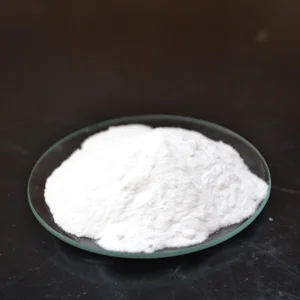
Overview: Hexamethylenetetramine is a white crystalline powder synthesized from formaldehyde and ammonia. It serves as a highly versatile organic intermediate used in industrial manufacturing, rubber processing, and curing operations.
Features: A solid, flammable, white polymer of formaldehyde with a characteristic pungent odor. It exhibits excellent solubility and is formulated with strict quality thresholds to prevent excessive formic acid build-up.
| Active Content | ≥ 96% |
| Formic Acid | ≤ 0.05% |
| pH Range | 5 - 7 |
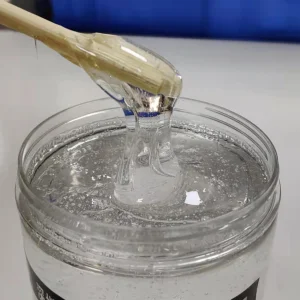
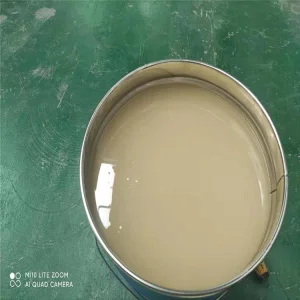
In addition to metal powders, industrial buyers rely on advanced elastomer systems to formulate durable composite materials and chemical containment structures. By sourcing specialized binders like Liquid Styrene Butadiene Rubber (LSBR), Carboxy Nitrile Butadiene Rubber (L-XNBR), and Epoxidized Polybutadiene (EPB), material engineers can significantly improve impact absorption and chemical resistance in heavy industrial applications.
Providing custom engineering materials and maintaining strict supply chains under global compliance frameworks.
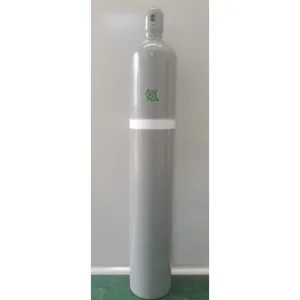
Yanxatech System Industries Limited (YANXA) has grown to become a reliable supplier of specialty chemical products, metal powders, and rare gases in China. Since our launch in 2008 as a small business unit, YANXA has been driven by a passion to serve international markets in both chemical and mechanical industries.
Thanks to our team's sustained commitment and the long-term support of our global partners, YANXA has developed into a reliable specialty materials supplier. By partnering with leading domestic manufacturers and chemical research centers, we guarantee dependable access to three main product families:
Quality, safety, and operational efficiency are core values at YANXA. We listen closely to our customers' standardized material requirements, as well as their unique specifications for emerging engineering applications. Our technical sales team works to ensure that all deliveries precisely match approved parameters.
Because the chemical trade demands strict risk management, we handle all transportation and packaging processes with rigorous safety standards to protect both operational staff and the environment. This commitment is supported by our ISO 9001 certified facilities, which maintain consistent quality control standards across all production runs.
As industrial sectors move toward carbon neutrality and stricter manufacturing parameters, chromium manufacturing processes are undergoing significant technical updates:
Through our close partnerships with metallurgical research institutes, YANXA is actively working to integrate these emerging technologies, helping our partners source modern materials that align with international environmental and quality standards.
Sourcing metallic powders and chemical raw materials from global partners requires navigating complex regulatory standards. To protect our partners from transport risks and administrative delays, YANXA has established robust compliance frameworks:
We supply detailed Certificates of Analysis (COA) for every shipment, supplemented by Inductively Coupled Plasma Mass Spectrometry (ICP-MS) and Laser Diffraction Particle Size Analysis data sheets.
All relevant products comply with international regulatory frameworks, including REACH registries, GHS-compliant Safety Data Sheets (SDS), and hazardous cargo packaging declarations.
Our specialized shipping protocols handle Class 4.1 (Flammable Solids) and Class 9 dangerous goods safely, ensuring reliable delivery through established global trade channels.
Find quick answers to common questions about specifications, order processing, and logistics.
Our prices fluctuate in response to raw material indices (such as chromite ore and precursor metals), manufacturing power tariffs, and shipping costs. When you reach out to our sales team, we will provide an updated, transparent pricelist based on your required specifications.
Yes, we require an ongoing minimum order quantity for standard international shipments to ensure shipping and processing efficiency. If you are a distributor looking for smaller initial test quantities, please contact our team to discuss customized options.
We supply full export documentation, including detailed Certificates of Analysis (COA), Certificates of Conformance (COC), custom export declarations, GHS-compliant Safety Data Sheets (SDS), and shipping insurance paperwork.
We typically ship stock samples within 7 days. For standard mass production orders, lead times range from 20 to 30 days after deposit confirmation and technical sign-off. If your project has a tight deadline, please contact our logistics team to discuss potential fast-track scheduling.
We accept standard bank telegraphic transfers (T/T), typically structured as a 30% deposit in advance with the remaining 70% balance paid against the Bill of Lading (B/L) copy, as well as irrevocable Letters of Credit (L/C) at sight.
We warrant that all delivered materials match the technical parameters outlined in the agreed specifications and COAs. Our team is committed to addressing and resolving any quality questions or compliance concerns to ensure buyer satisfaction.
We use heavy-duty, UN-certified export packaging, including vacuum-sealed steel drums containing dry argon gas for reactive metal powders. This protects materials from humidity and oxidation during ocean transit.
Shipping fees depend on the chosen transport mode (such as LCL, FCL, or air freight), cargo weight, and destination port. Sea transport is generally the most cost-effective option for large bulk orders. We can provide shipping estimates once you share your order details and delivery port.
Explore our liquid rubber compounds, advanced alloys, and pure noble gases.
 Yanxatech