In the realm of advanced polymer synthesis and modern propulsion technologies, Dimer Diisocyanate (DDI) holds a position of singular importance. DDI (CAS No. 109348-18-9) is a unique aliphatic diisocyanate synthesized from dimer fatty acids. Unlike conventional aromatic diisocyanates, such as Toluene Diisocyanate (TDI) and Methylene Diphenyl Diisocyanate (MDI), or standard aliphatics like Isophorone Diisocyanate (IPDI), DDI features a long, flexible hydrocarbon backbone. This distinct chemical architecture imparts remarkable low-temperature flexibility, superior hydrolytic stability, exceptionally low toxicity, and a non-yellowing characteristic crucial for high-performance coatings, sealants, and binders.
The molecular skeleton of DDI is based on a C36 dimerized fatty acid structure with two terminal isocyanate (-NCO) reactive groups. This configuration yields several chemical and engineering advantages:
| Parameter / Property | Dimer Diisocyanate (DDI) Specifications | Typical Testing Method |
|---|---|---|
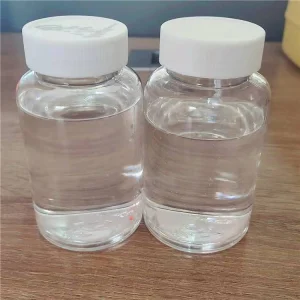
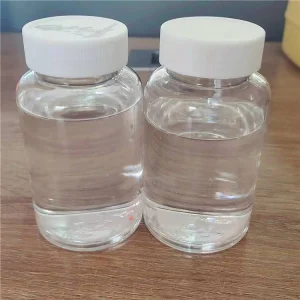
| Appearance | Light yellow to amber clear liquid | Visual Inspection |
| Active NCO Content (%) | 13.5% – 14.5% | ASTM D2572 Titration |
| Viscosity (at 25°C) | 100 – 250 mPa·s | Brookfield Rotational |
| Purity (Dimer Content) | ≥ 98.0% | Gas Chromatography / HPLC |
| Moisture Content (%) | ≤ 0.05% | Karl Fischer Titration |
Historically, Dimer Diisocyanate was developed for strategic applications, particularly as a curing agent for hydroxyl-terminated polybutadiene (HTPB) binders in composite solid rocket propellants. In solid propellants, the binder must sustain massive mechanical stress during temperature fluctuations, transport, and combustion. The combination of HTPB and DDI forms an elastomer with excellent elongation capabilities and high energetic load tolerance (accommodating up to 88% crystalline oxidizers like Ammonium Perchlorate and metallic powders like Aluminum Powder). This chemistry ensures that rocket motors do not form structural micro-cracks, preventing catastrophic failures during ignition.
Global formulation requirements differ heavily based on regional climates, specific application parameters, and mechanical expectations. Our technical support team works closely with local engineering centers to custom-tune the reactive profiles of DDI systems. By altering catalysts (e.g., organotin vs. bismuth-based alternatives) or adjusting stoichiometric ratios with polyether polyols or HTBN, we provide localized formulations that match your specific curing cycles and rheological requirements. This level of technical support guarantees seamless integration into existing lines without expensive downtime.
Chemical regulatory frameworks are evolving globally. Import and storage of specialty isocyanates like Dimer Diisocyanate (DDI) demand robust compliance records. As a premier China Ddi manufacturer, we secure all necessary certifications, including REACH compliance for European markets, TSCA listings for the United States, and GHS-compliant Safety Data Sheets (SDS). Our production sites operate under strict Environmental Protection Agency guidelines in China, ensuring that waste streams are minimized and raw dimer fatty acids are sourced from renewable agricultural by-products, promoting green chemistry.
The strategic competitiveness of buying from a Chinese Ddi manufacturer lies in the comprehensive downstream industrial integration. China hosts the world’s largest production base for dimer fatty acids, the primary precursor for DDI synthesis. This local feedstock availability insulates our supply chains from global agricultural bottlenecks. Combined with state-of-the-art chemical engineering clusters, advanced multi-stage rectification installations, and highly optimized labor structures, we offer stable bulk pricing, prompt dispatch cycles, and consistent batch-to-batch quality that competitors find difficult to match.
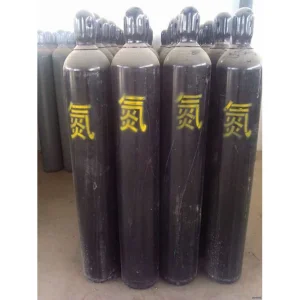
For multinational procurement officers sourcing specialized isocyanates, the criteria extend far beyond price per metric ton. Reliability of supply, logistical competence, and technical compliance form the bedrock of sustainable vendor relations. At YANXA, our logistics network is fully optimized to handle Class 9 and other specialized hazardous materials transport regulations (IMDG/IATA). We package DDI in airtight nitrogen-flushed steel drums to prevent moisture infiltration and premature polymerization, preserving reactivity profiles during extended ocean voyages.
The global polyurethanes market is undergoing a major shift away from aromatic bases in sensitive applications. The demand for bio-based raw materials, coupled with strict safety guidelines for occupational exposure, has propelled DDI to the forefront of high-performance elastomer research. We observe increasing utilization of DDI in:
As a leading developer of specialty materials, YANXA provides comprehensive matrix compatibility solutions. Curing DDI requires precise pairing with complementary functional liquid rubbers and additives. The synergy between Dimer Diisocyanate and our specialty butadiene rubber variants (such as HTBN and MLPB) allows developers to custom-design prepolymers with exact elongation, tensile strength, and chemical resistance profiles. Whether you are compounding solid propellants, specialty adhesives, or protective industrial coatings, our technical laboratory can recommend the exact ratios for optimized performance.
To ensure we satisfy the broad and unique industrial needs of our partners, YANXA maintains robust manufacturing capabilities for various high-purity chemicals, specialty gases, and advanced metal powders. Below is the operational overview of our supplementary catalog materials, maintaining their original specifications, structures, and links for maximum transparency.
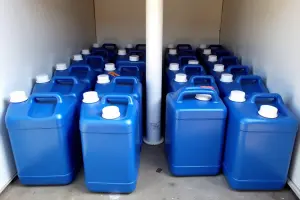
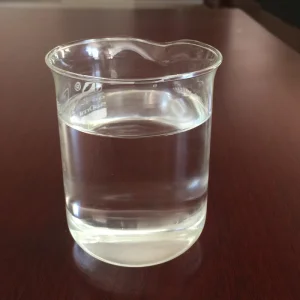
Colorless liquid, easily polymerized, readily soluble in water. supplied as formalin (37-50%).
More Info +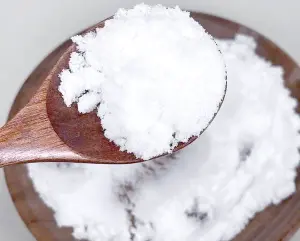
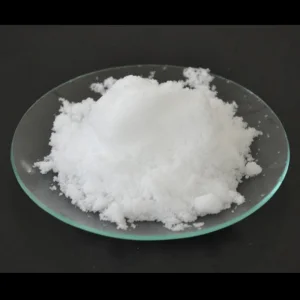
CAS No.: 100-97-0. C6H12N4. White crystalline powder from formaldehyde & ammonia condensation.
More Info +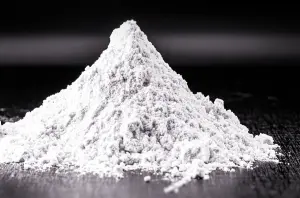
Linear polymer of formaldehyde. White powder/solid with flammable odor. Content ≥96%.
More Info +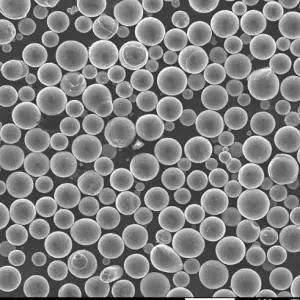
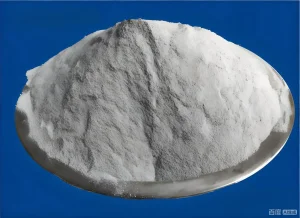
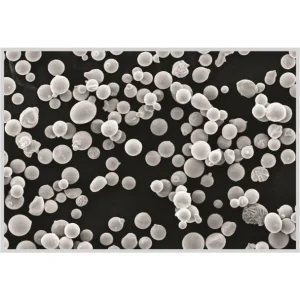
Specially designed alloyed powder with excellent sphericity for metallurgy and solid propellants.
More Info +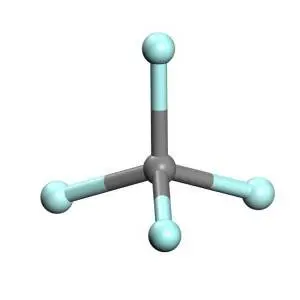
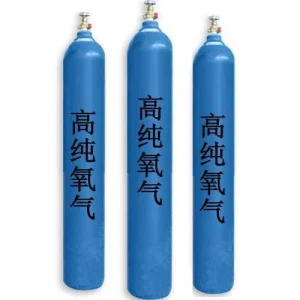
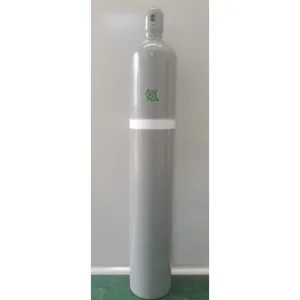
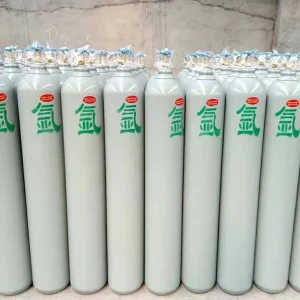
High purity semiconductor etching gas, specialized cooling agent, and dielectric insulator.
More Info +
Industrial grade food additive, anti-caking agent, and ceramic manufacturing stabilizer.
More Info +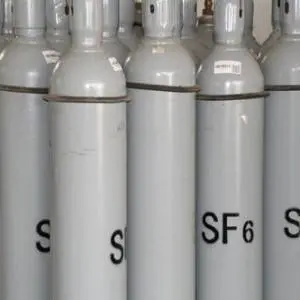
Excellent electrical insulating gas (SF6) for high-voltage circuit breakers and transformers.
More Info +Yanxatech System Industries Limited (hereinafter referred to as YANXA) is one of the growing suppliers in the field of specialty materials in China. Starting from a fledgling small business unit in 2008, YANXA is driven by the passion of developing a broad international market in the area relating to chemical and mechanical industry. Thanks to our team’s enduring and persistent work and our business partners’ long-lasting support, YANXA has steadily and vigorously grown into one company with excellence in delivering products and services relating to specialty chemicals.
Cooperating with leading manufacturers and the renowned research institutes in the field of specialty chemicals in China, YANXA is capable of supplying:
Quality, safety, and efficiency prevail over all values in our business. We care about what our customers need on general products as well as their unique and specific requirements for newly developed applications in a timely manner. We adhere strictly to the technical requirements and make deliveries in almost perfect conformity. Chemical businesses expose more safety concerns than any other industrial sectors. We undertake all activities involving chemicals in a safe way to ensure the safety of human health and the environment. Our factory has grown into a premier ISO 9001:2008 certified manufacturer of high-quality, cost-effective products.
Our prices are subject to change depending on supply, feedstock prices (specifically dimer fatty acid markets), and other market factors. We will send you an updated price list after your company contacts us with detailed volume specifications and application requirements.
Yes, we require all international orders to have an ongoing minimum order quantity. If you are looking to resell or conduct laboratory testing but in much smaller quantities, please check our website or consult our sales managers to arrange sample distributions.
Yes, we can provide the majority of necessary documentation including Certificates of Analysis (COA) / Conformance, Insurance, Certificates of Origin, GHS Safety Data Sheets (SDS), REACH registration papers, and other export/customs documentation where required.
For samples, the lead time is about 7 days. For mass production of specialty chemicals like DDI or liquid rubber batches, the lead time is 20-30 days after receiving the deposit payment. Lead times become effective when (1) we have received your deposit, and (2) we have your final approval for your products. If our proposed lead time does not work with your deadline, please discuss this with our sales manager for a workable solution.
You can make the payment to our bank account in the way of a 30% deposit in advance, and a 70% balance against the copy of B/L by T/T or L/C at sight.
We warranty our materials and workmanship. Our commitment is to ensure your complete satisfaction with our products. Under warranty or not, it is the culture of our company to address and resolve all customer concerns to achieve your total satisfaction.
Yes, we always use high-quality export packaging. We use specialized hazardous packaging for dangerous goods and validated storage containers for temperature-sensitive items. Special packaging and non-standard packaging requirements may incur an additional charge.
The shipping cost depends on the method you choose to receive the goods. Express is normally the quickest but also the most expensive route. Sea transportation is the optimal solution for larger bulk chemical shipments. Exact freight rates can be provided only when we know the details of your order amount, weight, destination, and transportation modes.
DDI features a C36 hydrocarbon backbone, which reduces toxicity, increases hydrophobic characteristics, and ensures outstanding low-temperature flexibility. Conventional aromatic isocyanates like TDI have much higher vapor pressures, present greater inhalation risks, and yellow easily under UV radiation. IPDI is non-yellowing but lacks the extreme flexibility and water-repellent properties that the fatty acid backbone gives to DDI.
 Yanxatech