Premium Liquid Rubbers and Electronic Gases Prepared for Global Export
Understanding the Shift from Solid Elastomers to Precision-Engineered Liquid Formulations
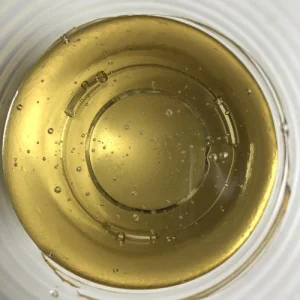
In modern industrial polymer chemistry, the demand for Liquid EPDM (Ethylene Propylene Diene Monomer) and related liquid functional rubbers is experiencing an unprecedented surge. Traditional solid EPDM elastomers, while reliable, present viscosity limits and processing bottlenecks when formulated for high-performance sealants, electrical insulation, and adhesive applications. Liquid EPDM, with its low molecular weight and fluid state at room temperature, bypasses these processing challenges, offering superior blending properties, curing control, and wetting characteristics.
Globally, industrial compounding facilities are integrating liquid EPDM into automotive coatings, roofing membranes, and high-voltage electrical components. The monomer structure maintains an saturated backbone that exhibits excellent resistance to ozone, UV radiation, thermal cycling, and chemical attack. This structural stability makes it the material of choice for infrastructure projects demanding a service life exceeding 30 years.
Supply Chain Integration, Regulatory Compliance, and Advanced Syntheses
As international buyers evaluate sourcing options, China's chemical manufacturing ecosystem offers distinct advantages that extend far beyond labor cost efficiency. The synergy of integrated petrochemical supply chains, cutting-edge synthesis technologies, and government-supported industrial parks ensures that Chinese manufacturers provide reliable and globally competitive outputs.
Chinese factories are located within closely-knit industrial clusters, ensuring direct pipeline access to base monomers like ethylene, propylene, and specialty modifiers (butadiene, maleic anhydride). This integration insulates global buyers from raw material volatility.
Leading suppliers comply with international quality protocols such as ISO 9001:2008 and REACH regulations. Advanced analytical validation (NMR, GPC molecular weight distribution, FTIR) is standard practice prior to shipment release.
Whether your application demands a high-viscosity binder for industrial adhesive formulations or a low-viscosity vehicle for structural coatings, Chinese chemical engineers can adjust Mooney viscosity, diene content, and molecular weights.
Delivering Quality, Safety, and Engineering Innovation Since 2008
Yanxatech System Industries Limited (YANXA) has established itself as an innovative, fast-growing supplier of specialty chemicals and mechanical industrial materials in China. Starting as a focused, small business unit in 2008, YANXA has been propelled by a persistent drive to connect high-performance materials with demanding global applications.
Thanks to our technical partnerships with premier research institutes and domestic manufacturing giants, YANXA stands at the forefront of providing custom and mass-produced industrial materials. We serve sectors ranging from aerospace rubber modification to advanced electronics packaging, industrial coatings, and metal powder metallurgy.
Our core operating philosophy is built on three pillars: Quality, Safety, and System Efficiency. We realize that chemical supply chains require absolute compliance with global transport rules (IMDG, IATA) and precise document control (COA, MSDS, Custom declarations), which is why our service team is recognized as an industry standard setter.
YANXA operates three highly integrated material processing wings:
Empirical Data on Formaldehyde, Hexamine, and Specialty Polyethers
Understanding the exact physical-chemical parameters of polymer precursors is vital for formulators. Below is an overview of the technical specifications of core products offered by YANXA, matching global industrial criteria.
| Product Name | Key Chemical Structure / CAS | Industrial Grade / Spec | Primary Commercial Function |
|---|---|---|---|
| Formaldehyde (Formalin) | CH₂O / CAS 50-00-0 | 37% - 50% Aqueous Solution (with Methanol stabilizer) | Phenolic resin synthesis, polymer precursor, disinfectant formulation. |
| Hexamethylenetetramine (Hexamine/HMTA) | C₆H₁₂N₄ / CAS 100-97-0 | White crystalline powder, high purity | Cross-linking agent for phenolic resins, curing agent in plastics, vulcanization accelerator. |
| Paraformaldehyde | (CH₂O)n / CAS 30525-89-4 | 92% & 96% Powder / Solid flakes | Linear polymer of formaldehyde, preferred dry source of formaldehyde for synthesis. |
| ATBN Liquid Rubber | Amino-terminated nitrile butadiene | Amine Value variable, Low Viscosity | Epoxy resin toughener, structural adhesives, structural composites. |
| HTBN Liquid Rubber | Hydroxyl-terminated nitrile butadiene | OH-value tailored, highly hydrophobic | Solid rocket propellants, aerospace sealants, automotive insulation. |
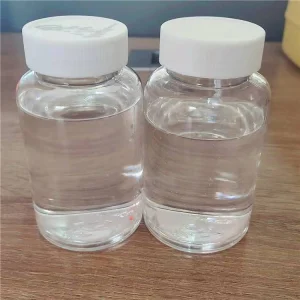
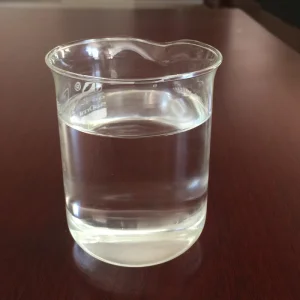
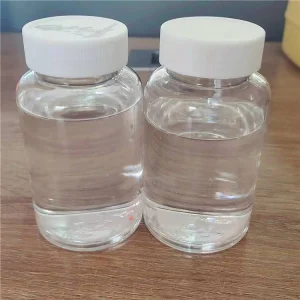
Formaldehyde: Commercially supplied in liquid form as formalin (37-50% formaldehyde in water), it is a volatile, colorless liquid with a pungent odor. Due to its propensity to polymerize at room temperature, small amounts of methanol are added as an inhibitor. Boiling point is 96°C, relative density is 0.815 (-20°C), and flash point is 55°C.
Hexamine (HMTA): Formed by the reaction of formaldehyde and ammonia, this heterocyclic organic compound is highly soluble in water and polar organic solvents. It is predominantly used as a cross-linking agent in the production of powder or liquid phenolic resins (Novolaks), facilitating high mechanical strength in brake pads, grinding wheels, and refractory components.
Mitigating Procurement Risks, Compliance Issues, and Logistical Challenges
Global procurement requires strict pre-shipment inspections. Ensure your factory partner offers continuous quality validation. A comprehensive Certificate of Analysis (COA) detailing density, viscosity, particle size distribution, and impurity profiles must accompany every batch.
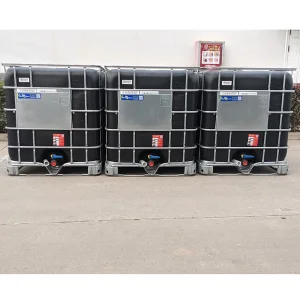
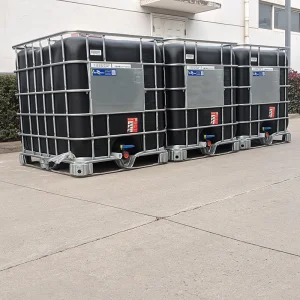
Many specialty elastomers and precursor chemicals (e.g., Nitrates, Formaldehyde) fall under hazardous classification. Work with suppliers who employ UN-approved drums, IBC tanks, and double-walled containment structures to prevent leaking and moisture ingress during long sea routes.
Exporting chemical materials from China to North America, the EU, or Southeast Asia requires deep understanding of country-specific import laws, including REACH (Europe), TSCA (USA), and local environmental protection policies. Partnering with experienced players like YANXA mitigates customs hold risks.
Clear Answers to Facilitate Secure Global Technical Transactions
Advanced Polymer Modifiers, Industrial Powders, and Gases
 Yanxatech