Direct supply from China's leading synthesis facilities, conforming to strict ISO certifications and global quality criteria.
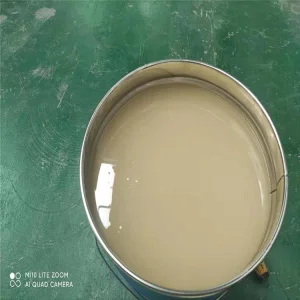
Liquid rubber roofing represents a major evolution in elastomeric protective coatings. Historically, structural waterproofing relied on prefabricated sheets, seams, and physical membranes (like EPDM or TPO). However, these systems inherently feature joints and seams which represent primary failure points under stress. Modern liquid rubber, synthesized utilizing advanced liquid polymers such as Hydroxyl-Terminated Butadiene-Styrene (HTBS) and Liquid Styrene Butadiene Rubber (LSBR), offers a seamless, monolithic protective barrier that bonds directly to substrates.
These advanced polymers are characterized by exceptional flexibility, chemical stability, and elastomeric recovery. When cured, they create a highly cross-linked rubber matrix capable of elongating over 500% without structural failure. This accommodates substantial thermal expansion and contraction without tearing or delaminating.
1. Hydroxyl-Terminated Butadiene-Styrene (HTBS): Prominently utilized in demanding industrial applications, HTBS introduces reactive hydroxyl groups at the terminal ends of the polymer chain, allowing for custom cross-linking with polyurethanes or epoxy resins. This results in superior wear resistance, impact absorption, and environmental protection.
2. Epoxy-Modified Liquid Rubber (EPB): By introducing epoxy groups to the polybutadiene chain, Epoxidized Polybutadiene (EPB) combines the high elasticity of liquid rubber with the structural adhesion and chemical resistance of epoxy resins. It represents a preferred material for high-traffic decks, industrial roof configurations, and corrosive chemical environments.
3. Liquid Styrene Butadiene Rubber (LSBR): Known for excellent processing traits and low-temperature flexibility, LSBR is highly compatible with asphalt modifier formulations, dramatically improving crack resistance in cold weather.
Adapting membrane chemistry to diverse climate profiles and specialized industrial structural demands.
In regions facing intense sunlight and elevated ambient temperatures, UV radiation rapidly degrades traditional bitumen coatings. Advanced HTBS and liquid rubber formulations incorporate specialized UV stabilizers and reflective pigments. This chemistry not only prevents degradation but reduces roof surface temperatures, contributing to substantial cooling energy savings for commercial facilities.
Coastal environments expose buildings to continuous moisture and airborne salts, accelerating structural degradation. Liquid rubber's seamless application eliminates joint failure mechanisms. Its low moisture vapor transmission rate (MVTR) prevents salt spray from penetrating to concrete and steel, avoiding internal rebar corrosion.
Chemical processing and manufacturing plants often release acidic or alkaline airborne residues that damage common single-ply roofing. Epoxy Modified Liquid Rubber (EPB) exhibits remarkable chemical resistance to dilute acids, alkalis, and oils, shielding primary concrete or metal roof decks from corrosive damage.
The concentration of raw material synthesis (butadiene, styrene, epoxy resins) in close proximity to China’s chemical manufacturing clusters reduces transport times, stabilizes chemical feedstocks, and yields lower costs. Our collaborative partnerships with research institutes facilitate rapid iteration from basic chemical concepts to functional field-tested formulations.
As global supply chains face volatility, China's liquid rubber manufacturing sector retains its competitiveness through raw material access, vertical integration, and cluster-based efficiency. Chinese chemical clusters feature integrated utilities, automated production equipment, and strict environmental control systems.
Working with an established developer like YANXA (Yanxatech System Industries Limited) ensures customers benefit from optimized raw material sourcing, scale-driven cost savings, and professional handling of regulated specialty chemicals. We integrate specialized logistics paths to manage the storage and transport of dangerous goods, preserving material performance from the production line to your local port.
The next generation of smart elastomeric coatings and sustainable chemical synthesis.
Incorporating micro-encapsulated healing agents within the HTBS elastomeric matrix. When micro-cracks form under mechanical strain, the capsules rupture, releasing reactive monomers that repair the crack at the molecular level without human intervention.
To reduce dependence on petroleum feedstocks, research is focused on integrating bio-butadiene derived from renewable agricultural materials. This preserves elastic performance while reducing the carbon footprint of structural waterproofing projects.
Developing coatings that transition color based on surface temperature. Under cold conditions, the coating darkens to absorb heat; in extreme heat, it changes to reflective white to minimize building cooling loads.
Yanxatech System Industries Limited (hereinafter referred to as YANXA) is one of the growing suppliers in the field of specialty materials in China. Starting from a fledgling small business unit in 2008, YANXA is driven with the passion of developing a broad international market in the areas relating to chemical and mechanical industries.
Thanks to our team’s enduring and persistent work and our business partners’ long-lasting support, YANXA has steadily and vigorously grown into a company with excellence in delivering products and services relating to specialty chemicals. Cooperating with leading manufacturers and renowned research institutes in the field of specialty chemicals in China, YANXA is capable of supplying:
1) liquid rubber;
2) nitrate;
3) metal powder & metal alloyed powders;
Quality, safety and efficiency prevail over all other values in our business. We care about our customers’ needs on general products as well as their unique and specific requirements for newly developed applications in a timely manner. We adhere strictly to technical requirements and deliver products in almost perfect conformity.
Chemical businesses expose more safety concerns than most other industrial sectors. We undertake all activities involving chemicals in a safe way to ensure the safety of human health and the environment. Our factory has grown into a premier ISO9001:2008 certified manufacturer of high-quality, cost-effective products.
Original core catalog products detailed with chemical specifications and application attributes.
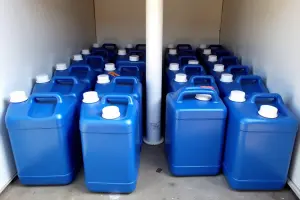
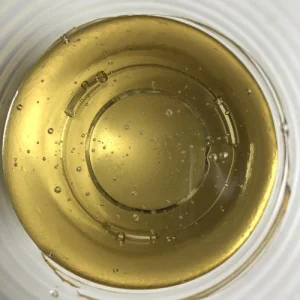
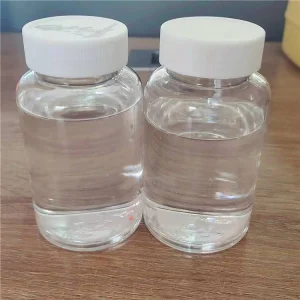
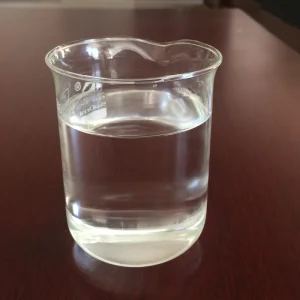
A colorless liquid, easily polymerized, soluble in water and alcohols. Supplied as formalin (37-50% solution with methanol stabilizer). Acts as a strong reducing agent.
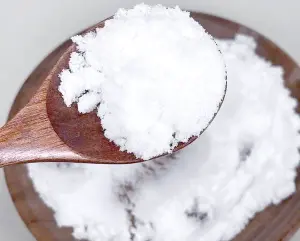
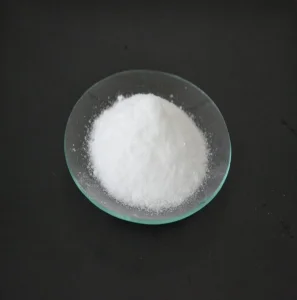
White crystalline powder from formaldehyde & ammonia condensation. Versatile organic chemical intermediate. CAS No: 100-97-0, Formula: C₆H₁₂N₄.
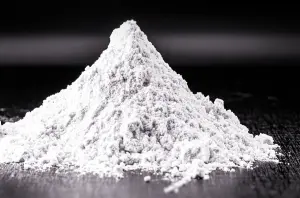
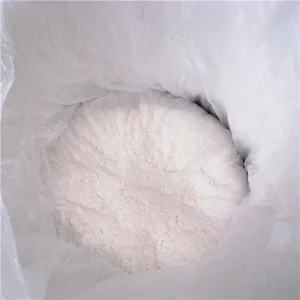
White powdery solid, linear polymer of formaldehyde with no fixed melting point. High solubility and low formic acid impurities.
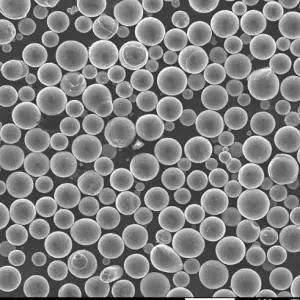
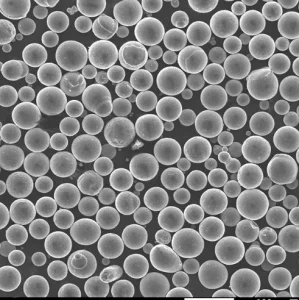
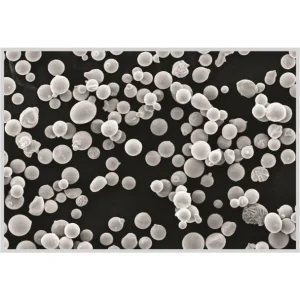
Atomized spherical aluminum magnesium alloy powder. Engineered for powder metallurgy and industrial applications.
| Item / Chemical Name | Key Specifications | Appearance | Primary Industrial Use |
|---|---|---|---|
| Formaldehyde (Formalin) | Content: 37% - 50% solution, Boiling point: 96℃ | Milky white solution with foul odor | Chemical synthesis and polymer intermediate |
| Hexamethylenetetramine (HMTA) | CAS No: 100-97-0, Purity: ≥99% | White crystalline powder | Resins, rubber processing, pharmaceutical synthesis |
| Paraformaldehyde Powder 96% | Content: ≥96%, Formic acid: ≤0.05%, pH: 5-7 | White solid powder | Organic chemical synthesis & coating resins |
| Atomized Al-Mg Alloy Powder | High sphericity, customized mesh sizes | Gray metallic powder | Additive manufacturing, industrial alloys |
Exporting chemical compounds demands rigorous adherence to international standards. At YANXA, we implement robust quality management protocols under the ISO 9001 framework. Every chemical batch undergoes analysis to verify its molecular weight distribution, purity levels, and reactive group content.
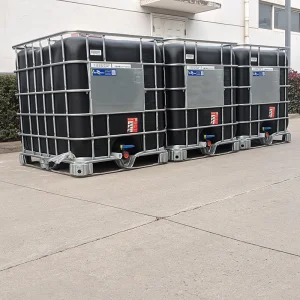
To prevent polymerization or contamination during transit, we utilize hermetically sealed containers and climate-controlled shipping channels when required. This ensures the integrity of moisture-sensitive liquid rubber polymers, so they arrive ready for application.
Quality and safety underwrite all chemical sourcing activities at YANXA. By partnering with premium chemical research centers and factories in China, we verify that every shipment conforms to technical specifications and safety standards.
Essential guidance on purchasing terms, technical specifications, shipping logistics, and product warranties.
Our prices are subject to change depending on supply, raw material feedstocks, and other market factors. We will send you an updated price list after your company contacts us for further information, including raw material volume demands and technical customization criteria.
Yes, we require all international orders to have an ongoing minimum order quantity (MOQ) to align with commercial chemical dispatch practices. If you are looking to purchase smaller pilot quantities for validation testing, please contact our team to discuss arrangements.
Yes, we can provide most documentation including Certificates of Analysis / Conformance (COA/COC); Insurance; Country of Origin, and other export documents where required. We also provide compliant safety datasheets (SDS) in various languages.
For samples, the lead time is about 7 days. For mass production, the lead time is 20-30 days after receiving the deposit payment. Lead times become effective when (1) we have received your deposit, and (2) we have your final approval for your products. If our proposed lead time does not work with your deadline, please contact our sales manager to check for workable solutions.
You can make payments to our bank account in the way of a 30% deposit in advance, and a 70% balance against the copy of B/L by T/T or L/C at sight.
We warranty our materials and workmanship. Our commitment is to ensure you are satisfied with our products. Under warranty or not, it is the culture of our company to address and resolve all customers' concerns and meet your satisfaction.
Yes, we always use high-quality export packaging. We use specialized hazardous materials packaging for dangerous goods and validated cold storage shipping for temperature-sensitive items. Specialized packaging requirements may incur additional charges.
Shipping costs depend on the transport method you choose to receive the goods. Express is normally the quickest but also the most expensive way. Sea transportation is the best solution for large orders. Exact freight rates can be provided once we know the details of your order amount, weight, and preferred means of transport.
Complete your supply chain needs with YANXA's fully compliant chemical catalog.
 Yanxatech