High-grade specialty chemical supplies, high-purity industrial gases, and synthetic liquid rubber bases serving advanced industrial manufacturing.
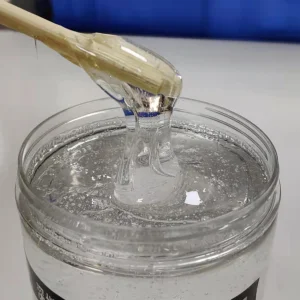
Yanxatech System Industries Limited (hereinafter referred to as YANXA) is a premier growing supplier in the field of specialty materials in China. Starting as a fledgling small business unit in 2008, YANXA has been driven by a passion to develop a broad international market in chemical and mechanical industries. Thanks to our team's enduring, persistent work and our business partners' long-lasting support, YANXA has steadily grown into a mature company renowned for excellence in delivering high-value products and services relating to specialty chemicals.
Liquid Silicone Rubber (LSR) injection moulding represents a peak technology in modern elastomer manufacturing. Unlike traditional high-consistency rubber (HCR) processing, which relies on solid gum stock, LSR injection moulding utilizes a two-part liquid compound (Component A containing a platinum catalyst, and Component B containing the methyl-hydro siloxane crosslinker) mixed in a 1:1 ratio. This material is injected into heated mould cavities to induce rapid vulcanization and polymerisation.
This method delivers unmatched precision, outstanding thermal resilience, flexibility down to -60°C, stability up to 250°C, and superb biocompatibility. In highly demanding fields like medical device manufacturing, automotive electric powertrains, infant care, and aerospace engineering, LSR molding has become the standard design choice.
"By integrating advanced mechanical automation with material chemistry, LSR molding eliminates secondary finishing operations and ensuresflash-free, high-tolerance components directly from the demolding cycle."
China's manufacturing ecosystem provides a powerful combination of low-cost raw material production and high-precision mould tool engineering. Leading factories leverage fully automated closed-loop systems, integrating dosing units directly with high-performance injection machines.
By partnering with local chemical providers and utilizing China's massive liquid rubber feedstock chain (including LSBR, CTBN, and specialty polyethers), Chinese factories offer cost-effective production without sacrificing material purity. This complete integration—from base silicone monomers to advanced high-precision tooling—allows global engineering teams to reduce capital tooling costs by 40% to 60% compared to Western alternatives, while matching or exceeding equivalent quality standards.
When specifying LSR grades for custom projects, engineers must map physical requirements to specific material attributes. The table below lists standard engineering classes of liquid silicone rubbers typically processed in high-end China factories:
| LSR Grade Type | Durometer (Shore A) | Tensile Strength (MPa) | Elongation at Break (%) | Key Industrial Standards |
|---|---|---|---|---|
| Standard Industrial Grade | 30 - 70 | 6.5 - 9.0 | 350 - 550 | RoHS, REACH, UL94-HB |
| Food Contact Grade | 40 - 80 | 7.5 - 10.0 | 300 - 500 | FDA 21 CFR 177.2600, LFGB |
| Medical & Biocompatible Grade | 20 - 80 | 8.5 - 11.0 | 450 - 650 | ISO 10993, USP Class VI |
| Self-Lubricating Grade | 30 - 60 | 6.0 - 8.5 | 300 - 450 | Automotive Gasket Specs |
| Flame Retardant (Self-Extinguishing) | 50 - 70 | 7.0 - 9.5 | 250 - 400 | UL 94-V0 Classification |
LSR pricing structures depend on tooling configuration and processing variables. Standard price lists typically separate costs into non-recurring tooling engineering and per-piece manufacturing rates:
To maintain high reliability, YANXA's partner manufacturing network complies with ISO 9001:2008 and updated ISO 9001:2015 frameworks. Medical component molding is conducted inside Class 100,000 (ISO Class 8) and Class 10,000 (ISO Class 7) cleanrooms to prevent particulate contamination.
Our strict quality control procedures rely on automated visual inspection machines, optical comparators, and coordinate measuring machines (CMM) to verify critical dimensions within ±0.05mm tolerances. Material validation includes full certificate of analysis (COA) documentation, material test reports, and compliance certificates for USP Class VI and European LFGB standards.
Our quality control systems ensure thorough monitoring at every stage of production. Process controls track temperature, injection pressure, and cycle times to prevent defect formation.
Partner facilities are certified to ISO 9001, providing international-grade manufacturing and document tracing for global automotive and industrial projects.
We process non-toxic, eco-friendly liquid rubbers. Production systems utilize energy-saving servo motors and minimize material waste through optimized runner designs.
LSR components perform reliably in challenging operational environments. Typical application scenarios include:
Detailed product overviews of our hot chemical intermediates, powders, and polymers engineered to meet global quality standards.
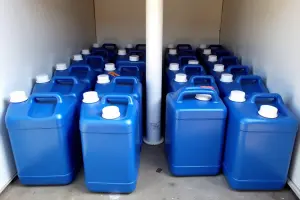
A colorless liquid, easily polymerized, readily soluble in water. Commercially supplied as formalin (37-50% solution with methanol stabilizer). Actively used as a raw material for resin manufacturing.
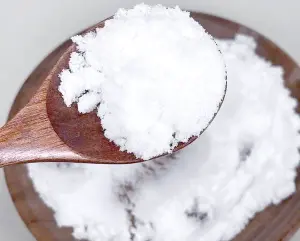
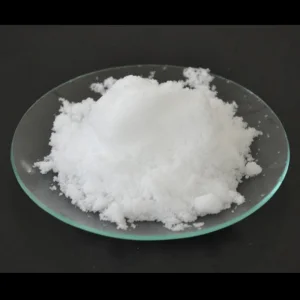
White crystalline powder produced by reacting formaldehyde and ammonia. CAS No.: 100-97-0. Essential organic intermediate for plastics, rubber accelerators, and explosive synthesis.
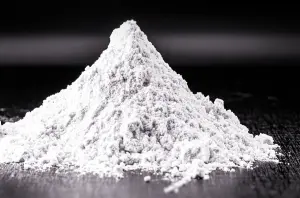
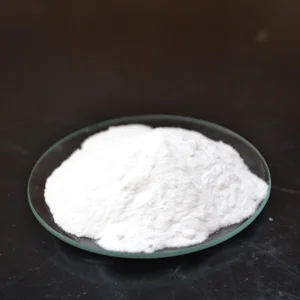
A high-quality linear polymer of formaldehyde in white powder form. Soluble in hot water, serving as a clean source of gaseous formaldehyde for chemical synthesis and resin production.
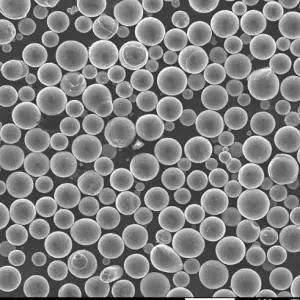
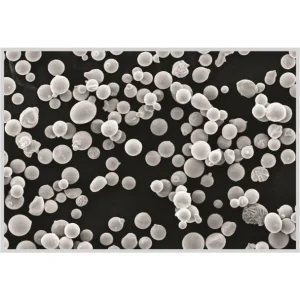
Atomized spherical alloy powder engineered for high-performance metallurgy, aerospace, pyrotechnics, and energetic chemical applications. High purity and consistent mesh distribution.
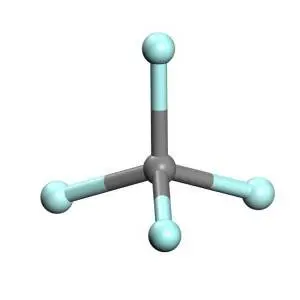
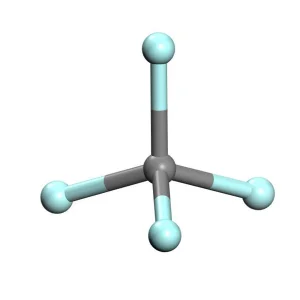
High-purity electronic gas utilized for plasma etching processes in semiconductor wafer fabrication. Sourced and cylinder-packed under strict quality controls.
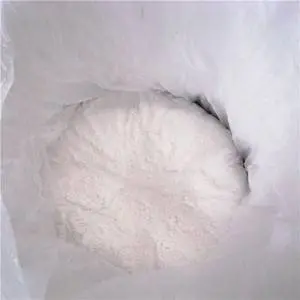
Premium grade chemical used as an anti-caking agent, food additive, and mineral supplement in chemical, food, and pharmaceutical formulations.
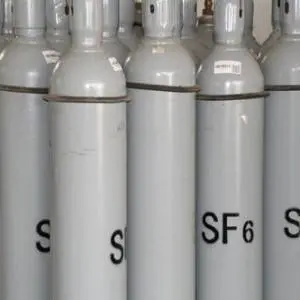
Exceptional dielectric gas used for electrical insulation in high-voltage switchgear, transmission lines, and transformers. Offered in high-purity grades.
Key information regarding ordering, engineering validation, payment terms, and logistics for international buyers.
Explore our secondary selection of manufacturing materials, high-density metal powders, and precision synthetic chemicals.
 Yanxatech