Explore YANXA’s key product portfolio of liquid rubber, metal powders, nitrates, and specialty chemical compounds.
Technical insights, synthetic mechanisms, manufacturing capabilities, and global trade standards.
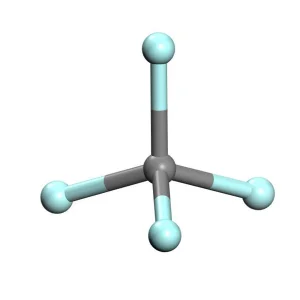
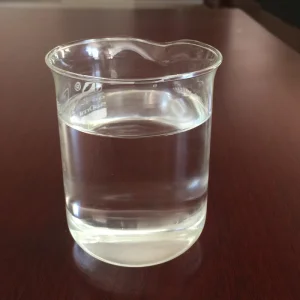
Methyl Hydrazine (also known as Monomethylhydrazine, MMH, CAS 60-34-4) is a volatile, highly reactive hydrazine derivative. Structurally represented as CH₃NHNH₂, it acts as a crucial energetic material and a highly targeted synthetic intermediate. In industrial manufacturing, producing high-purity MMH requires absolute precision in chemical kinetics, heat dissipation, and separation engineering.
The primary synthetic pathway for methyl hydrazine is based on the modified Raschig process. In this chemical synthesis pathway, monochloramine (NH₂Cl) is reacted with monomethylamine (CH₃NH₂). The reaction proceeds through a nucleophilic substitution mechanism under pressurized, controlled aqueous environments:
Maintaining a high yield of MMH requires suppressing side reactions, such as the further reaction of MMH with monochloramine to form formaldehyde hydrazone or nitrogen gas. This is achieved by utilizing a significant stoichiometric excess of monomethylamine, which must subsequently be recovered and recycled through continuous distillation setups. Alternative pathways, such as the catalytic alkylation of hydrazine or the reduction of methylhydrazones, are also utilized depending on feedstock availability and required purity profiles.
China has established a robust ecosystem for the production of advanced chemical intermediates and energetic reagents. Factories operating in designated national chemical parks benefit from massive upstream integration and strict oversight, positioning China as a leading hub for MMH synthesis:
MMH is widely utilized as a liquid storable rocket propellant, typically in combination with dinitrogen tetroxide (N₂O₄) oxidizers. Its hypergolic nature (spontaneous ignition upon contact) makes it ideal for spacecraft maneuvering thrusters, orbital insertion stages, and reaction control systems (RCS).
In organic synthesis, MMH acts as a building block for heterocyclic structures. It is used to synthesize pyrazoles and triazoles, which serve as active pharmaceutical ingredients (APIs) and advanced agrochemicals for crop protection.
MMH derivatives find niche applications as polymerization inhibitors, antioxidants, and chemical blowing agents, improving performance metrics in specialized engineering resins.
Global procurement offices demand rigid adherence to standard compound specifications. Below is the typical technical data sheet for high-purity methyl hydrazine synthesized by top Chinese suppliers:
| Parameter | Propellant Grade Specification | Industrial/Synthetic Grade Specification |
|---|---|---|
| Assay (CH₃NHNH₂) | ≥ 99.3 wt% | ≥ 98.5 wt% |
| Water (H₂O) Content | ≤ 0.5 wt% | ≤ 1.0 wt% |
| Insoluble Matter | ≤ 0.05 wt% | ≤ 0.1 wt% |
| Other Hydrazines | ≤ 0.2 wt% | ≤ 0.5 wt% |
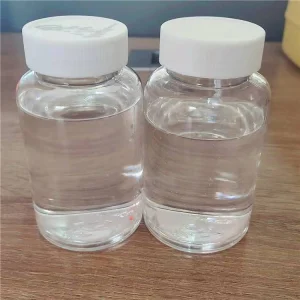
| Appearance | Clear, colorless liquid | Clear, colorless to light yellow liquid |
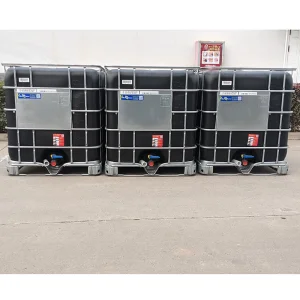
Due to its toxic, corrosive, and flammable nature, methyl hydrazine is classified as a hazardous chemical under international transport regulations (UN 1244, Hazard Class 6.1 + 3 + 8). Sourcing MMH globally requires strict compliance:
Providing high-performance specialty materials and chemicals since 2008.
Starting from a fledgling small business unit in 2008, YANXA has been driven with the passion of developing a broad international market in areas relating to the chemical and mechanical industries. Through persistent work and long-lasting partnerships, we have steadily grown into a premier supplier of specialty chemicals.
Cooperating with leading manufacturers and renowned research institutes in China, YANXA is capable of supplying: 1) liquid rubber; 2) nitrates; 3) metal powders & metal alloyed powders. We provide high-quality, cost-effective products to meet diverse industrial needs.
Quality, safety, and efficiency prevail over all values in our business. Chemical business exposes more safety concerns than other industrial sectors. We undertake all chemical activities in a safe manner to protect human health and the environment, ensuring perfect conformity with client specifications.
Review details of our standard and legacy chemical catalogs:
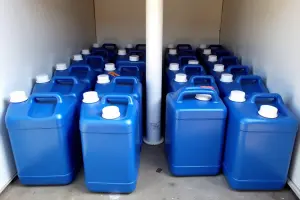
A colorless liquid, easily polymerized, acting as a strong reducing agent. Commercially supplied as formalin (37-50% formaldehyde solution with methanol inhibitor).
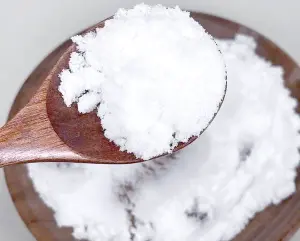
CAS No.: 100-97-0. A white crystalline powder produced by the reaction of formaldehyde and ammonia. Used in industrial manufacturing, rubber processing, and pharmaceuticals.
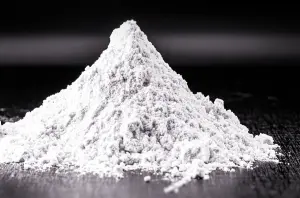
A white powdery solid polymer of formaldehyde. Specifications: Content ≥96%, Solubility ≤40 minutes, Formic acid ≤0.05%, pH 5-7.
The manufacturing landscapes for toxic hydrazine derivatives are shifting toward green chemical engineering principles. Major global players focus on minimizing waste generation, recovering excess reactant amines, and building automated hazard mitigation loops.
Modern factories in China are incorporating SCADA (Supervisory Control and Data Acquisition) architectures to manage reactor pressures and temperature variations in real-time. In the event of a thermal excursion, emergency quench systems deploy aqueous neutralizers instantly. This level of process reliability establishes stable bulk pricing structures and ensures reliable long-term supply agreements for global purchasers.
Addressing international buyers' inquiries about chemical sourcing, safety compliance, and trade terms.
Browse additional items from our supply network including rubber grades and atomized alloy powders.
 Yanxatech