High-purity raw materials and industrial compounds manufactured under strict regulatory oversight.
In modern gastroenterology, colonoscopy stands as the definitive gold standard for colorectal cancer screening and diagnostic bowel evaluation. The clinical efficacy, visualization accuracy, and adenoma detection rate (ADR) of a colonoscopy procedure are fundamentally dependent on the quality of pre-operative bowel cleansing. Polyethylene Glycol (PEG) bowel preparation solutions have revolutionized this clinical segment.
As a non-absorbable osmotic laxative, PEG functions by retaining water in the intestinal tract through hydrogen bonding, promoting bowel movements without causing structural changes to the mucosal lining or inducing significant fluid and electrolyte shifts. This safety profile makes pharmaceutical-grade PEG 3350 and PEG 4000 the absolute choice for high-risk patients, including elderly individuals and those with renal or cardiovascular dysfunctions.
High-volume PEG regimens (typically 4 Liters) and low-volume combinations (2 Liters PEG combined with ascorbic acid or bisacodyl) require ultra-consistent chemical properties. As leading manufacturers, our chemical synthesis routes are tailored to deliver excipients that guarantee perfect patient tolerance, taste-masking stability, and rapid solubility.
Learn More About StandardsMapping the supply chain dynamics, regional demands, and manufacturing output of pharmaceutical-grade Polyethylene Glycol.
The global pharmaceutical excipient market has experienced steady volume growth, particularly for polyols and ether-based polymers. China has emerged as a key supply node, harboring massive polymerization complexes that produce medical-grade PEG 3350, PEG 4000, and PEG 6000. These facilities bridge the gap between heavy chemical synthesis and cleanroom pharmaceutical refinement.
Securing high-purity ethylene oxide (EO) precursors locally in industrial chemical zones in China ensures continuous manufacturing runs and price stability, shielding global buyers from petrochemical price spikes.
Unlike industrial PEG, colonoscopy-grade PEG requires removing traces of ethylene glycol (EG) and diethylene glycol (DEG). Specialized purification columns keep these impurities well below pharmacopeial limits.
Equipped with fully automated, humidity-controlled cleanroom packing lines, factories can deliver bulk PEG in anti-static PE bags or directly pack them into single-dose patient sachets.
Detailed physical and chemical parameters of Polyethylene Glycol formulations utilized in clinical gastrointestinal prep.
| Parameter | PEG 3350 (USP-NF Grade) | PEG 4000 (EP Grade) | Testing Methodology |
|---|---|---|---|
| Average Molecular Weight | 3015 – 3685 g/mol | 3600 – 4400 g/mol | Gel Permeation Chromatography (GPC) |
| Ethylene Glycol & Diethylene Glycol | ≤ 0.25% w/w total | ≤ 620 ppm | Gas Chromatography (GC-FID) |
| Ethylene Oxide (EO) Residual | ≤ 10 ppm | ≤ 1 ppm | Headspace Gas Chromatography |
| 1,4-Dioxane Residual | ≤ 10 ppm | ≤ 10 ppm | Headspace Gas Chromatography |
| Heavy Metals (as Pb) | ≤ 5 ppm | ≤ 5 ppm | ICP-MS |
| Water Content (Karl Fischer) | ≤ 1.0% | ≤ 1.0% | Volumetric Titration |
Yanxatech System Industries Limited (hereinafter referred to as YANXA) is one of the growing suppliers in the field of specialty materials in China. Starting from a fledgling small business unit in 2008, YANXA is driven with the passion of developing a broad international market in the area relating to chemical and mechanical industries.
Thanks to our team’s enduring and persistent work and our business partners’ long-lasting support, YANXA has steadily and vigorously grown into a company with excellence in delivering products and services relating to specialty chemicals. Cooperating with leading manufacturers and renowned research institutes in the field of specialty chemicals in China, YANXA ensures robust supply chains and top-tier product compliance.
Quality, safety, and efficiency prevail over all values in our business. We care about what our customers need for general products as well as their unique and specific requirements for newly developed applications in a timely manner. We adhere strictly to technical requirements and make deliveries in near-perfect conformity. Chemical businesses carry significant safety responsibilities. We undertake all chemical handling activities safely to protect human health and the environment.
Detailed physical-chemical profiles of core compounds provided by YANXA for industrial, medical, and process applications.
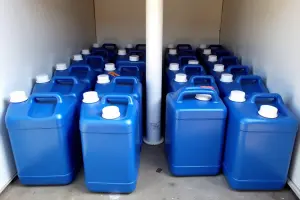
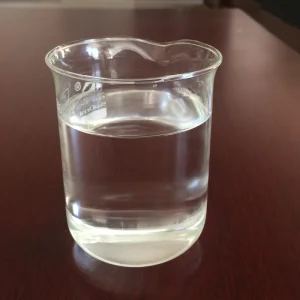
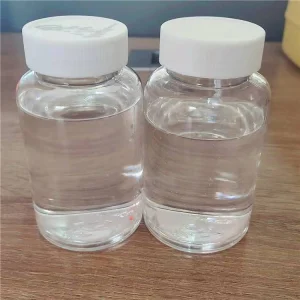
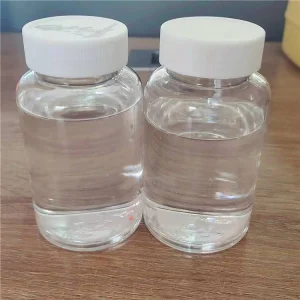
A colorless liquid, easily polymerized, readily soluble in water, alcohol, and ether. Rapidly oxidized to formic acid in air. Commercially supplied as formalin (37-50% formaldehyde solution with methanol inhibitor to prevent polymerization).
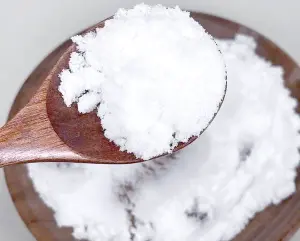
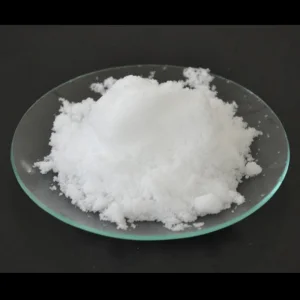
White crystalline powder produced by the condensation reaction of formaldehyde and ammonia. Widely used as an organic chemical intermediate in industrial manufacturing, rubber processing, and explosives synthesis. CAS No: 100-97-0.
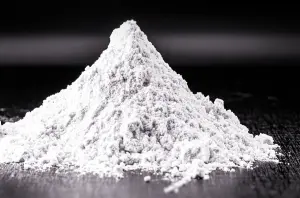
A linear polymer of formaldehyde with a flammable odor of formaldehyde. White powdery solid with no fixed melting point. Active content ≥ 96% or ≥ 92%. Solubility ≤ 40 minutes, Formic acid ≤ 0.05%, pH 5-7.
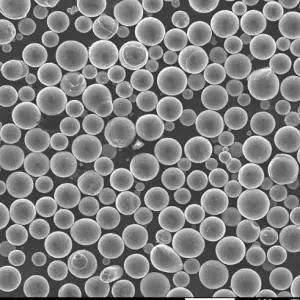
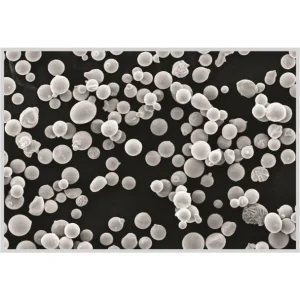
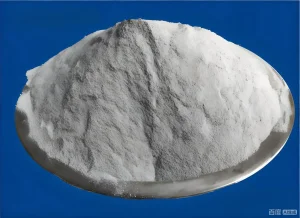
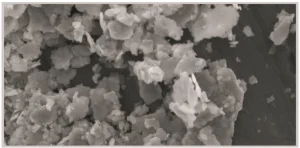
Advanced powder metallurgy solution featuring excellent sphericity and highly uniform grain size distribution. Specially developed for pyrotechnic, aerospace, and advanced additive manufacturing applications.
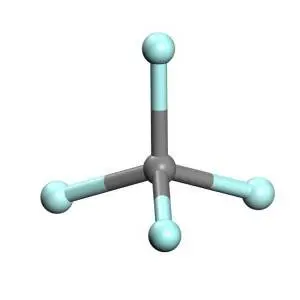
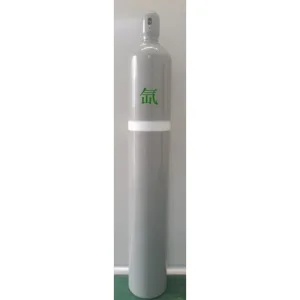
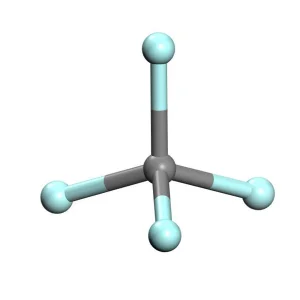
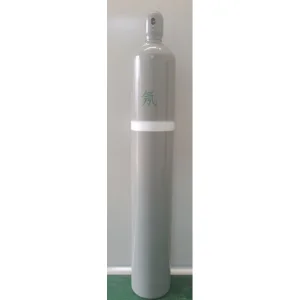
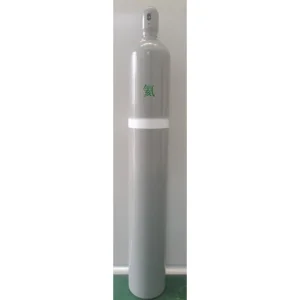
Highly stable, non-flammable halide gas (CF4) used primarily as a low-temperature refrigerant, in semiconductor plasma etching processes, and as a dielectric medium in heavy electrical systems.
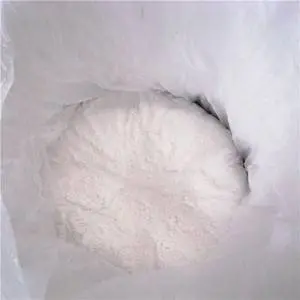
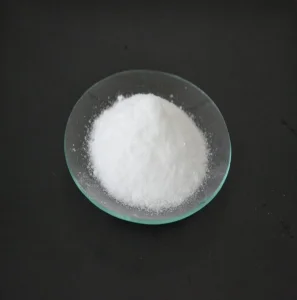
High purity white powder used as an anti-caking agent in powder processing, dietary calcium supplement in pharmaceutical applications, and raw precursor material in bioceramic bone grafting.
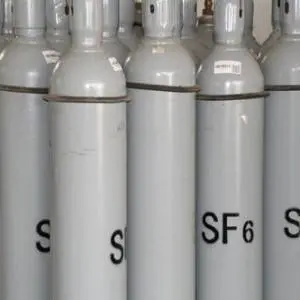
Excellent gaseous dielectric insulation medium for high-voltage power transmission grids, switchgear components, and particle accelerators, manufactured to strict purity requirements.
How pharmaceutical-grade PEG raw material is converted and processed across major markets globally.
In formulation facilities across Europe and North America, PEG 3350 powder is mixed with electrolytes (Sodium Sulfate, Sodium Bicarbonate, Sodium Chloride, Potassium Chloride) to form a homogeneous dry blend. This requires PEG with a uniform particle size distribution to prevent segregation during automated packet filling. The powder must flow smoothly through industrial hoppers without static build-up.
Emerging pediatric and geriatric ready-to-drink formulations require immediate solubility and zero sediment formation. Our PEG raw material is tested for clarity of solution and color absorbance levels to ensure that, upon dilution, the patient receives a crystal-clear, sediment-free dosage.
Securing global market access involves complex chemical documentation registries. China factories provide a comprehensive document pack for foreign purchasers:
Emerging trends in pharmaceutical excipients and long-term sustainability initiatives in chemical polymerization.
As carbon neutrality mandates expand, our partners are testing biological-derived ethanol dehydration to synthesize bio-ethylene oxide. This transition will significantly lower the cradle-to-gate carbon footprint of future medical-grade PEG polymers.
PDI measures the distribution of molecular mass in a polymer batch. By leveraging advanced anionic ring-opening polymerization catalysts, future batches of PEG 3350 aim to achieve PDI values under 1.02, ensuring highly predictable viscosity and dissolution kinetics.
High-purity linear PEG molecules act as backbone chains for therapeutic protein PEGylation. Improving polymer conjugation compatibility allows pharmaceutical developers to increase drug circulation half-life and improve therapeutic performance.
Our collaborative factories are ISO 9001:2008 certified, ensuring a structured approach to quality management systems. Our Quality Control laboratories are equipped with modern analytical instruments, including:
Request COA, MSDS, GMP Compliance Statements, and Raw Material Origin documentation packages from our export management department.
Request DocumentationAnswers to technical, regulatory, purchasing, and shipping questions for global buyers.
Our prices are subject to change depending on supply, raw material raw costs, and other market factors. We will send you an updated price list after your company contacts us for further information.
Yes, we require all international orders to have an ongoing minimum order quantity depending on the specific product class. If you are looking to purchase smaller trial quantities, please contact our sales manager.
Yes, we can provide most documentation including Certificates of Analysis (COA) / Conformance, MSDS, Product Specifications, Insurance, Country of Origin certificates, and other custom export documentation where required.
For samples, the lead time is about 7 days. For mass production batches, the lead time is 20-30 days after receiving the deposit payment. Lead times become effective when we receive your deposit and have final approval for your products.
You can make payments directly to our bank account. Our standard terms are a 30% deposit in advance, with the remaining 70% balance payable against a copy of the Bill of Lading (B/L) by T/T or L/C at sight.
We warrant our materials and workmanship. Our commitment is to ensure you are fully satisfied with our products. Regardless of warranty status, it is the culture of our company to address and resolve all customer concerns to your satisfaction.
Yes, we always use high-quality export-certified packaging. We also use specialized hazardous material packaging for dangerous goods and validated temperature-controlled shippers for sensitive items. Specialized packaging requirements may incur an additional charge.
Shipping costs depend on the delivery method you choose. Ocean freight is the most cost-effective solution for large volume orders, while express courier is the fastest but most expensive. Exact freight rates can be provided once we know your order amount, weight, and delivery location.
Further product listings including metal powders, high-purity rare gases, and specialty synthetic rubbers.
 Yanxatech