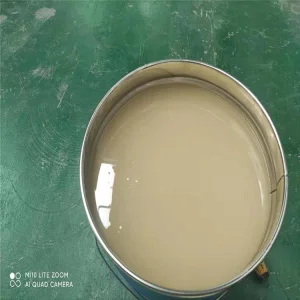
Synthetically tailored through physical entanglement or covalent crosslinking mechanisms, PEG hydrogels provide critical mechanical support and biocompatible environments. In tissue engineering, their structure serves as an artificial extracellular matrix (ECM) capable of supporting cell growth and migration. By altering the molecular weight (MW) of the precursor PEG and the density of functional end groups (such as acrylates, maleimides, or N-hydroxysuccinimide esters), YANXA optimizes parameters such as swelling ratios, mesh sizes, and degradation kinetics to align with target applications.
Through strategic partnerships with prominent Chinese research laboratories and ISO-compliant chemical production sites, we transition experimental hydrogel chemistries into macro-scale industrial reality. Our expertise in multi-arm PEG systems and custom end-functionalization establishes YANXA as an essential pillar of the global biomaterials supply chain.
We synthesize customized multi-arm PEG molecules (2-arm, 4-arm, 8-arm) functionalized with thiol, acrylate, or amine groups to facilitate specific user-end crosslinking kinetics.
Adhering to strict molecular weight distribution controls (low polydispersity indices, PDI < 1.05) ensures uniform batch consistency for critical physiological application.
By optimizing catalysis and implementing clean solvent recovery during ethoxylation and functionalization, we reduce environmental footprints without losing chemical purity.
To construct covalent networks, PEG macromers are functionalized at terminal hydroxyl sites. The most common pathways utilized in our factories involve photopolymerization of PEG-diacrylate (PEGDA) using biocompatible photoinitiators (such as LAP or Irgacure 2959) under UV or blue light. Another robust mechanism relies on "Click Chemistry" (e.g., copper-free alkyne-azide cycloaddition), facilitating rapid gelation in physiological conditions without cytotoxic side-effects.
Alternatively, Michael-type addition reactions between PEG-thiol and PEG-maleimide or PEG-acrylate polymers enable spontaneous gel formation at 37°C. This makes them highly suitable for in situ forming implants or injectable cell-carrier matrices.
Physical PEG hydrogels leverage non-covalent interactions, such as hydrophobic block copolymerization (e.g., PLGA-PEG-PLGA triblock systems) or ionic complexation. These smart materials undergo sol-to-gel transitions in response to external stimuli like temperature shifts or pH changes. When injected into the body as a liquid at room temperature, they transition into a solid depot at core body temperature, providing an exceptional option for minimally invasive local therapeutics.
| Precursor Chemical Structure | Functional Reactive Groups | Molecular Weight Options | Primary Applications |
|---|---|---|---|
| PEG-Diacrylate (PEGDA) | Acrylate (-AC) | 1 kDa, 2 kDa, 3.4 kDa, 5 kDa, 10 kDa, 20 kDa | Photo-curable 3D bioprinting, cell encapsulation scaffolds |
| Multi-arm PEG-Maleimide (4-Arm / 8-Arm) | Maleimide (-MAL) | 5 kDa, 10 kDa, 20 kDa, 40 kDa | Spontaneous thiol-click physiological crosslinking, implant coating |
| PEG-Succinimidyl Carboxymethyl Ester (PEG-NHS) | NHS Ester | 2 kDa, 5 kDa, 10 kDa | Amine-reactive biochemical conjugation, tissue adhesives |
| Multi-arm PEG-Thiol (4-Arm / 8-Arm) | Thiol (-SH) | 2 kDa, 5 kDa, 10 kDa, 20 kDa | Soft tissue sealants, heavy metal remediation, controlled DDS |
By regulating the network mesh size, therapeutics (ranging from small-molecule chemotherapeutics to large biological proteins) can be encapsulated within the PEG matrix. The diffusion of the therapeutic payload is precisely controlled by structural degradation rates or swelling ratios, enabling sustained-release profiles over extended durations.
Our high-purity PEG hydrogel precursors are sterilized and formulated with low endotoxin levels, ideal for biological research. In 3D bioprinting, they serve as sacrificial or supportive bio-inks, providing mechanical structure while allowing microvascular networks to form within tissue constructs.
Medical devices like catheters and guide wires coated with thin PEG hydrogel layers exhibit superior lubricity and resistance to bacterial adhesion. This significantly reduces the risk of thrombosis and healthcare-associated infections, elevating the performance and safety of clinical hardware.
Beyond clinical domains, PEG hydrogel systems find applications in anti-fogging glass treatments, agricultural moisture preservation, and sensor components. Their structural responses to humidity or pH changes make them ideal transducers for smart environmental monitoring.
Our capabilities include the synthesis and supply of essential chemical building blocks:
| Parameters | Standard Grade | High-Purity Grade |
|---|---|---|
| Active Content | ≥92.0% | ≥96.0% |
| pH Range | 5.0 - 7.0 | 5.0 - 7.0 |
| Solubility Time | ≤40 min | ≤40 min |
| Formic Acid | ≤0.05% | ≤0.05% |
We work in perfect alignment with customized chemical indexes and physical requirements, ensuring that each batch delivered complies with customer-provided datasheets.
Chemical logistics demand rigorous ecological responsibility. We manage our processes to minimize carbon generation, air emissions, and water footprint during shipping.
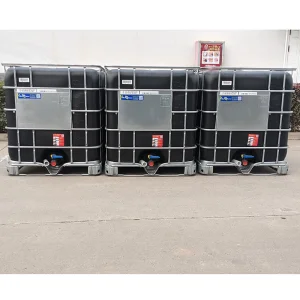
We employ high-quality export packaging, including certified hazard packing for hazardous chemicals and cold-chain monitoring for temperature-sensitive hydrogel precursors.
 Yanxatech