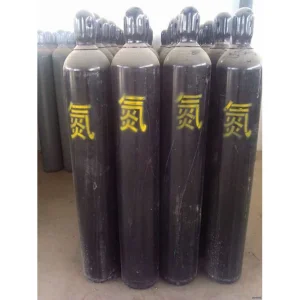
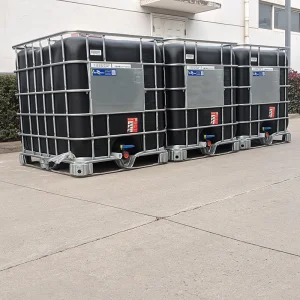
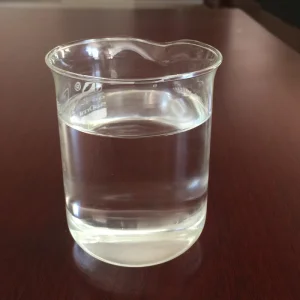
Explore our elite portfolio of high-purity industrial gases, liquid rubbers, and chemical compounds sourced directly from state-of-the-art facilities.
Unlocking the essential chemical characteristics, molecular foundations, and industry grading of Ca₃(PO₄)₂.
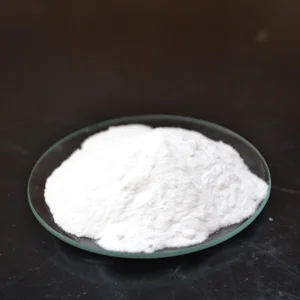
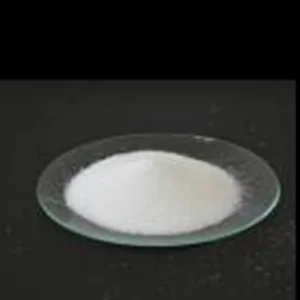
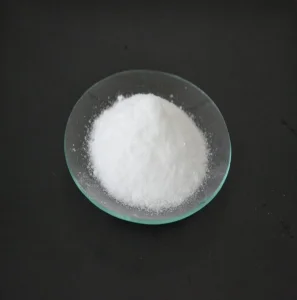
Tribasic Calcium Phosphate, chemically denoted as Ca₃(PO₄)₂ and commonly recognized in trade circles as Tricalcium Phosphate (TCP), represents a crucial mineral compound with widespread applications spanning pharmaceutical synthesis, food processing, industrial agriculture, and specialized polymer engineering. As a key calcium salt of phosphoric acid, TCP presents as a white, odorless, and tasteless crystalline powder that is highly stable under typical ambient conditions. It is virtually insoluble in water, which governs many of its functional capabilities such as acting as an anti-caking agent, structural stabilizer, and dietary mineral fortification compound.
Understanding the exact specifications is critical for international purchasing directors aiming to optimize product quality and minimize regulatory risks. Below is the technical specification breakdown for standard commercial variants:
An analysis of regional trade flows, industrial demand segments, and localized application frameworks.
The global demand for Tribasic Calcium Phosphate has experienced steady growth, driven primarily by the food processing, pharmaceutical, and livestock feed sectors. In the Americas and Western Europe, stringent food quality standards dictate the utilization of high-purity, low-impurity TCP. As population demographics shift towards health awareness, the demand for calcium-fortified beverages and dietary supplements has surged, positioning TCP as a primary source of bioavailable calcium and phosphorus.
In localized pharmaceutical markets, particularly across clinical manufacturing sites in the European Union and North America, TCP is utilized as a premium tablet excipient. Due to its superior compressibility, flowability, and chemical inertness, it is highly favored for direct compression formulations. Additionally, its biological compatibility makes it an ideal precursor for hydroxyapatite-based bone cement and dental repair compounds, accelerating healing processes in orthopedic surgeries.
As a food additive labeled E341(iii), TCP is indispensable. Powdered substances, such as instant drink mixes, cake batters, milk powders, and table salt, are highly susceptible to ambient humidity which leads to crystallization and clumping. TCP absorbs moisture preferentially, forming a protective barrier around organic particles to maintain consistent flowability. Furthermore, its role as a mineral fortifier is widely recognized in breakfast cereals and infant food formulations.
Why Chinese chemical complexes lead the world in structural cost reduction, scale, and continuous technology integration.
China is globally recognized as the primary engine for phosphorus-based chemical production. The domestic manufacturing infrastructure for Tribasic Calcium Phosphate offers unparalleled structural advantages that directly influence the international pricelist and quotation system. These efficiencies are not merely the result of labor cost management but stem from deep geographical integration, advanced thermal processing technology, and systemic raw material supply chains.
Major manufacturing sites in China are located in regions rich in high-grade phosphate rock deposits, such as Sichuan, Guizhou, Yunnan, and Hubei. By establishing processing facilities near these mines, transportation overhead for raw phosphorus ore is minimized. This vertical integration allows factories to bypass the volatility of global intermediate supply lines.
Chinese factories utilize a combination of the thermal phosphoric acid process and advanced wet-process purification. Thermal processing generates high-purity yellow phosphorus, which is then converted to food and pharmaceutical-grade TCP. This process achieves superior purity and chemical stability compared to standard wet processes used elsewhere.
Significant capital investments in automated, closed-loop manufacturing systems have vastly improved yield consistency while reducing energy waste. By implementing real-time computerized monitoring, Chinese factories can adjust parameters instantly, minimizing waste and ensuring compliance with international environmental standards.
Select the ideal Tribasic Calcium Phosphate grade based on your specific quality standards and industrial requirements.
| Analytical Parameter | Food Grade (FCC / E341(iii)) | Pharmaceutical Grade (USP / EP) | Industrial / Tech Grade |
|---|---|---|---|
| Assay (as Ca₃(PO₄)₂) | ≥ 90.0% – 98.0% | ≥ 98.0% – 100.5% | ≥ 85.0% – 90.0% |
| Heavy Metals (as Pb) | ≤ 2.0 ppm | ≤ 1.0 ppm | ≤ 10.0 ppm |
| Arsenic (As) | ≤ 1.0 ppm | ≤ 1.0 ppm | ≤ 5.0 ppm |
| Fluoride (F) | ≤ 50.0 ppm | ≤ 30.0 ppm | ≤ 150.0 ppm |
| Loss on Ignition (LOI) | ≤ 8.0% | ≤ 6.0% – 8.0% | ≤ 10.0% |
| Particle Size (Mesh Options) | 100 mesh, 200 mesh, 325 mesh | Micronized (d50 < 10μm) | Standard Coarse / Granular |
Insights into B2B pricing models, certification standards, and market projections for 2025-2030.
The price quotes for China-origin Tribasic Calcium Phosphate are influenced by key variables, including the cost of yellow phosphorus, environmental regulatory policies in mineral-producing provinces, and global freight rates. Buyers should consider utilizing annual volume commitments to secure stable pricing and hedge against raw material price fluctuations. Sourcing during off-peak logistics periods can also help optimize landed costs.
For B2B buyers in the EU and US, regulatory compliance is paramount. Our TCP production partners strictly adhere to ISO 9001:2008 and food safety standards. Depending on the target application, we provide fully certified Kosher, Halal, and Non-GMO batches. Complete traceability documentation, including detailed Certificate of Analysis (COA) reports, is provided with every shipment.
The market is shifting toward ultra-micronized TCP and clean-label food applications. Additionally, carbon neutrality mandates are prompting manufacturers to refine wet-purification processes to reduce energy use. These process upgrades aim to lower carbon footprints while maintaining the high purity levels required by global markets.
Learn more about YANXA's history, capabilities, and commitment to quality and safety in chemical distribution.
Yanxatech System Industries Limited (hereinafter referred to as YANXA) is one of the growing suppliers in the field of specialty materials in China. Starting from a fledgling small business unit in 2008, YANXA is driven with the passion of developing a broad international market in the areas relating to chemical and mechanical industries.
Thanks to our team's enduring work and our business partners' support, YANXA has steadily grown into a reliable provider of specialty chemicals and materials.
Cooperating with leading manufacturers and renowned research institutes in China, YANXA is capable of supplying:
Quality, safety, and efficiency prevail over all other values in our business. We address our customers' standard product needs as well as unique requirements for newly developed applications. We adhere strictly to technical specifications and execute deliveries in safe, compliant packaging, ensuring the protection of human health and the environment.
Technical overviews for hot products in our chemical and metal alloy line sheet.

Colorless liquid, easily polymerized, readily soluble in water, alcohol, and ether. Supplied as formalin (37-50% solution with methanol as inhibitor). Boiling point is -19°C, relative density to air is 1.067.
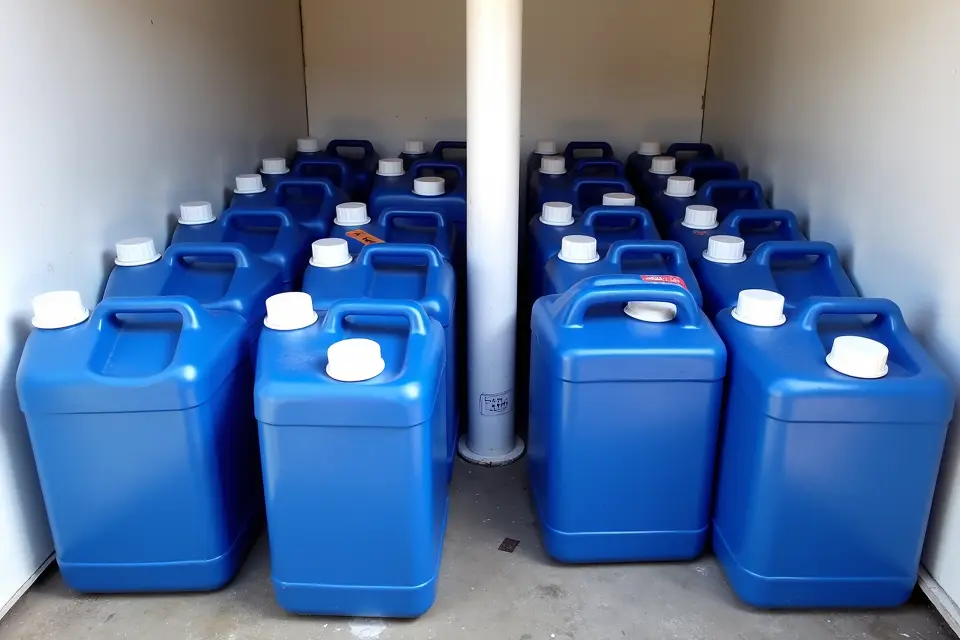 Purity: 37% - 50%
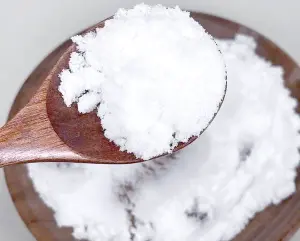
White crystalline powder produced by formaldehyde and ammonia condensation. Used in industrial manufacturing, plastics, rubber, and pharmaceuticals. CAS: 100-97-0.
Formula: CμHμνNμ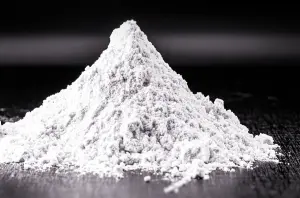
White solid powder with flammable formaldehyde odor. Linear polymer with content options of ≥96% and ≥92%. Solubility ≤40 minutes, Formic acid ≤0.05%.
 pH: 5.0 - 7.0
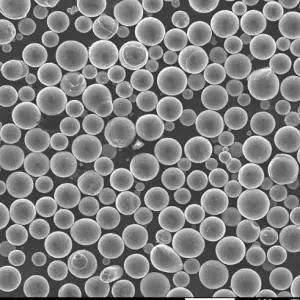
High performance spherical alloy powder suitable for aerospace, pyrotechnics, and specialized metallurgy. High uniformity and structural integrity.
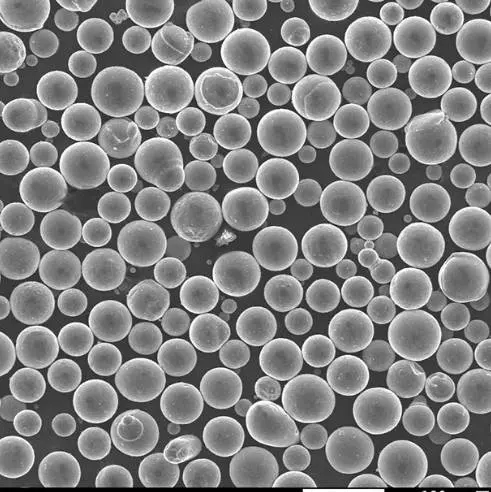 Quality certified metallurgical grade
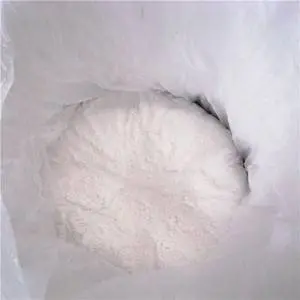
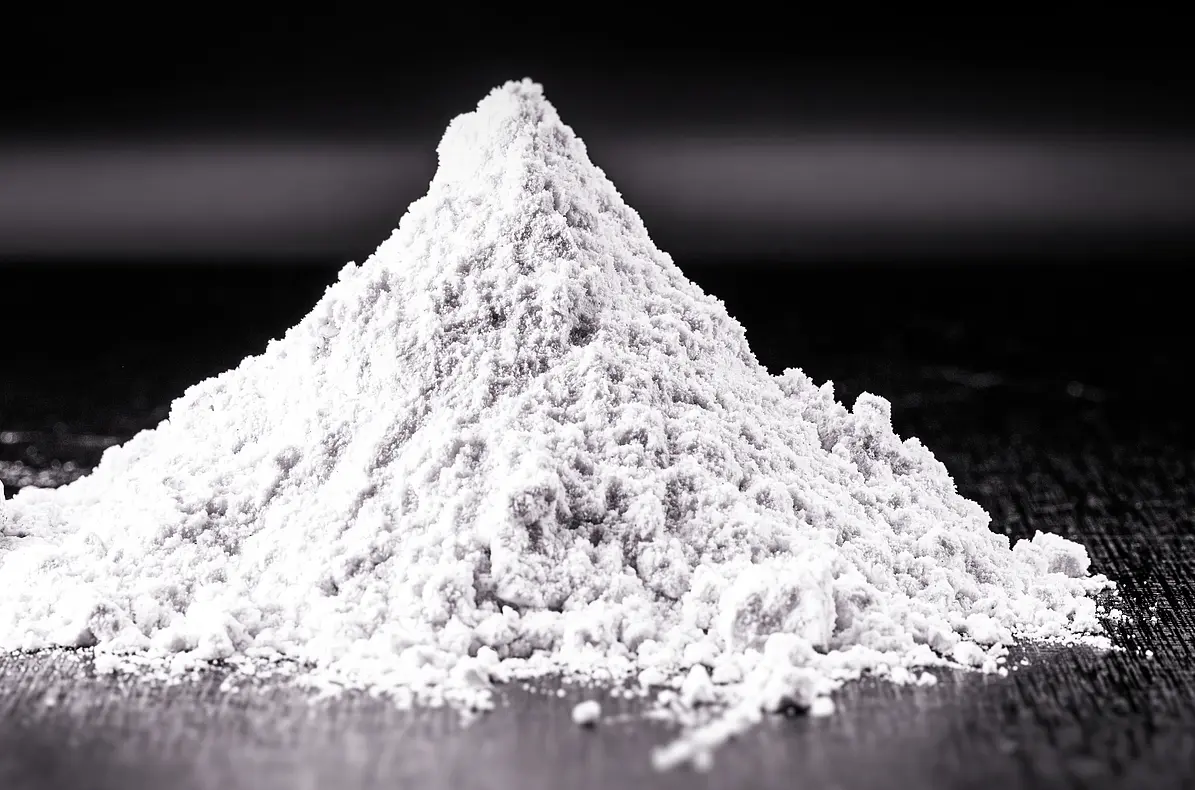
Premium grade Tribasic Calcium Phosphate engineered for dietary supplement fortification and anti-caking processes. Excellent flowability, moisture absorption resistance.
 Compliant with FCC & USP standards
Technical and commercial clarifications for industrial procurement teams.
Our prices are subject to change depending on supply, raw materials cost (yellow phosphorus), energy pricing, and other market factors. We will send you an updated price list after your company contacts us for further information.
Yes, we require all international orders to have an ongoing minimum order quantity. For containerized shipments, the standard MOQ for TCP is typically 1 FCL (20-foot container). If you are looking to purchase smaller volumes, please contact our team to discuss customized options.
Yes, we can provide comprehensive documentation including Certificates of Analysis (COA) / Conformance, MSDS sheets, cargo safety insurance, Certificates of Origin, and all export documents required by customs in your destination country.
For samples, the lead time is about 7 days. For mass production, the lead time is 20-30 days after receiving the deposit payment. Lead times become effective once we receive your deposit and final product approval. If our standard timeline does not meet your deadline, please contact our sales team to discuss alternative options.
We accept payments via our bank account, with a 30% deposit in advance and the remaining 70% balance payable against the copy of the B/L by T/T or L/C at sight.
We warrant our materials and workmanship. Our commitment is to ensure your satisfaction with our products. Under warranty or otherwise, it is our company policy to address and resolve all customer concerns to your satisfaction.
Yes, we always use high-quality export packaging. We also utilize specialized hazardous materials packing for dangerous goods and temperature-sensitive shippers where required. Note that specialized or non-standard packaging may incur an additional charge.
Shipping costs depend on the delivery method. Express shipping is the fastest but most expensive, while sea transportation is generally the most cost-effective solution for large-volume orders. We can provide exact freight rates once we have details on your order volume, weight, and preferred shipping method.
Discover more specialized compounds and industrial gases manufactured under strict quality controls.
 Yanxatech