Explore our certified catalog of specialty chemical reagents, liquid rubbers, and high-performance metallic powders.
Ammonium Nitrate (NH₄NO₃) remains one of the most critical nitrogen-containing compounds utilized across modern industrial sectors. Originating from the neutralization reaction of gaseous anhydrous ammonia with concentrated nitric acid, the compound is produced in various physical states to satisfy distinct industrial requirements. The molecular structure of ammonium nitrate allows it to serve as both an efficient plant nutrient carrier and a foundational oxidizer for commercial blasting agents.
In wholesale industrial settings, ammonium nitrate is classified into two primary grades based on density, structural porosity, and surface coating characteristics: High-Density Ammonium Nitrate (HDAN) and Low-Density Ammonium Nitrate (LDAN). Achieving optimal performance requires manufacturers to strictly control moisture absorption, crystallization phases, and prill integrity, ensuring high stability during long-distance transportation and storage.
While HDAN features high mechanical strength and low porosity, making it ideal for agricultural application, LDAN is manufactured with highly porous crystalline structures designed to absorb liquid fuel oil (up to 8-10% of its weight), forming ANFO blasting agents. Industrial buyers must match density specs directly to their localized application scenarios to prevent downstream operational failure.
At a macroeconomic level, ammonium nitrate functions as a cornerstone component for critical supply chains. Its applications span across multiple sectors, presenting complex manufacturing requirements and logistical frameworks:
The global trade of wholesale ammonium nitrate is governed by shifting supply lines, raw material volatility (specifically natural gas, which acts as the feedstock for ammonia production), and stringent regulatory constraints. Because ammonium nitrate is classified as a hazardous chemical oxidizer, global trade pathways require established logistics partnerships and dedicated port terminals approved for Class 5.1 Dangerous Goods.
Currently, the market demands high transparency regarding supply chains. Manufacturing centers located in China, Eastern Europe, and Central Asia supply critical agricultural markets across Southeast Asia, Latin America, and Africa. To survive in this competitive market, factories must invest heavily in product stabilization technologies, ensuring materials resist degradation under highly humid oceanic transit conditions.
Safety is the primary consideration when dealing with bulk nitrates. Local regulations dictate transport limits, storage volumes, and anti-contamination measures. YANXA establishes comprehensive localized support guidelines by aligning with standard regulatory frameworks globally:
Understanding the final usage environment determines the specific chemical additives mixed during the prilling stage. For instance, in hot, high-humidity regions such as Brazil's agricultural belts or Australia's iron ore mines, ammonium nitrate risks caking into massive solidified blocks. This issues is addressed by adding organic polymer coatings and custom crystal habit modifiers, guaranteeing free-flowing handling upon arrival.
Additionally, in high-altitude, cold mining scenarios (e.g., the Andes region), the structural integrity of LDAN prills must be optimized. Thermal expansion and contraction phases can cause micro-fractures in the prill structure, leading to premature disintegration. The manufacturing process is adjusted by utilizing proprietary drying temperatures to secure a resilient crystalline grid.
The next generation of chemical manufacturing is centered on decarbonization. Traditional Haber-Bosch ammonia production relies on fossil fuels, releasing significant carbon emissions. YANXA, alongside research partners, is tracking a transition toward "Green Ammonium Nitrate" production methodologies:
Utilizing polymer electrolyte membrane (PEM) water electrolysis powered by wind or solar to yield hydrogen, eliminating methane reforming emissions.
Developing biodegradable surface active agents that provide dust suppression and moisture barriers without leaving persistent residues.
Deploying digital marking on containers and IoT-enabled tracking to verify shipment temperature history, preventing dangerous crystallization shifts.
Yanxatech System Industries Limited (hereinafter referred to as YANXA) is one of the growing suppliers in the field of specialty materials in China. Starting from a fledgling small business unit in 2008, YANXA is driven with the passion of developing a broad international market in the area relating to chemical and mechanical industries. Thanks to our team’s enduring and persistent work and our business partners’ long-lasting support, YANXA has steadily and vigorously grown into a company with excellence in delivering products and services relating to specialty chemicals.
Cooperating with leading manufacturers and the renowned research institutes in the field of specialty chemicals in China, YANXA is capable of supplying:
Quality, safety, and efficiency prevail over all other values in our business. We care what our customers need on general products as well as their unique and specific requirements for newly developed applications in a timely manner. We adhere strictly to technical requirements and make deliveries in almost perfect conformity. Chemical businesses expose more safety concerns than any other industrial sector. We undertake all activities involving chemicals in a safe way to ensure the safety of human health and the environment.
Below is a detailed overview of the core specialty chemical formulations manufactured under strict quality standards:
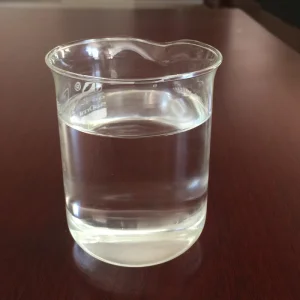
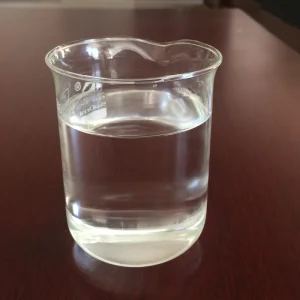
Formaldehyde is a colorless liquid, easily polymerized, and readily soluble in water, alcohol, and ether. It is rapidly oxidized to formic acid in air, acting as a strong reducing agent. Its boiling point is -19°C, freezing point -118°C, and relative density to air is 1.067. Commercially, it is supplied in liquid form as formalin, a 37-50% formaldehyde solution with a small amount of methanol added as a polymerization inhibitor. The solution is milky white and has a characteristic odor. Formalin readily vaporizes, releasing formaldehyde gas. Its boiling point is 96°C, relative density is 0.815/-20°C, and flash point is 55°C.
Hexamethylenetetramine, also known as hexamine or HMTA, is a white crystalline powder produced by the condensation reaction of formaldehyde and ammonia. It is a versatile organic chemical intermediate widely used in industrial manufacturing, pharmaceutical synthesis, rubber processing, and analytical chemistry.
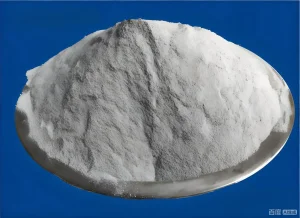
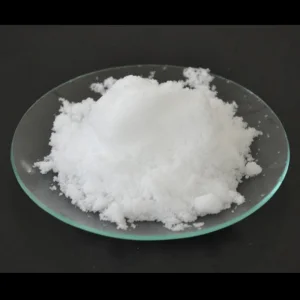
A white powdery solid with a flammable odor of formaldehyde. It is a linear polymer of formaldehyde with no fixed melting point. Engineered to provide low-moisture formaldehyde in chemical synthesis.
| Item | Specifications (High Grade) | Specifications (Standard Grade) |
|---|---|---|
| Appearance | White powder / solid | White powder / solid |
| Content | ≥ 96% | ≥ 92% |
| Solubility | ≤ 40 minutes | ≤ 40 minutes |
| Formic Acid | ≤ 0.05% | ≤ 0.05% |
| pH | 5 - 7 | 5 - 7 |
Providing professional, transparent, and authoritative insights regarding commercial partnerships, chemical specifications, and global logistics structures.
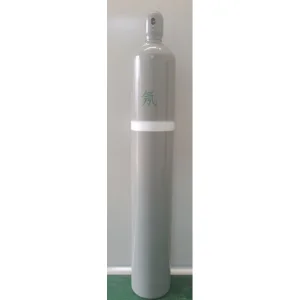
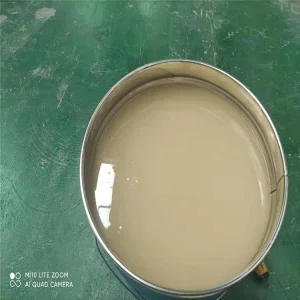
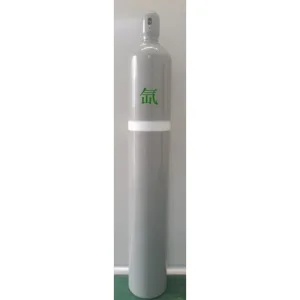
Complete your supply chain with our range of high-stability liquid rubbers and high-purity rare gases.
 Yanxatech