Global Advanced Specialty Polyethers, Liquid Rubbers & High-Purity Industrial Gas Solutions
Discover our core range of high-performance polymer materials, engineering compounds, and electronic-grade specialty chemical agents engineered for global manufacturing systems.
In modern heavy industries, high-tech manufacturing, and specialty plastics engineering, locating reliable Wholesale PET Manufacturers & Suppliers is key to maintaining supply chain resilience. This whitepaper analyzes the applications of advanced medium molecular weight PET polyethers, performance elastomers, custom-engineered liquid rubbers, and high-purity gases (up to 6N grade) utilized across aerospace, automotive, electronics, and structural packaging segments.
Chinese production facilities leverage massive economies of scale, integrated chemical parks, and cutting-edge automation to supply global businesses. Key advantages include optimized synthetic routes for specialty materials, direct integration with coal-to-chemical petrochemical chains, and unparalleled agility in scale-up engineering, resulting in robust supply reliability even under demanding procurement timelines.
Sourcing industrial precursors globally demands strict adherence to international safety metrics. Reliable suppliers like YANXA build their credibility on rigorous ISO compliance (specifically ISO 9001:2008 frameworks), robust batch-to-batch consistency protocols, complete technical support, and strict chemical safety containment systems, addressing the key requirements of purchasing agents.
Specialty polyethers, particularly medium molecular weight PET polyethers, act as essential soft segments in polyurethane elastomers, thermoplastic polyurethane (TPU) modifications, and high-performance engineering coatings. The structural uniformity of these molecules directly influences properties like hydrolytic stability, cold-temperature flexibility, and tensile recovery. As top-tier wholesale PET manufacturers, our partnership networks implement precise chain-growth and ring-opening polymerization methods to keep polydispersity indices (PDI) within narrow target windows, ensuring consistent curing profiles for downstream product formulation.
Industrial manufacturing processes rely on liquid rubbers to act as toughening agents, impact modifiers, and binders in high-durability composite materials.
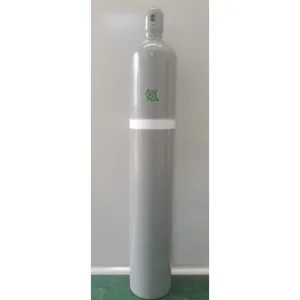
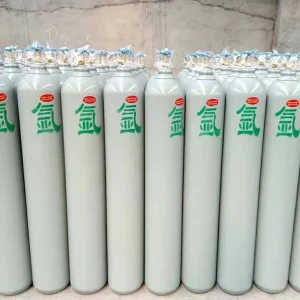
The semiconductor, photovoltaic, and display industry segments require extreme levels of gas purity. Even trace quantities of impurities (such as moisture, carbon dioxide, or oxygen at parts-per-billion levels) can ruin integrated circuit wafers. Our production networks supply ultra-pure Neon (Ne), Krypton (Kr), Xenon (Xe), and Nitrogen (N2) at certified purities of 5N (99.999%), 5.5N (99.9995%), and 6N (99.9999%). These gases are critical for DUV/EUV photolithography excimer lasers, plasma etching, and chemical vapor deposition (CVD) processes, backed by rigorous cylinder conditioning and analytical testing.
The global shift in polymer and specialty chemical production highlights China's advanced manufacturing capabilities. For wholesale PET manufacturers and suppliers, maintaining a competitive edge involves optimizing supply chains to deliver consistent quality and stable pricing.
China’s domestic petrochemical hubs provide immediate access to key monomers (such as butadiene, acrylonitrile, ethylene oxide, and propylene oxide). This localized availability insulates manufacturing systems from international shipping bottlenecks and volatile raw material price changes.
Modern chemical zones operate with state-of-the-art continuous stirred-tank reactors (CSTR) and tubular reactor systems. These plants feature real-time DCS (Distributed Control Systems) monitoring to maintain strict control over temperature, pressure, and catalyst feed rates, minimizing run-to-run variation.
By investing in advanced environmental controls, including VOC abatement systems, closed-loop waste treatment, and clean carbon gasification processes, our manufacturing partners ensure compliant, stable production that meets modern environmental requirements.
Several key trends are driving the future of B2B chemical sourcing and advanced material formulation:
Below are the verified technical parameters for our key industrial raw materials, including Formaldehyde, Hexamine (HMTA), and Paraformaldehyde, which serve as foundational building blocks for synthetic resins, rubber cross-linking agents, and plastic compounds.
| Property Parameter | Technical Specification Value | Analytical Testing Method |
|---|---|---|
| Formaldehyde Active Content | 37.0% – 50.0% (Customizable) | Acid-Base Titration |
| Methanol Inhibitor Content | 0.5% – 12.0% (According to request) | Gas Chromatography (GC) |
| Acidity (as Formic Acid) | ≤ 0.03% (w/w) | Potentiometric Titration |
| Boiling Point | 96°C to 101°C | Standard Atmospheric Test |
| Iron (Fe) Impurity | ≤ 1.0 ppm | ICP-OES |
| Analytical Parameter | Standard Purity Grade | High-Purity Stabilization Grade |
|---|---|---|
| Assay (C6H12N4 Dry Basis) | ≥ 99.0% | ≥ 99.5% |
| Moisture Content (H2O) | ≤ 0.30% | ≤ 0.15% |
| Ash Content | ≤ 0.05% | ≤ 0.02% |
| pH (100g/L Aqueous Sol.) | 8.0 – 9.5 | 8.5 – 9.5 |
| Appearance | White Crystalline Powder | Granular White Crystalline |
| Quality Indicator | 96% Premium Grade Specification | 92% Industrial Grade Specification |
|---|---|---|
| Active Formaldehyde content | ≥ 96.0% | ≥ 92.0% |
| Solubility Time (in water @ 60°C) | ≤ 40 Minutes | ≤ 45 Minutes |
| Formic Acid Content | ≤ 0.05% | ≤ 0.08% |
| pH Range | 5.0 – 7.0 | 5.0 – 7.0 |
| Heavy Metals (Pb) | ≤ 5 ppm | ≤ 10 ppm |
Yanxatech operates at the intersection of material science and chemical engineering, providing targeted solutions that resolve complex engineering challenges across several major global sectors:
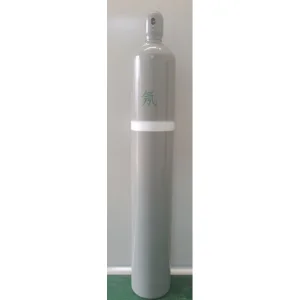
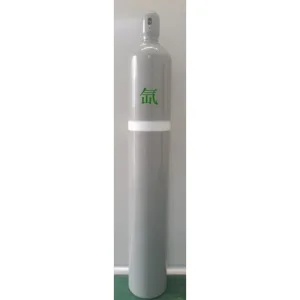
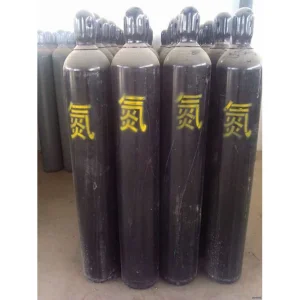
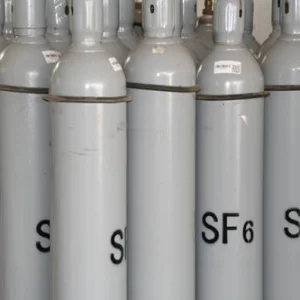
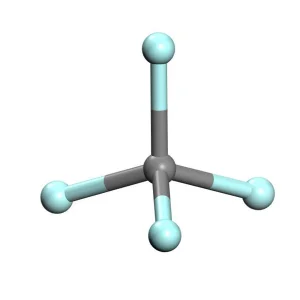
We supply high-purity gases (SF6, CF4, Neon, Argon, and Nitrogen) directly to semiconductor fabrication lines. These gases are used for wafer etching, CVD cleaning, and chamber inerting. Our production facilities maintain cylinder preparation, valve inspections, and purity testing protocols to guarantee consistent performance.
By introducing functionalized rubbers like HTBN and L-XNBR into epoxy formulations, we help aerospace and automotive manufacturers produce impact-resistant structural carbon-fiber reinforced plastics (CFRPs). These additives help prevent micro-cracking and delamination under intense thermal stress.
Our high-purity paraformaldehyde and hexamine (HMTA) serve as reliable precursors for phenolic and amino resins. These raw materials are essential for producing structural plywood adhesives, abrasive wheel binders, and automotive brake pads.
In addition to our standard portfolio, we offer custom polymer modification, adjusting molecular weight distributions, hydroxyl values, and copolymer ratios to meet specific customer requirements. Our engineering team collaborates directly with R&D departments to guide materials from laboratory validation through pilot scale-up and full industrial production.
In the global chemical supply chain, reliability is built on clear technical documentation and verifiable compliance. At YANXA, we implement robust safety and quality assurance systems to support our customers' operations:
Handling high-pressure gases and reactive liquids requires specialized logistics capability. We utilize ISO-tank containers, pressure-certified steel cylinders, and GHS-compliant hazardous goods packaging. Our shipping team coordinates directly with international maritime agents to manage customs clearance and port entry safety regulations.
Every batch we ship is accompanied by a comprehensive Certificate of Analysis (COA), verifying molecular weight distributions, moisture levels, and purity profiles. We also provide complete Safety Data Sheets (SDS) and REACH registration documentation to facilitate smooth regulatory approvals for European imports.
Our production facilities operate under ISO 9001:2008 quality management principles. This framework ensures standard operating procedures for raw material inspections, production control, final product testing, and corrective action systems.
Explore our complete catalog of industrial specialty chemicals, advanced liquid rubbers, and high-purity electronic process gases.
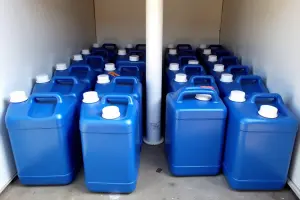
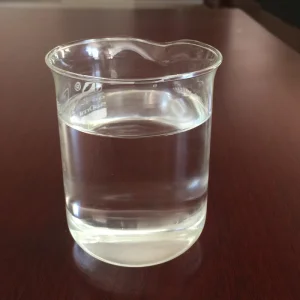
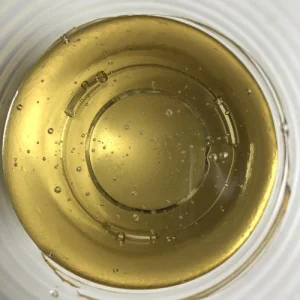
Formaldehyde is a colorless, highly reactive liquid supplied as an aqueous solution (Formalin), typically stabilized with 37-50% active content and dynamic methanol additions. This essential intermediate is crucial for polymer chemistry, synthetic resin synthesis, and industrial adhesive formulations.

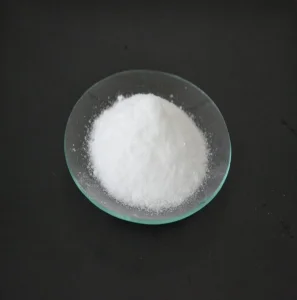
Also known as HMTA, hexamine is a white crystalline powder synthesized from formaldehyde and ammonia. It serves as a curing agent in phenolic resins, an intermediate in rubber cross-linking, and a chemical precursor in pharmaceutical synthesis.
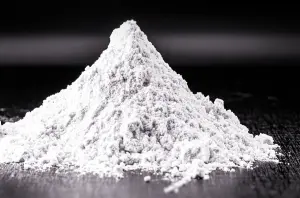
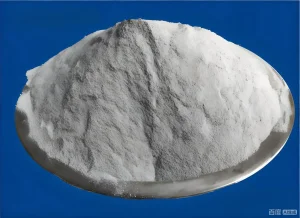
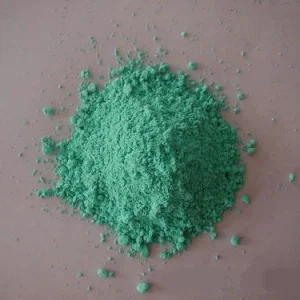
Paraformaldehyde is a solid polymerized form of formaldehyde, presenting as a white powder. It is widely used in resin manufacturing, agricultural chemicals, and industrial coatings, offering high concentration and low water content compared to liquid formalin.
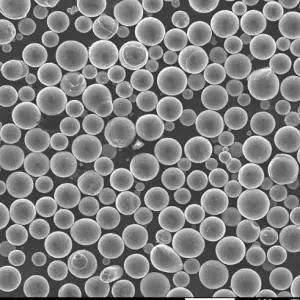
Used in metallurgy, solid propellants, and energetic additives. Our atomization process ensures high sphericity and controlled particle size distribution.
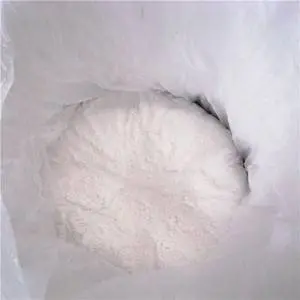
Primarily used as a flow aid and anti-caking agent in powder handling, a stabilizer in plastic manufacturing, and a precursor in ceramics.
Find answers to common questions regarding logistics, technical specifications, and safety guidelines for our advanced chemical materials.
 Yanxatech