 Yanxatech
Direct supply paths for key fluorinated compounds, noble gases, and pure chemical inputs configured for the German manufacturing sector.
Germany's industrial core is experiencing an era of technological transformation. Historically centered around internal combustion, heavy engineering, and domestic chemical synthesis, Germany's key hubs—ranging from Silicon Saxony (Dresden) to the major chemical corridors in North Rhine-Westphalia (NRW) and Bavaria—are rapidly pivoting towards semiconductor manufacturing, electric vehicle batteries, aerospace components, and hydrogen energy integration. This shift has elevated the requirements for raw materials, specialty gases, and advanced inorganic compounds.
In this context, securing a consistent supply of ultra-high purity specialty gases and inorganic chemicals is no longer just a purchasing requirement; it is a critical strategic imperative. With volatile energy markets inside Europe affecting local energy-intensive chemical production, German procurers are turning to strategic dual-sourcing models. Forward-looking German companies are increasingly relying on Chinese factories that offer a combination of raw material abundance, advanced synthesis technology, and robust supply chains that remain resilient despite global trade fluctuations.
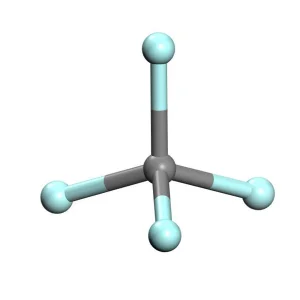
As the European Union moves forward with its European Chips Act, aiming to double its share of global semiconductor production by 2030, German semiconductor hubs like Dresden are seeing unprecedented investments from global foundry leaders. These microelectronics sites require high-purity etching and carrier gases to ensure nanoscale precision. For instance:
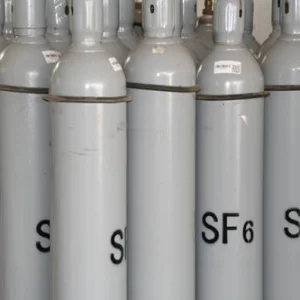
Germany’s *Energiewende* (energy transition) demands updates to the high-voltage electrical grid. Sulfur Hexafluoride (SF6) remains an essential dielectric gas for gas-insulated switchgear (GIS) due to its high dielectric strength and arc-quenching capabilities. Because of strict EU F-gas regulations (Regulation EU No 517/2014), German operators require suppliers who can guarantee not only product purity but also gas cylinders that meet pressure equipment directive standards (TPED/ADR) and support gas lifecycle containment strategies.
High-end material standards backed by certified quality verification systems.
Sourcing chemical materials for the German market demands compliance with the European Chemicals Agency (ECHA) and localized safety metrics. Our product portfolio is processed and cataloged in accordance with REACH registrations and CLP safety declarations. Every batch of gas or chemical precursor shipped to Hamburg or Wilhelmshaven is accompanied by a comprehensive Certificate of Analysis (CoA) produced via gas chromatography, mass spectrometry (ICP-MS), and laser particle size analysis.
In the modern globalized economy, the reliability of a tier-1 supplier is defined by their raw material access, production capacity, and shipping logistical infrastructure. Our factories leverage China's chemical manufacturing zones, maintaining access to raw elemental inputs (such as high-purity argon, nitrogen, neon, and specialized salts). By managing our upstream processes, we avoid the supply bottlenecks that frequently impact mid-tier distributors.
For German purchasers, we have established optimized shipping pipelines that connect major Chinese ports (Shanghai, Ningbo, and Qingdao) to European container hubs (Hamburg, Bremerhaven, and Rotterdam). We offer flexible delivery terms, including FOB, CIF, and DDP, ensuring smooth customs processing through European borders. For dangerous goods (DG cargo) such as compressed gases, carbon tetrafluoride, and specialized liquid rubbers, we use reinforced transport containment systems that comply with all ADR transport regulations.
Every shipment is subjected to multi-stage verification. Impurity levels in our process gases are kept below industry-specific thresholds, ensuring reliable performance in downstream applications.
From dispatch at our chemical facilities to delivery at your logistics centers in Germany, our tracking protocols keep procurement teams informed at every stage of the shipment.
We utilize standard European packaging protocols, including specialized steel cylinders and temperature-controlled storage solutions for chemically sensitive items.
Yanxatech System Industries Limited (hereinafter referred to as YANXA) is an established supplier in the field of specialty materials in China. Starting from a fledgling small business unit in 2008, YANXA has been driven with the passion of developing a broad international market in the area relating to chemical and mechanical industries.
Thanks to our team’s enduring and persistent work and our business partners’ long-lasting support, YANXA has steadily grown into a company with excellence in delivering products and services relating to specialty chemicals. Cooperating with leading manufacturers and renowned research institutes in China, we supply:
Quality, safety, and efficiency prevail over all other values in our business. We care about our customers’ needs for general product lines, as well as their unique and specific requirements for newly developed applications, responding in a timely manner.
We adhere strictly to technical requirements and ensure delivery in almost perfect conformity. Because the chemical industry involves specific safety profiles, we undertake all operations involving chemicals in a safe manner to protect human health and the local environment.
A comprehensive catalog of industrial gases, inorganic compounds, and polymer precursors. Click to view detailed technical specifications.
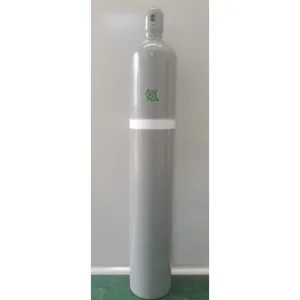
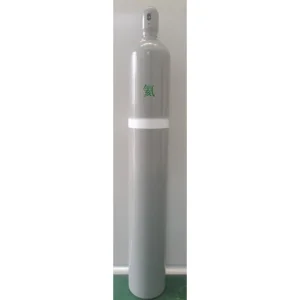
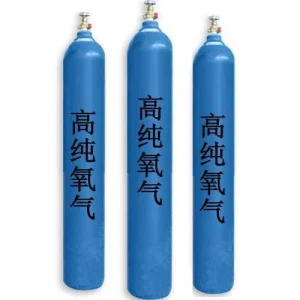
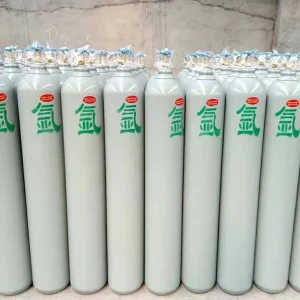
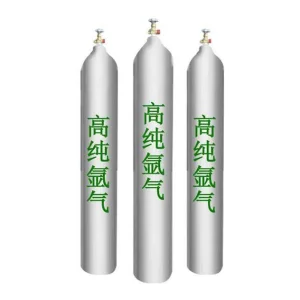
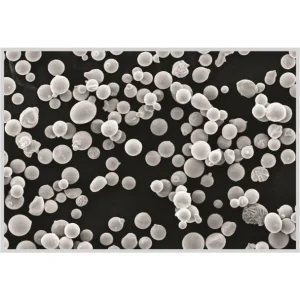

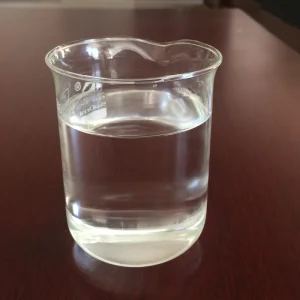
Our engineering team can customize gas mixtures, particle sizes for alloy powders, or specific carboxyl content for CTBN rubbers to match your manufacturing protocols.
Send Inquiry NowBelow are the detailed specifications for our high-demand chemical and metal-alloy products supplied directly to the European and German markets.
Product Characteristics: Formaldehyde is a colorless, highly reactive gas at room temperature, easily polymerized, and readily soluble in water, alcohol, and ether. It acts as a strong reducing agent and is oxidized to formic acid upon exposure to air. Commercially, it is supplied in liquid form as formalin (typically a 37-50% aqueous solution) containing a stabilized ratio of methanol (inhibitor) to prevent autopolymerization under normal transport temperatures.
| Property | Value / Parameter |
|---|---|
| Boiling Point (Pure Gas) | -19 °C |
| Freezing Point | -118 °C |
| Relative Density (to Air) | 1.067 |
| Formalin Solution Density | 0.815 (at -20 °C) |
| Flash Point | 55 °C |
Product Overview: Hexamethylenetetramine (CAS No. 100-97-0), also known as hexamine or HMTA, is a heterocyclic organic compound with a symmetric cage-like structure resembling adamantane. Produced via the condensation reaction of pure formaldehyde and ammonia, it is a white crystalline powder widely used in the synthesis of phenolic resins (as a curing agent), explosive formulations (RDX), rubber vulcanization accelerants, and medical therapeutics.
| Parameter | Specification Detail |
|---|---|
| Molecular Formula | C₆H₁₂N₄ |
| Molecular Weight | 140.19 g/mol |
| Appearance | White crystalline powder or granular structure |
| Solubility | Soluble in water, alcohol, and chloroform |
Product Features: Paraformaldehyde is the smallest solid form of polyoxymethylene, characterized by a light formaldehyde odor. Being a short-chain polymer, it lacks a fixed melting point and depolymerizes upon heating to release dry formaldehyde gas. This behavior makes it an efficient source of formaldehyde in resin synthesis, organic reactions, and disinfectant formulations.
| Item Specifications | Premium Grade (≥96%) | Standard Grade (≥92%) |
|---|---|---|
| Appearance | White powder / granular solid | White powder / granular solid |
| Active Content | ≥96.0% | ≥92.0% |
| Solubility Rate | ≤40 minutes | ≤40 minutes |
| Formic Acid Content | ≤0.05% | ≤0.05% |
| pH Value | 5.0 - 7.0 | 5.0 - 7.0 |
Technical Application: Produced via advanced inert gas atomization processes, our spherical Al-Mg alloy powders feature high sphericity, narrow particle size distribution, and low oxygen content. These attributes ensure optimal flowability and packing density, which are critical for additive manufacturing (3D printing), thermal spray coatings, and advanced energetic applications.
Clear, direct answers regarding pricing, compliance, delivery safety, and international ordering logistics.