Explore YANXA's premier range of liquid rubbers, fine metal powders, and high-purity industrial gases engineered for advanced coating applications.
In modern architectural design, industrial manufacturing, and luxury retail fixtures, the aesthetic demand for raw, textured, and darkened metal surfaces has surged. Historically, achieving this look meant using traditional chemical blackening (black oxide treatments) or acid etching directly on raw steel. However, chemical treatments suffer from low corrosion resistance, require constant oil maintenance, and present environmental hazards during application.
To address these limitations, advanced thermosetting blackened steel powder coatings were developed. By fusing high-grade polyester-epoxy hybrid resins with specialized micaceous iron oxides (MIO), carbon black pigments, and metallic flake additives, modern manufacturing facilities produce a powder coat that emulates the depth, warmth, and variance of natural blackened steel. This offers superior durability, weatherability, and environmental compliance.
Unlike raw black oxide, powder-coated blackened steel offers outstanding resistance to salt spray, humidity, scratching, and chemical cleaners, preserving the finish for decades in harsh outdoor environments.
This dry finishing method is free of Volatile Organic Compounds (VOCs), hazardous air pollutants (HAPs), and heavy metals, meeting strict REACH, RoHS, and LEED requirements.
Allows designers to specify different gloss levels (from ultra-matte to semi-gloss) and micro-textures that replicate hand-patinated steel while ensuring batch-to-batch color consistency.
The demand for blackened steel powder coatings spans several multi-billion-dollar global markets. Procurement directors and industrial design engineers look for reliable wholesale factories that can guarantee bulk stability, chemical consistency, and cost-effective pricing models.
For curtain walls, modern window profiles, structural cladding, and metal gates, architectural firms require finishes that satisfy AAMA 2604 or AAMA 2605 performance levels. Super-durable polyester and fluoropolymer powder bases are essential. They ensure resistance to UV radiation, acid rain, and thermal expansion while maintaining a deep, non-fading blackened finish.
Under-the-hood brackets, exhaust shields, structural framing, and custom wheels utilize blackened steel coatings for both thermal dissipation properties and defensive barrier protection against road salts and chemical solvents. Liquid rubber additives, such as Carboxyl Terminated Nitrile Butadiene Rubber (CTBN), are frequently integrated into epoxy powder formulations to improve flexibility, impact resistance, and prevent micro-cracking under mechanical stress.
High-traffic retail environments, display racks, and architectural furniture need coatings with strong mechanical durability. Epoxy-polyester hybrids are popular here. They provide a cost-effective, scratch-resistant, matte-blackened steel appearance that withstands frequent contact with customers and cleaning chemical exposure.
As a leading supplier of specialty materials, YANXA works alongside chemical engineers and manufacturers to optimize the raw chemical building blocks that make up high-performance industrial coatings. The durability and finish of a blackened steel powder coat rely on complex crosslinking chemistry and physical additives:
Intermediates like Hexamethylenetetramine (Hexamine) and Paraformaldehyde are vital in synthesizing high-performance phenolic resins. These resins act as critical curing agents in heavy-duty epoxy primers and powder formulations, offering exceptional crosslinking density and chemical resistance.
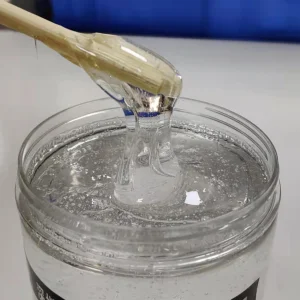
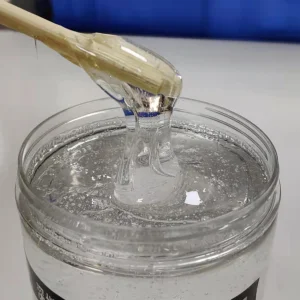
Epoxy-based powder coatings can be brittle when applied to high-impact components. Modifying these formulations with liquid rubbers like CTBN or HTBN (Hydroxyl Terminated Butadiene Nitrile) creates a two-phase micro-structure. This disperses mechanical impact energy and prevents delamination.
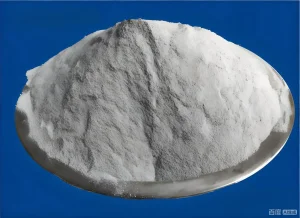
To achieve the dark, metallic shimmer of natural blackened steel, manufacturers blend in atomized metallic powders, such as Atomized Spherical Aluminum Magnesium Alloy Powder and aluminum flake pigments. These particles reflect light dynamically across the surface, giving it a raw steel appearance.
Procurement agents should verify that wholesale suppliers meet the following performance benchmarks to ensure the selected formulation matches the target environmental class (C3, C4, or C5 under ISO 12944):
| Performance Parameter | Test Standard | Polyester-TGIC (Architectural) | Epoxy-Polyester Hybrid (Indoors) | Super-Durable Polyurethane |
|---|---|---|---|---|
| Curing Schedule | Metal Temp (PMT) | 10 min @ 200°C (392°F) | 12 min @ 180°C (356°F) | 15 min @ 190°C (374°F) |
| Gloss Level (60° Gardner) | ASTM D523 | 5% – 25% (Matte to Satin) | 3% – 35% (Ultra-Matte to Satin) | 5% – 20% (Low Gloss) |
| Cross-Hatch Adhesion | ASTM D3359 | 5B (No peeling) | 5B (No peeling) | 5B (No peeling) |
| Pencil Hardness | ASTM D3363 | H – 2H | 2H – 3H | H – 2H |
| Impact Resistance | ASTM D2794 | Direct: 160 in-lb / Reverse: 160 in-lb | Direct: 120 in-lb / Reverse: 100 in-lb | Direct: 140 in-lb / Reverse: 140 in-lb |
| Salt Spray Resistance | ASTM B117 / ISO 9227 | Passes > 1,500 hrs (film creep < 2mm) | Passes > 1,000 hrs (indoor standard) | Passes > 3,000 hrs (with epoxy primer) |
| UV Degradation (QUB) | ASTM G154 (UVA-340) | >50% gloss retention @ 1,000 hrs | Not recommended for prolonged UV | >80% gloss retention @ 2,000 hrs |
The wholesale price of blackened steel powder coating is determined by raw resin costs, specialty pigment loading, and shipping volumes. When sourcing from China manufacturers, understanding the price variables helps secure the best terms for large-scale projects.
Polyester-TGIC formulations are cost-effective for general use. Super-durable systems and TGIC-free formulas (which meet strict eco-regulations) carry a 15% to 25% premium.
Specialty micaceous iron oxides (MIO) and bonding metallic flakes (where the metal pigment is bonded directly to the resin) prevent separation in electrostatic spray systems. While bonded powders cost more, they reduce waste and improve consistency.
Standard packaging is 20 kg or 25 kg per carton. Wholesale volumes start at 500 kg per batch. High-volume purchases (exceeding 5,000 kg) qualify for bulk pricing tiers and customized formulation options.
Established in 2008, Yanxatech System Industries Limited (YANXA) is a key supplier of specialty chemicals, liquid rubbers, nitrates, and metal powders. We cooperate with leading Chinese research institutes and ISO9001:2008 certified manufacturers to deliver consistent, high-purity chemical components worldwide.
A colorless, easily polymerized liquid soluble in water and alcohols. Key raw material for phenolic resins and industrial adhesives. Supplied as formalins (37%-50% solution with methanol stabilizer).
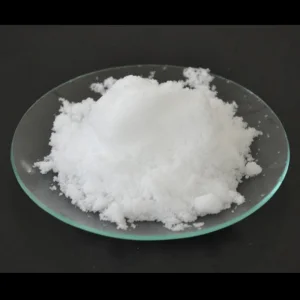
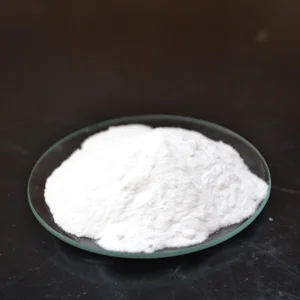
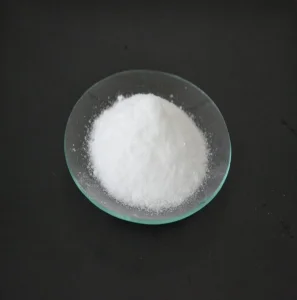
CAS No. 100-97-0, Molecular Formula C₆H₁₂N₄. A white crystalline powder synthesized from formaldehyde and ammonia. Crucial as a hardener in structural plastics, synthetic resins, and rubber compounds.
A white solid linear polymer of formaldehyde with a characteristic odor. Content ≥96%, pH 5-7. Widely utilized in synthetic resins, paper treatment agents, and organic chemical intermediates.
Highly spherical metal alloy powder utilized in advanced pyrotechnics, structural welding, aerospace composites, and protective metal powder finishes.
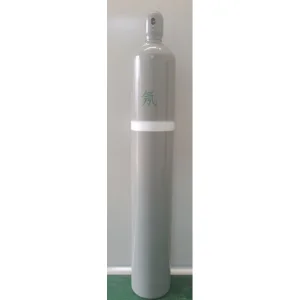
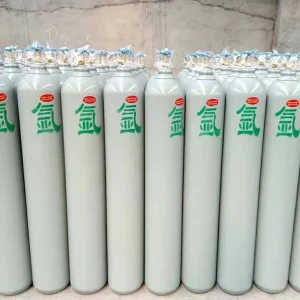
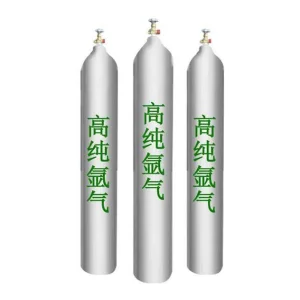
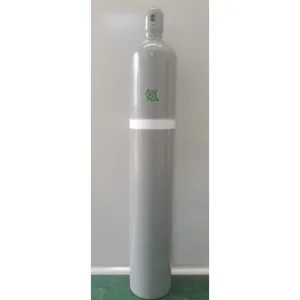
We supply high-purity Carbon Tetrafluoride (CF4) and Sulfur Hexafluoride (SF6) for semiconductor etching, dielectric isolation, and advanced metallurgy.
High-purity industrial grade calcium salt applied as an anti-caking agent, ceramic glaze ingredient, and stabilizer in plastics processing.
At YANXA, quality, safety, and operational efficiency guide our business values. Working with hazardous chemicals and advanced materials requires strict adherence to international standards.
Our associated manufacturing facilities follow strict ISO 9001 quality management programs. Every batch of liquid rubber, nitrate, and metal powder undergoes rigorous analysis, with Certificates of Analysis (COA) provided to guarantee compliance with your technical specifications.
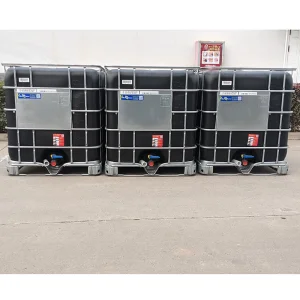
We handle chemical exports in safe, compliant packaging, using specialized hazardous material containers and temperature-controlled shipping where required. This ensures all cargo arrives safely and in compliance with international transit regulations.
Detailed answers to common questions about sourcing blackened steel powder coats, chemicals, and industrial logistics.
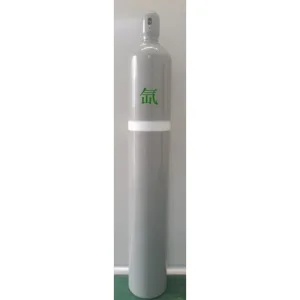
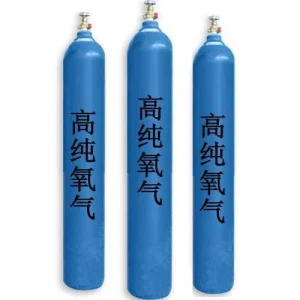
Discover additional high-purity industrial gases and specialty polyethers for high-performance chemical formulations.
 Yanxatech