Direct Factory Sourcing and Engineering-Grade Specifications
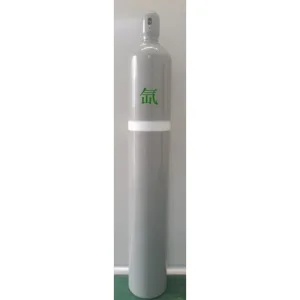
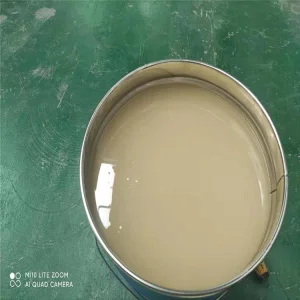
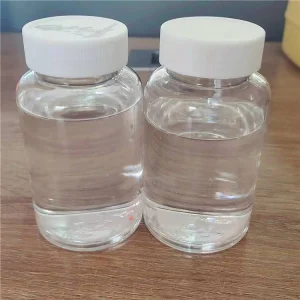
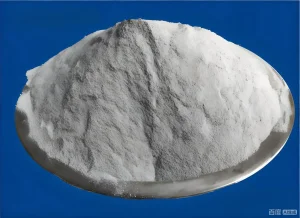
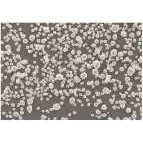
Aluminum powder is a highly versatile and chemically active material utilized extensively in various manufacturing sectors. The powder's classification falls primarily into two distinct physical shapes (morphologies): Spherical Aluminum Powder and Flake Aluminum Powder. Achieving the right particle size distribution (PSD) and maintaining high active aluminum contents (often exceeding 99.0%) are critical performance parameters required by global procurement divisions.
The manufacturing process varies by target application:
| Parameters | Spherical Aluminum Powder | Flake Aluminum Powder |
|---|---|---|
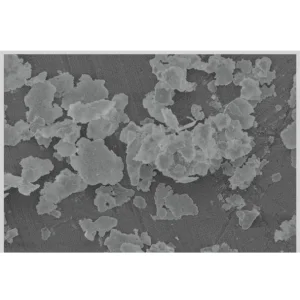
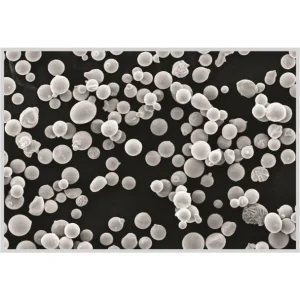
| Primary Morphology | Highly symmetric spheres, smooth surface | Flat, high-aspect-ratio platelets |
| Flowability (Hall Flow Meter) | Excellent (<25 s/50g) | Poor (non-free flowing) |
| Tap Density | 1.5 – 1.8 g/cm³ | 0.3 – 0.8 g/cm³ |
| Key Applications | Metallurgical pasting, SLM 3D printing, chemical catalysts | Autoclaved Aerated Concrete, anti-corrosion paint, pyrotechnics |
To fully optimize procurement decisions, engineers must match the material grade to regional manufacturing and local compliance environments. Here is how YANXA’s bulk aluminum powder behaves inside crucial local industries:
In high-throughput solar cell manufacturing lines (particularly PERC and TOPCon cell structures), bulk spherical aluminum powder is combined with glass frits and solvents to formulate the aluminum back paste (Al-paste). The localized paste formulation demands strict D50 particle sizes (typically 3 to 8 microns) to ensure zero warping of the silicon wafer while establishing a solid Back Surface Field (BSF).
For regional construction markets utilizing concrete blocks, flake aluminum powder acts as the gas-forming agent. When blended into the wet alkaline slurry, the metallic aluminum reacts with calcium hydroxide, releasing hydrogen gas:
2Al + 3Ca(OH)₂ + 6H₂O → 3CaO·Al₂O₃·6H₂O + 3H₂↑
This reaction produces millions of microscopic air bubbles, reducing weight and boosting insulation properties.
Advanced metal AM processes like Selective Laser Melting (SLM) and Direct Metal Laser Sintering (DMLS) require high-purity AlSi10Mg or spherical aluminum-based alloy powders. The particle distribution must fall precisely within 15–45μm or 20–63μm. This ensures reliable recoater spreading and limits internal porosity during laser fusion.
Established in 2008 as a focused specialty materials unit, Yanxatech System Industries Limited (YANXA) has grown into an international supplier of chemical and mechanical raw materials in China. Driven by a commitment to reliability and customer satisfaction, our team has built strategic partnerships with research institutes and chemical manufacturers.
Our core capabilities focus on supplying high-demand specialty chemicals, categorized into three principal lines:
Our business philosophy prioritizes quality, safety, and efficiency above all else. Because chemical logistics demand specialized protocols, we focus on safe transport and environmental protection across our global supply chains.
Purchasing aluminum powder in bulk from China provides buyers with distinct cost and logistical benefits. By working directly with YANXA, our clients access a resilient supply chain built on robust raw material infrastructure and modern processing technology.
Our operations are connected to premier bauxite mining and primary aluminum smelting hubs in China. This raw material security protects our pricing from sudden global market shifts and guarantees a steady supply of high-grade ingot feed for our atomizers.
Operating out of ISO 9001:2008 certified facilities, we maintain strict quality control throughout our manufacturing line. Every batch undergoes particle size analysis (via Malvern laser diffraction), carbon-sulfur analysis, and ICP-OES trace metal checking. This process ensures our clients receive consistent materials that meet their dynamic application needs.
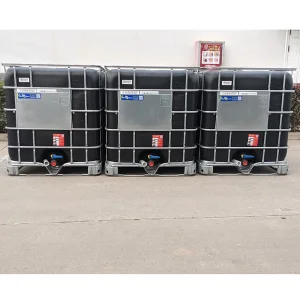
Fine aluminum powder is classed as a hazardous material (UN 1396, Class 4.3 - dangerous when wet, or UN 1309, Class 4.1 - flammable solid). YANXA is experienced in managing these international compliance needs. We use specialized UN-certified steel drums with moisture-resistant inner liners, and handle all shipping documents (such as MSDS, transport safety declarations, and customs documentation) to ensure safe, on-time delivery.
Our materials scientists assist you in choosing the correct particle size distribution, morphology, and alloy chemistry for your application.
Fully compliant with REACH, RoHS, and local environmental standards. We supply full SDS and CoA sheets with every batch.
From 25kg UN-approved metal drums to 1-ton bulk bags, customized with nitrogen purging to prevent moisture entry.
Detailed physical properties and chemical formulations for industrial applications
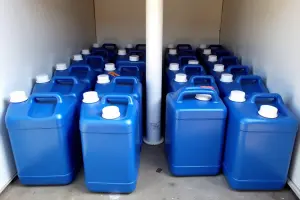
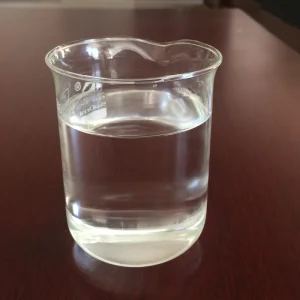
Formaldehyde is a colorless, reactive chemical intermediate that is highly soluble in water, alcohol, and ether. It is prone to oxidation in air, forming formic acid, and operates as a strong reducing agent. Typically supplied as formalin, a 37-50% solution, it contains a small amount of methanol to inhibit polymerization and maintain solution stability.
Physical Constants: Boiling point is -19°C (gas) / 96°C (solution); Freezing point is -118°C; Relative density (air = 1) is 1.067; Flash point is 55°C.
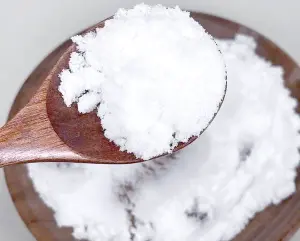
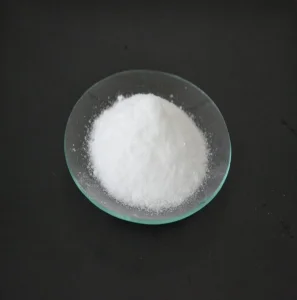
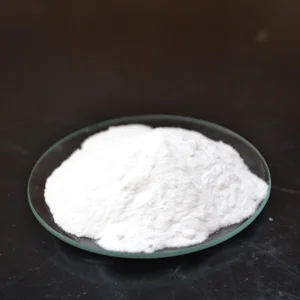
Hexamine is a white crystalline powder synthesized via the condensation reaction of formaldehyde and ammonia. It is a highly versatile intermediate widely used in resin curing, rubber compounding, and analytical chemistry applications.
Key Identification: CAS No.: 100-97-0 | Molecular Formula: C₆H₁₂N₄ | Molecular Weight: 140.19 g/mol
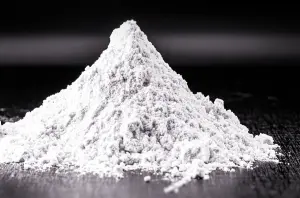
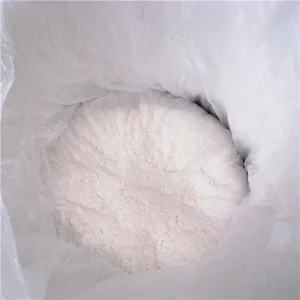
Paraformaldehyde is a white crystalline solid with the characteristic odor of monomeric formaldehyde. As a linear polymer of formaldehyde, it does not display a sharp melting point. It is widely used as a synthesizer for phenolic, melamine, and urea resins.
| Item Specification | Premium Grade | Standard Grade |
|---|---|---|
| Active Content | ≥ 96.0% | ≥ 92.0% |
| Solubility Time | ≤ 40 minutes | ≤ 40 minutes |
| Formic Acid | ≤ 0.05% | ≤ 0.05% |
| pH Value | 5.0 - 7.0 | 5.0 - 7.0 |
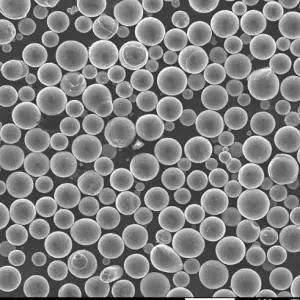
This alloyed powder is produced by atomizing a precise melt blend of magnesium and aluminum. The resulting spherical particles display excellent flow properties, high combustion efficiency, and consistent packing density. This material is widely used in pyrotechnics, chemical reactions, and specialized metallurgical applications.
The manufacturing and processing of metal powders are adapting to meet new regulatory frameworks, demands for reduced carbon emissions, and high-precision applications. YANXA is actively developing new technologies to address these trends:
Our engineering team is refining closed-loop atomization methods to manufacture sub-micron spherical powders (D50 < 1μm). These fine powders act as advanced additives in high-density rocket propellants and micro-electronic printing inks.
By transitioning our primary atomization systems to run on renewable energy and upgrading gas recycling loops, we aim to reduce the carbon footprint of our aluminum powder production. We are also optimizing dry milling methods to eliminate volatile organic solvents in flake powder manufacturing.
We are expanding our alloy powder capabilities to manufacture custom metal combinations (Al-Mg, Al-Si, Zn-Al, and customized copper-based alloys) designed for high-strength aerospace components and specialized automotive parts.
Technical, commercial, and logistical queries answered by our export division
Technical Materials and Chemical Intermediates
 Yanxatech