 Yanxatech
1. Executive Summary & YANXA Corporate Core
Established in 2008 as a visionary business unit in the fields of chemical and mechanical industries, Yanxatech System Industries Limited (YANXA) has grown steadily and vigorously into a premier global supplier of specialty chemicals. We bridge the gap between advanced Chinese chemical manufacturing and international enterprise buyers seeking high-performance materials. Specializing in liquid rubber, metal powders, nitrates, and specialty gases, YANXA provides the critical raw materials required for next-generation aerospace, automotive, electronics, and heavy industrial applications.
2. What is Liquid Urethane Rubber? Core Chemistry & Specifications
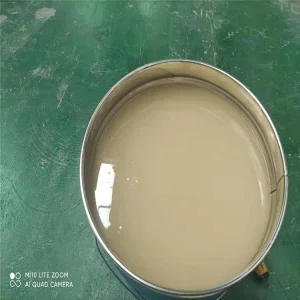
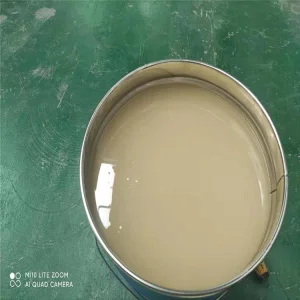
Liquid polyurethane rubber (frequently called liquid urethane rubber) is a versatile elastomeric polymer composed of two-part systems: a prepolymer (Part A) typically terminated with isocyanates (MDI or TDI), and a curing agent (Part B), which contains polyols or polyamines. Upon blending, these components undergo a polyaddition reaction, creating cross-linked networks without emitting volatile organic compounds (VOCs).
The physical properties of the cured material—such as tensile strength, tear resistance, chemical compatibility, and Shore hardness (ranging from very soft Shore 10A to rigid Shore 90D)—are precisely engineered by adjusting the molecular weight of the polyether or polyester backbone, the isocyanate configuration, and the cross-linking density.
Key Features of Premium Liquid Rubber Systems:
Extreme Wear Resistance
Superior abrasion resistance compared to standard vulcanized rubbers or thermoplastics, ideal for slurry pumps, industrial chute liners, and high-impact structural components.
Adjustable Hardness
Formulations can be customized from flexible, stretchable gel-like molds (10A Shore) up to rock-hard structural patterns (90D Shore) without brittleness.
Cost-Efficient Tooling
Eliminates the requirement for expensive metallic dies. Liquid urethane rubber can be cast directly over 3D-printed patterns or plaster forms under room-temperature conditions.
3. Liquid Rubber Comparative Technical Matrix
Choosing the right liquid elastomer depends on environmental exposure, mechanical demands, and processing parameters. The table below outlines how Liquid Urethane Rubber compares to other specialty elastomers offered by YANXA, such as Liquid Styrene Butadiene Rubber (LSBR), Hydroxyl Terminated Butadiene Rubber (HTBN), and Epoxidized Polybutadiene (EPB).
| Elastomer Class | Chemical Backbone | Primary Applications | Key Strength / Property | Curing Protocol |
|---|---|---|---|---|
| Liquid Urethane Rubber | Polyether / Polyester Isocyanate | Tooling, concrete molds, wear-resistant linings | Exceptional abrasion resistance, adjustable hardness | Room-Temp or Low-Heat Cure |
| HTBN Liquid Rubber | Hydroxyl Terminated Butyronitrile | Adhesives, epoxy modification, rocket propellants | High oil resistance, cryogenic flexibility | Medium-Heat Cure |
| EPB Liquid Rubber | Epoxidized Polybutadiene | Electrical encapsulation, coatings, resin modifier | Excellent dielectric properties, chemical resistance | UV / Epoxy-Co-curing |
| LSBR Rubber | Liquid Styrene Butadiene | Tire compounding, asphalt modifiers | Excellent dynamic properties, processing aid | Sulfur / Peroxide Cured |
4. Industry Trends: Liquid Urethane Rubber & Specialty Materials
The global liquid urethane rubber market is undergoing significant transformations driven by advanced engineering and sustainable sourcing practices. As a key supplier, YANXA observes three main macro trends shaping customer procurement strategies:
- Demand for Bio-based Polyols: Global manufacturers are increasingly requesting liquid rubber systems derived from renewable plant sources (e.g., castor oil polyols) to reduce carbon footprints without compromising physical properties.
- Automated Dispensing Compatibility: Viscosity profiles are being engineered specifically for automatic meter-mix-dispense equipment, reducing air entrapment and cycle times in large-scale production lines.
- Synergy with Additive Manufacturing: Instead of displacing casting, 3D printing has accelerated the usage of liquid urethanes. Manufacturers use FDM/SLA patterns to cast highly detailed elastomeric functional components using polyurethane casting resins.
5. Global Procurement Dynamics & Purchasing Pain Points
Procuring specialty chemicals globally introduces several points of friction for buyers. YANXA addresses these challenges through operational transparency:
- Pricelist Fluctuations: Chemical raw materials (specifically MDI, TDI, and polyols) are highly sensitive to upstream petrochemical pricing. YANXA maintains strong manufacturer alliances to provide clients with stable, medium-term pricing lists valid for 90 to 180 days, insulating buyers from market volatility.
- Minimum Order Quantity (MOQ) Alignment: While mass manufacturing requires container-load shipping, YANXA works with developmental research facilities and specialty firms, establishing tiered MOQ models to support early-stage prototyping.
- Logistics for Hazardous/Sensitive Materials: Liquid rubber pre-polymers are moisture-sensitive, and certain catalysts fall under transport restrictions. YANXA uses moisture-barrier steel containers flushed with dry nitrogen to guarantee shelf stability of up to 12 months from delivery.
6. Core Specialty Chemicals Portfolio & Technical Profiles
To support comprehensive industrial clients, YANXA supplies an array of core chemicals and alloy powders. Here is the technical breakdown of our main product lines:
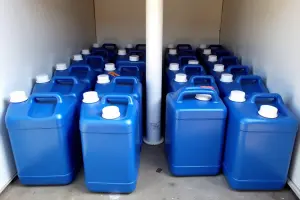
Formaldehyde Solution
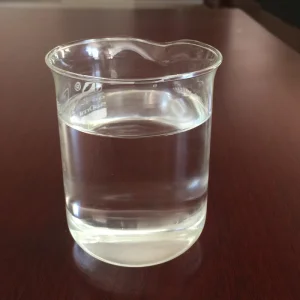
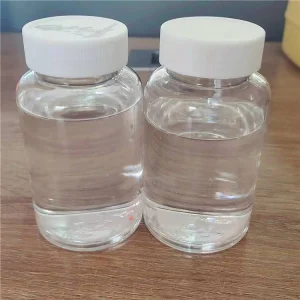
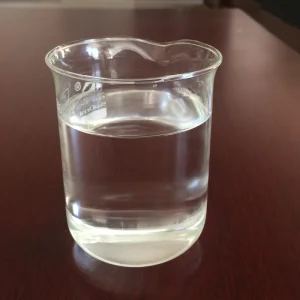
Colorless, pungent liquid. Standardly supplied as 37%-50% formalin, stabilized with methanol to prevent polymerization. Relative density is 0.815 at -20°C. Flash point is 55°C.
View Technical Data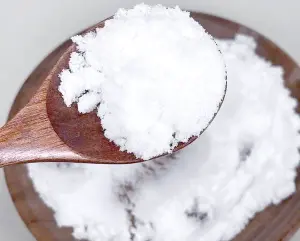
Hexamine (HMTA)
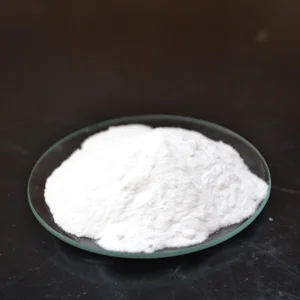
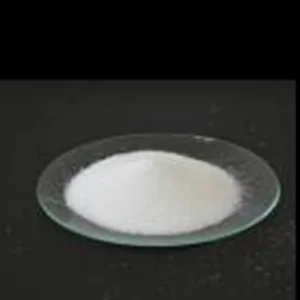
White crystalline powder (CAS No: 100-97-0) formed by the reaction of formaldehyde and ammonia. Crucial for thermosetting resins, rubber curing, and explosive formulations.
View Technical Data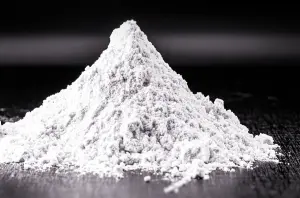
Paraformaldehyde Powder 96%
High-concentration solid polymer form of formaldehyde (92-96%). Ideal for synthesizing resins and adhesives where minimizing water presence is critical. Dissolves within 40 minutes.
View Technical Data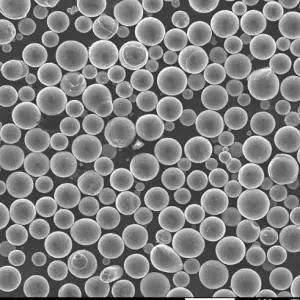
Al-Mg Alloy Powder
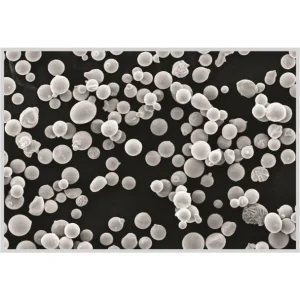
Atomized spherical alloy powder engineered for powder metallurgy, energetic additives, and advanced refractory manufacturing. Highly spherical with uniform particle distribution.
View Technical Data7. Quality Control, Safety and Compliance
Safety and precision are integrated into YANXA’s operating procedures. Chemical products carry risk profiles that require strict adherence to handling protocols:
- ISO 9001:2008 Certification: Our manufacturing processes adhere to stringent international standards, verifying batch-to-batch consistency and traceabilities.
- Comprehensive Documentation: YANXA provides detailed Certificates of Analysis (COA), Safety Data Sheets (SDS) in accordance with GHS regulations, and Certificates of Origin for customs clearance.
- Expert Export Packaging: Hazardous materials are enclosed in certified packaging approved for land, air, and marine transport. Temperature-controlled vessels are utilized when maintaining product stability is necessary.
8. Technology Roadmap & Future Outlook
To address the demands of advanced manufacturing, YANXA's technical team focuses on several key areas:
- Next-Generation Catalysis: Development of organo-bismuth and organo-zinc catalyst systems to replace legacy tin compounds, aligning with REACH guidelines.
- Extended Shelf-Life Formulations: Engineering moisture scavengers directly into polyol mixtures to prevent early degradation and storage issues for end users.
- Recycling and Circularity: Developing chemical recycling methods for cured polyurethanes to convert waste products back into usable polyols.